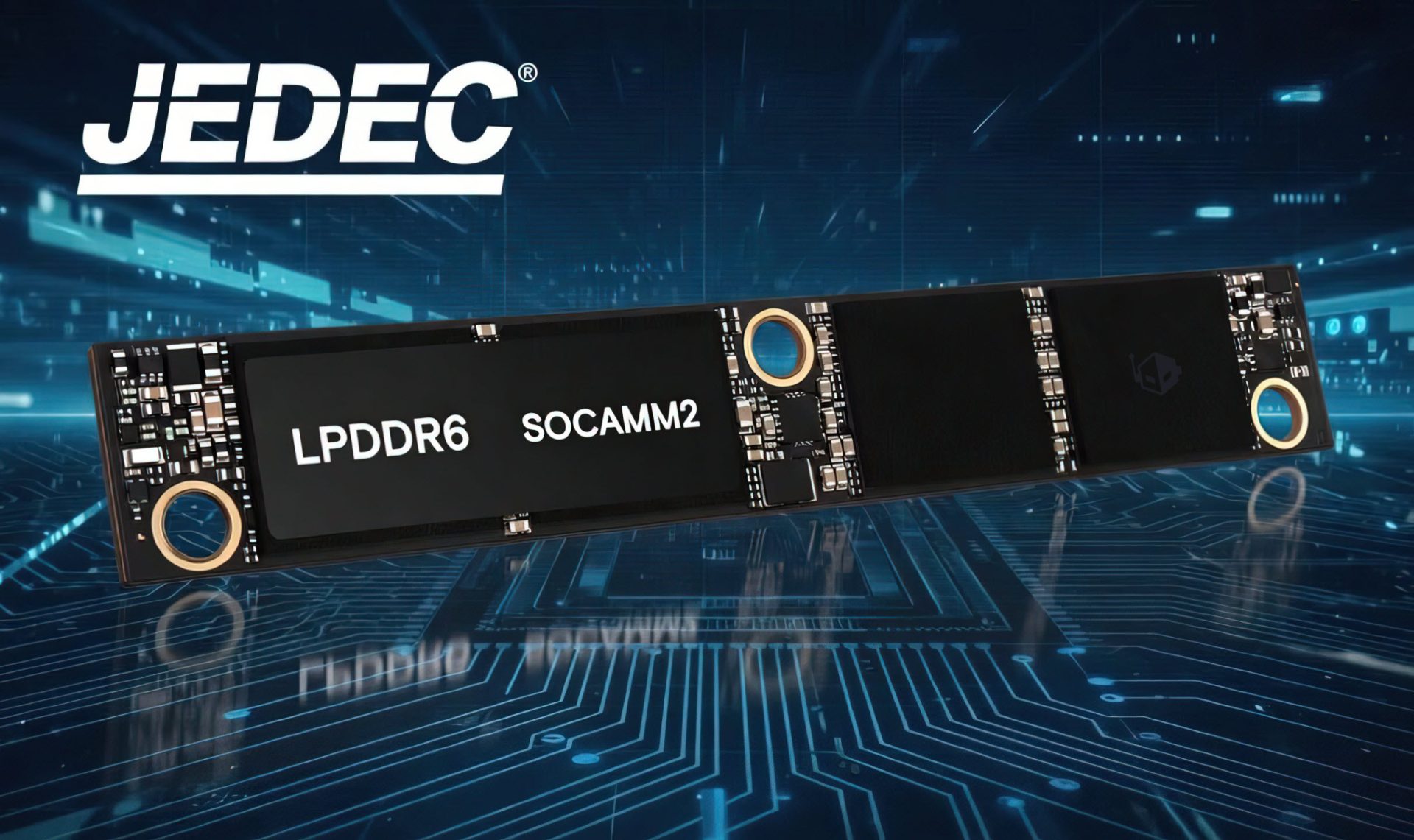
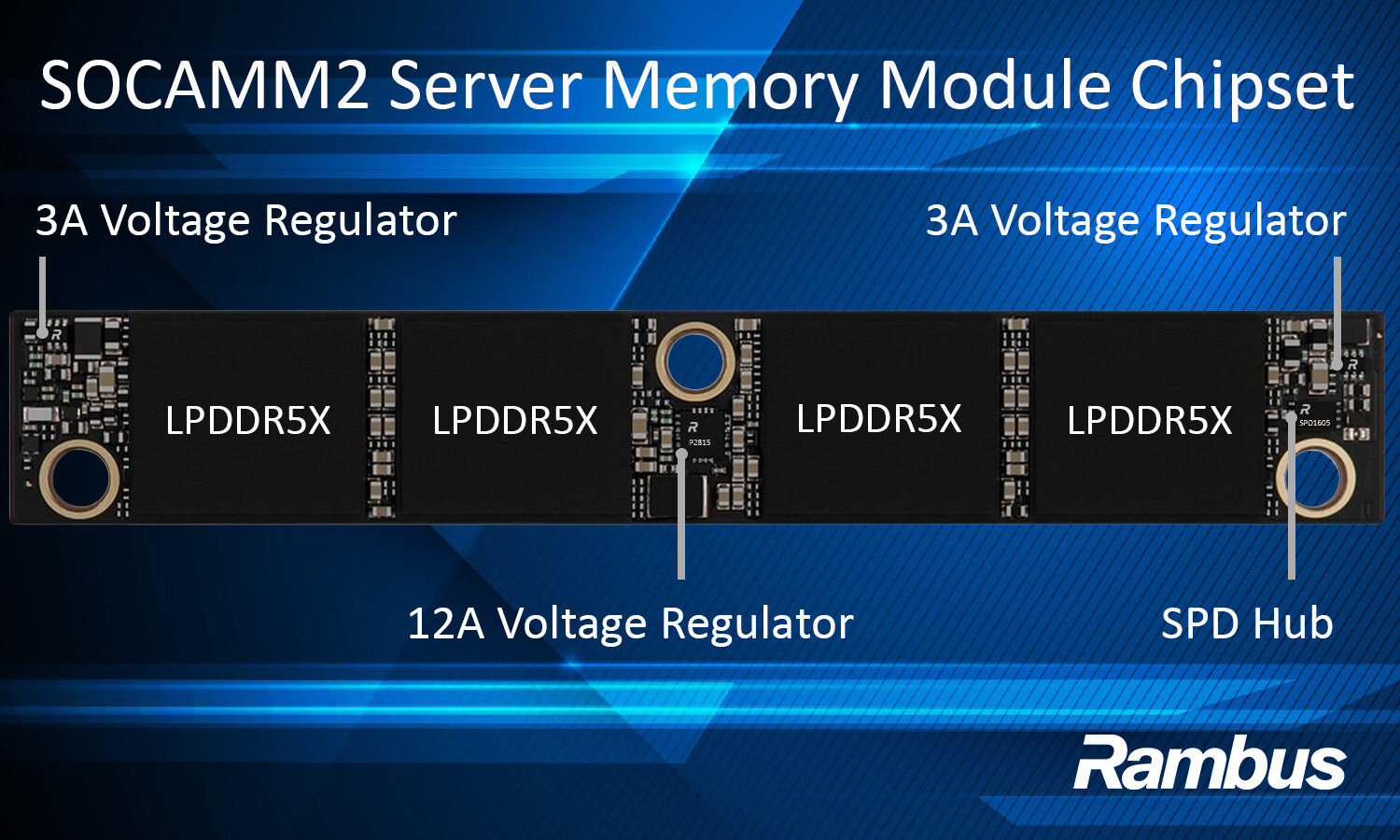
The Rambus SOCAMM2 memory interface has emerged as a critical yet understated component in next-generation AI server design. Its adoption could redefine how data moves between CPUs and memory, but the full implications for thermal management and energy consumption are still unfolding.
Performance and Power: A Delicate Balance
SOCAMM2 is designed to address a fundamental bottleneck in AI workloads: the gap between CPU processing speed and memory bandwidth. Traditional interfaces struggle to keep pace with the demands of large-scale machine learning, forcing system designers to prioritize raw throughput over efficiency. SOCAMM2 aims to close this divide by optimizing both latency and power consumption.
The interface supports up to 512 GB/s of memory bandwidth per channel, a significant leap from previous generations. This matters because AI models increasingly rely on high-bandwidth memory (HBM) stacks, which generate substantial heat under load. SOCAMM2’s ability to manage thermal output more effectively could extend the lifespan of data centers without requiring aggressive cooling solutions.
Compatibility Risks and Market Dynamics
The transition to SOCAMM2 is not without challenges. AI server manufacturers face a compatibility risk if they commit too early to one standard over another, such as HBM or CXL. The market dynamics are shifting rapidly, with cloud providers and hardware vendors eyeing SOCAMM2 for its potential to reduce latency while maintaining energy efficiency.
Rambus claims the interface can deliver up to 30% lower power consumption compared to traditional DDR5 memory in AI workloads. If validated, this would represent a meaningful improvement, but real-world benchmarks are still sparse. The question remains: will SOCAMM2 become the default choice for AI infrastructure, or will it remain a niche option alongside established standards?
Future Outlook
For power users and data center operators, the stakes are clear. A standard that balances performance and thermals could reshape how AI systems are built, but only if it gains widespread adoption without sacrificing compatibility. The coming years will be crucial in determining whether SOCAMM2 can live up to its potential or get overshadowed by competing technologies.