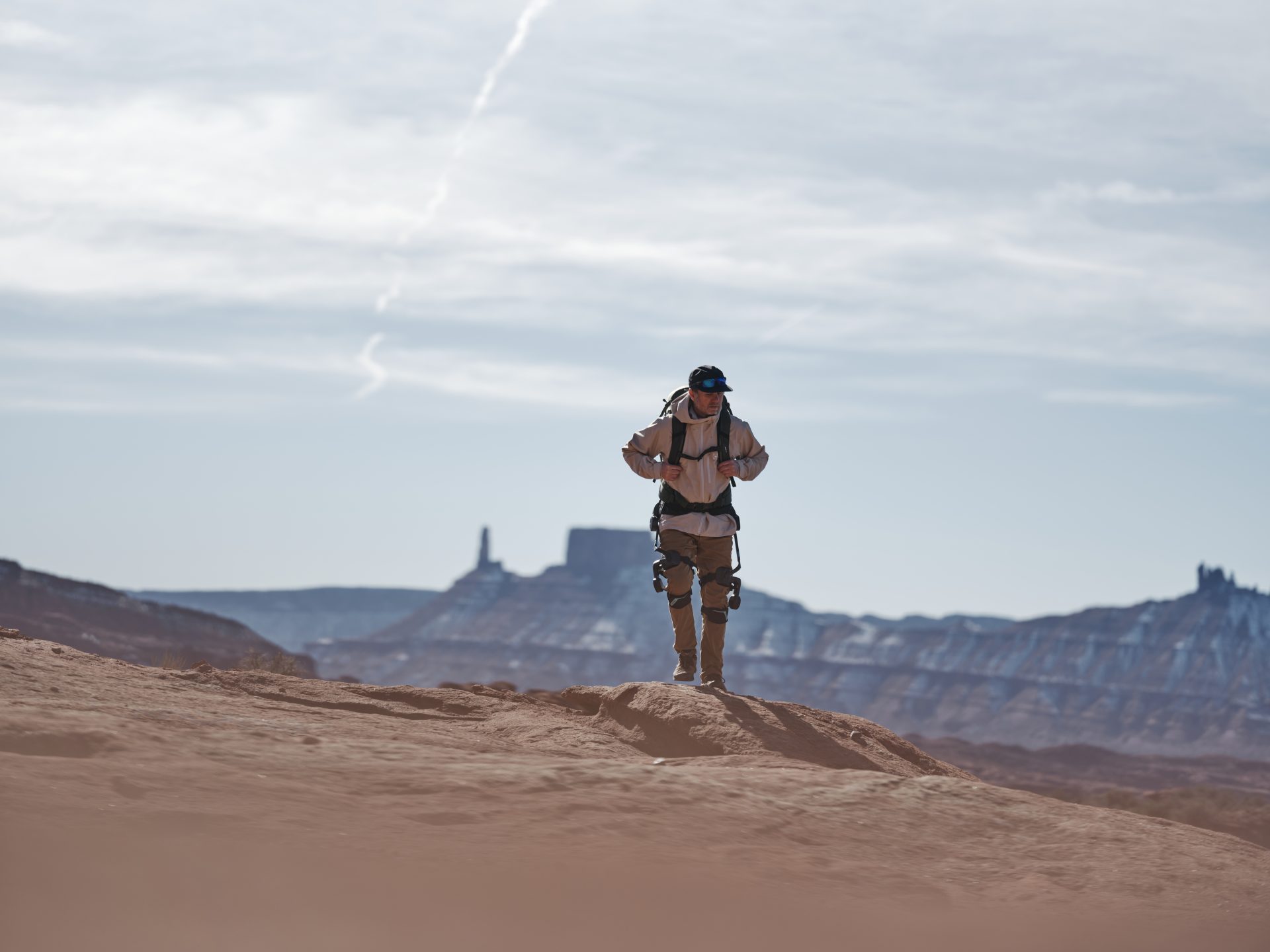
The Vastnaut One is not just another piece of gear for adventurers—it’s a 4x4 exoskeleton that promises to carry users across rugged landscapes with the stability and power of a vehicle. Unlike traditional exoskeletons, which are often confined to controlled environments or medical applications, this one is built for dirt, rocks, and uneven terrain. The kickstarter campaign signals a shift in how we think about personal mobility: no longer limited to two legs or four wheels, but something in between.
At its core, the Vastnaut One uses AI to adjust its movement in real time, mimicking the way a vehicle would navigate obstacles. It’s not just about strength; it’s about intelligence—sensing terrain, balancing weight, and adapting on the fly. The result is a device that could make long hikes or off-road expeditions less physically demanding, but also more efficient.
Why This Matters
The real innovation here isn’t just in the hardware. It’s in the tradeoffs. An exoskeleton designed for extreme terrain requires significant power, which typically means heavier components and shorter battery life. The Vastnaut One addresses this with a focus on modularity: users can swap out batteries or adjust the frame based on their needs. But whether that balance holds up under prolonged use remains to be seen.
For developers, the bigger question is how this technology could integrate into existing ecosystems. Most off-road gear is built for human strength and endurance, not augmented by AI-driven mechanics. The Vastnaut One could open doors for new types of software—navigation systems that account for terrain in real time, or even collaborative tools where multiple exoskeletons work together on a task.
Key Details
- A 4x4 exoskeleton frame with AI-driven movement adaptation.
- Modular battery and weight distribution for extended use.
- Designed for extreme terrain, including dirt, rocks, and uneven surfaces.
- Kickstarter campaign indicates a focus on early adopters and developers.
The challenge will be proving that this isn’t just a novelty. Off-road mobility has strict requirements—durability, weight, and battery life are non-negotiable in real-world conditions. If the Vastnaut One can deliver on those fronts without sacrificing agility, it could become a standard tool for adventurers, search-and-rescue teams, or even industrial workers.
For now, the campaign is a test of market interest. Will users prioritize the convenience of AI-assisted mobility over traditional gear? And how will developers approach integrating this kind of technology into their own projects? The answers will determine whether the Vastnaut One is just another Kickstarter experiment or the start of a new chapter in outdoor tech.