For those who’ve been waiting to step into Death Stranding 2 on PC, the official system requirements reveal a thoughtful balance between accessibility and performance. The game’s developer, Nixxes, has structured the specs to accommodate everything from mid-range setups to high-end configurations, ensuring no one is left behind—even those clinging to older hardware.
The requirements start modestly but climb steeply, reflecting the game’s demands while offering flexibility through presets and upscaling technologies. At the lowest end, a GeForce RTX 3060 or Radeon RX 5500 XT paired with a Core i3-10100 or Ryzen 3 3100 can handle 1080p at 30 fps with low graphics settings. However, the jump to 16GB RAM and 150GB SSD storage is non-negotiable—even for the most basic setup. This may seem steep for some, but it aligns with modern game expectations and ensures smoother performance.
The middle ground—1080p at 60 fps with medium settings—demands a more capable RTX 3060 (12GB) or RX 6600, alongside a Core i5-11400 or Ryzen 5 5600. This tier is likely where most players will land, offering a comfortable balance between visual fidelity and performance without requiring cutting-edge hardware.
For those aiming higher, the recommended preset pushes to 1440p at 60 fps with high settings, requiring at least an RTX 3070 or RX 6800 and a Core i7-11700 or Ryzen 7 5700X. The top-tier 4K at 60 fps preset is reserved for power users with an RTX 4080 or RX 9070 XT, though the latter remains unconfirmed for retail availability.

What sets Death Stranding 2 apart is its support for Nvidia DLSS 4, AMD FSR 4, and Intel XESS 2, alongside a proprietary upscaling technology called Pico. Developed by Guerrilla for the Decima engine, Pico dynamically enhances resolution and frame rates without sacrificing quality—a first for the PC version. It can be combined with frame generation for even smoother gameplay, making it a lifeline for mid-range GPUs struggling to hit native resolutions.
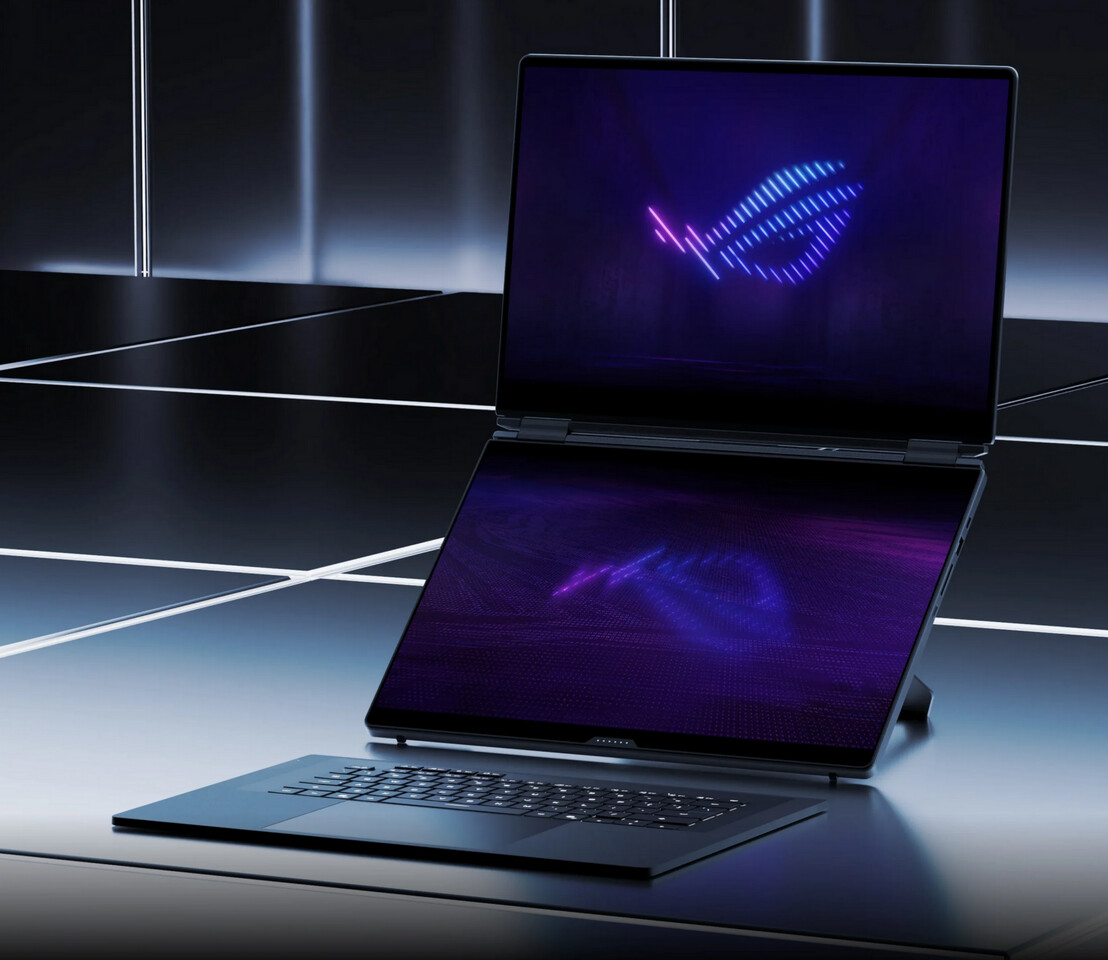
Ultrawide displays are fully supported, and even those stuck with 16:9 monitors can force a 21:9 aspect ratio, a feature that will later extend to the PS5 version. This attention to detail ensures the game adapts to any setup, whether it’s a desktop, laptop, or even a handheld device.
One of the most exciting additions is the portable preset, designed for gaming on the go. While Death Stranding 2 isn’t yet verified for the Steam Deck, its inclusion suggests strong compatibility—good news for players who want to experience the game beyond their desks.
The launch on March 19 brings with it a rare opportunity: a game that respects both budget-conscious gamers and high-end enthusiasts. For those with older systems, upgrading to 16GB RAM and a dedicated GPU (even a used RTX 3060 or RX 5500 XT) could make the difference between struggling and enjoying a smooth experience. Meanwhile, upscaling technologies like Pico and DLSS 4 mean even mid-tier hardware can deliver near-native performance.
Takeaway: If your PC is stuck in the past, Death Stranding 2 offers enough flexibility to either upgrade strategically or rely on upscaling to stretch your hardware further. The portable preset adds another layer of appeal for mobile gamers, making it one of the most inclusive releases of the year.