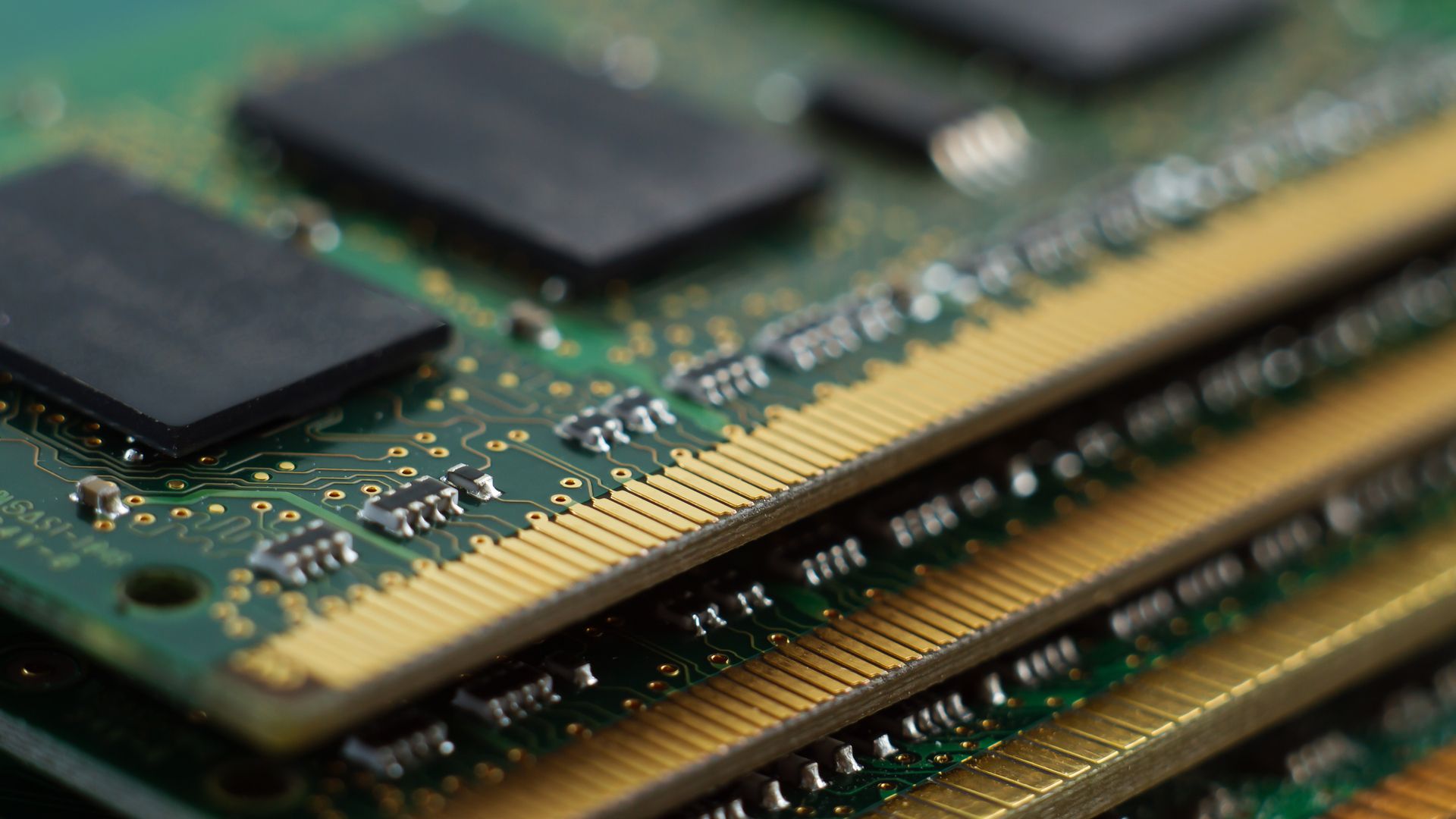
DDR5 RAM prices are showing signs of stabilization after months of volatility, according to industry data. The drop in prices—particularly for 16GB modules—could ease some of the pressure on developers and system integrators who have faced tight supply and rising costs.
The trend is part of a broader market correction that has seen DDR5 pricing adjust downward across major regions, including the US, China, and Europe. While the decline is modest, it marks a shift from the steep increases seen earlier in the year. Analysts suggest that if current trajectories hold, 16GB modules could see more normalized pricing by the end of 2026.
Why the Change Matters
The stabilization comes at a crucial moment for the industry. DDR5 has become a standard in high-performance computing, with demand driven by AI workloads, gaming rigs, and professional workstations. However, supply chain bottlenecks have kept prices elevated, making it a costly component for many projects. The recent pullback offers some relief but also raises questions about whether this is a sustainable trend or just a temporary lull.
Key Considerations
- Supply constraints remain the biggest hurdle—no significant uptick in module availability has been reported yet.
- Price normalization depends on consistent demand-supply balance, which is still uncertain.
- Developers should monitor lead times and stock levels closely, as fluctuations could return quickly.
The report does not indicate a sudden surge in DDR5 production, so while prices may stabilize, the underlying supply issues are unlikely to resolve overnight. For now, the drop provides a small window of opportunity for those planning builds or upgrades, but caution is still advised. The industry’s long-term outlook will depend on how quickly manufacturers can ramp up production without introducing new imbalances.