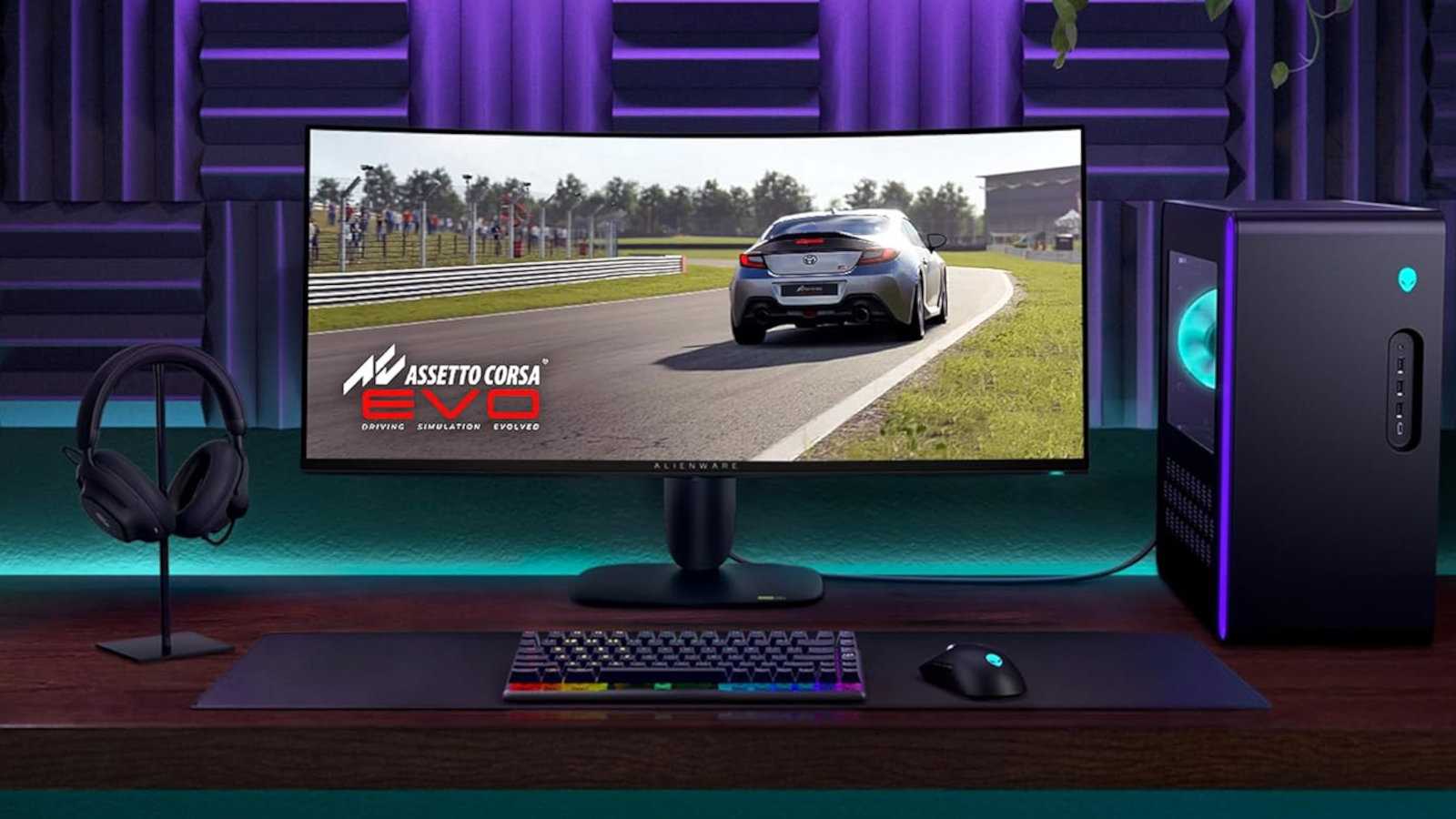
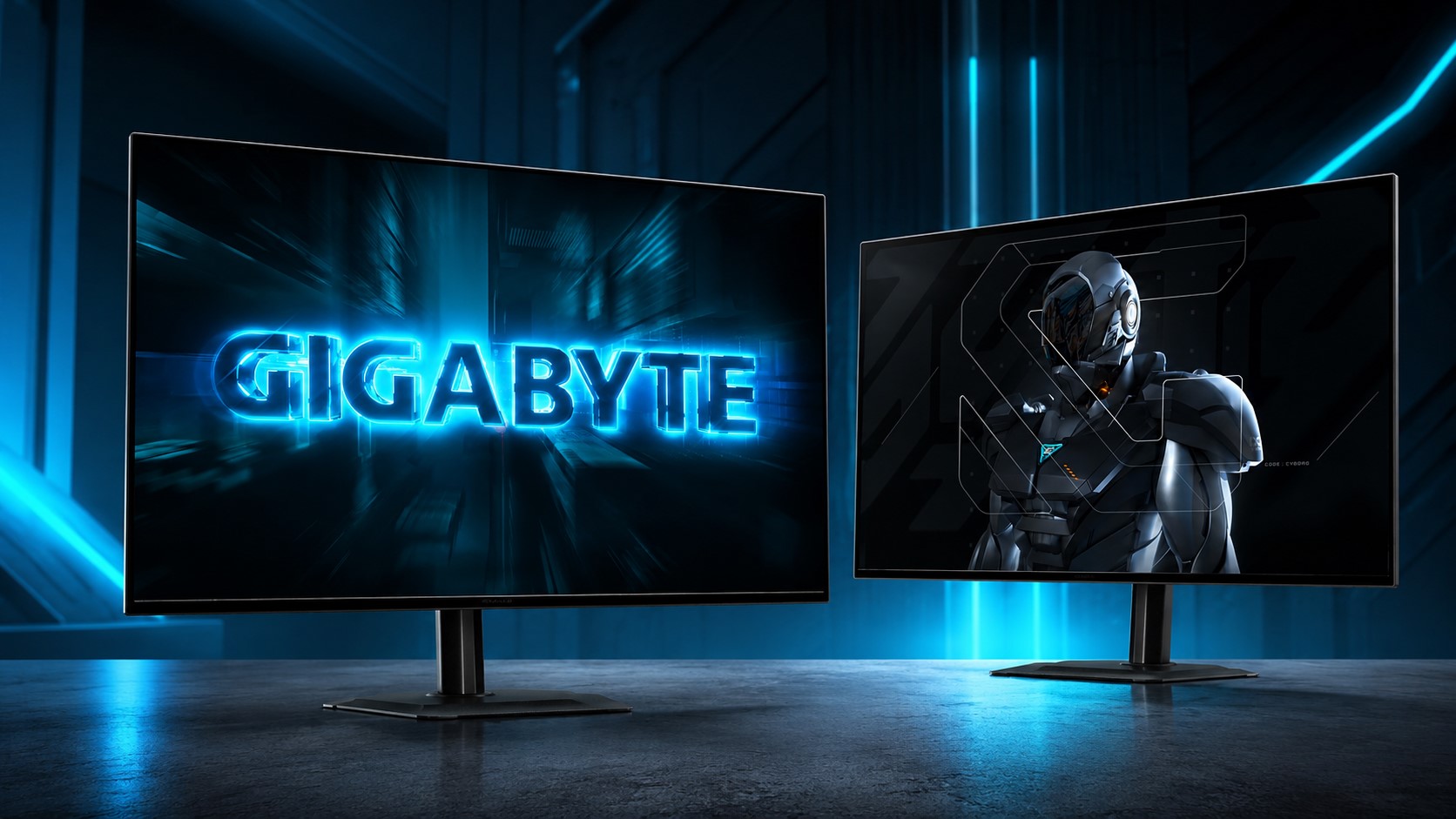
A 49-inch ultrawide monitor is now available for $513, a price that defies conventional wisdom about what consumers should pay for such a large display. Traditionally, monitors of this size have been reserved for high-end setups, but this new model suggests that premium features may no longer be the sole domain of expensive displays.
Ultrawide monitors have long been a favorite among professionals who need extra screen real estate for tasks like coding or video editing. The 21:9 aspect ratio is particularly well-suited for multitasking, offering a more natural viewing experience than traditional widescreen formats. This latest model delivers on that promise with a resolution of 3840 x 1600, providing sharp visuals without the extreme stretching sometimes seen in ultra-wides.
The price drop is significant, coming in at $513—a figure that undercuts the usual range for comparable displays, which typically hover around $600 to $800. While this monitor includes a 144Hz refresh rate, which is standard for mid-range ultrawides, it lacks some of the advanced features that have become more common at this price point, such as HDR or adaptive sync technologies.
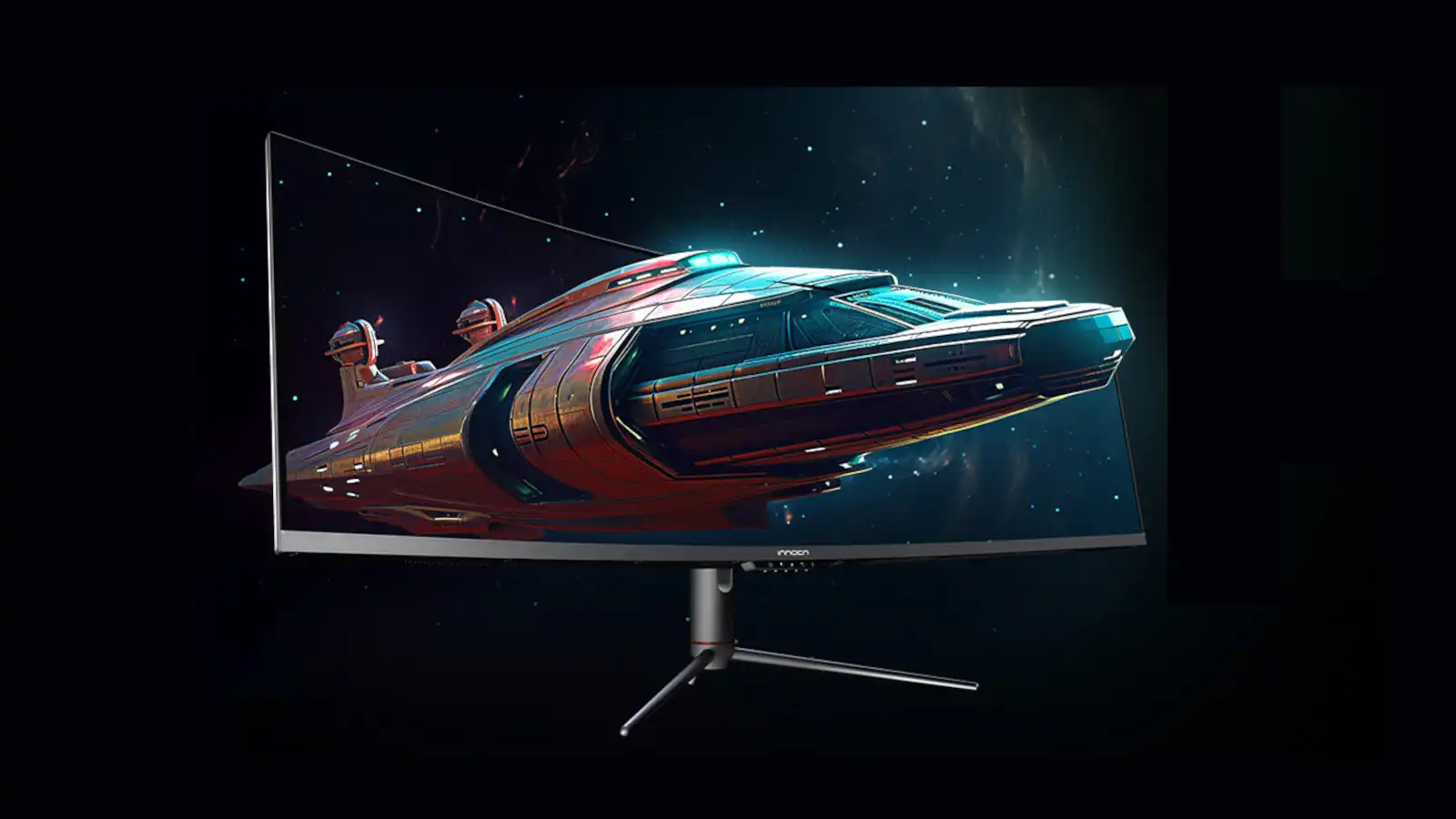
- 49-inch screen with 3840 x 1600 resolution
- 21:9 aspect ratio, ideal for productivity tasks
- $513 price tag, a record low for this size
The monitor's specifications strike a balance between cost and capability. It includes DisplayPort and HDMI inputs, which are standard in this category, but notably omits USB-C with video output. Buyers should also consider whether the 144Hz refresh rate and standard HDR (350 nits) meet their needs, as these may not satisfy users who prioritize cutting-edge visuals or extended use without eye strain.
The price drop raises broader questions about the sustainability of this new benchmark. If competitors follow suit, it could reshape market dynamics, pushing others to adjust pricing strategies or risk falling behind. For now, the monitor serves as a test case for whether cost savings can justify potential compromises in performance and future-proofing.
For those willing to overlook high-end features, this represents a rare opportunity to acquire a large ultrawide display at an attractive price. However, users who require HDR10, adaptive sync, or advanced connectivity should remain cautious. The ultrawide market is in flux, and this price may not be sustainable for long, making it a fleeting chance for early adopters to capitalize on the shift.