For years, the video game industry has treated launch dates like sacred deadlines, with studios scrambling to meet them even at the cost of polish. But Dean Hall, the mind behind DayZ* and CEO of RocketWerkz, is pushing back. His message is simple: delaying a game is better than shipping one that’s half-baked.
Hall’s stance comes at a time when crunch culture and rushed releases have left players frustrated—and developers caught in a cycle of unrealistic expectations. In a recent conversation with fans, he framed delays not as failures, but as a necessary step toward delivering the quality games deserve. Players want quality and certainty, he notes, but developers often fixate on launch dates to the detriment of the final product.
The financial stakes are undeniable. Games are expensive to develop, and delays can strain budgets. Yet Hall argues that the pressure to launch on time often leads to shortcuts—shortcuts that hurt both the game and the team. Failure to delay can create crunch culture, he warns, and that’s something the industry needs to rethink.
Why Delays Aren’t the Enemy
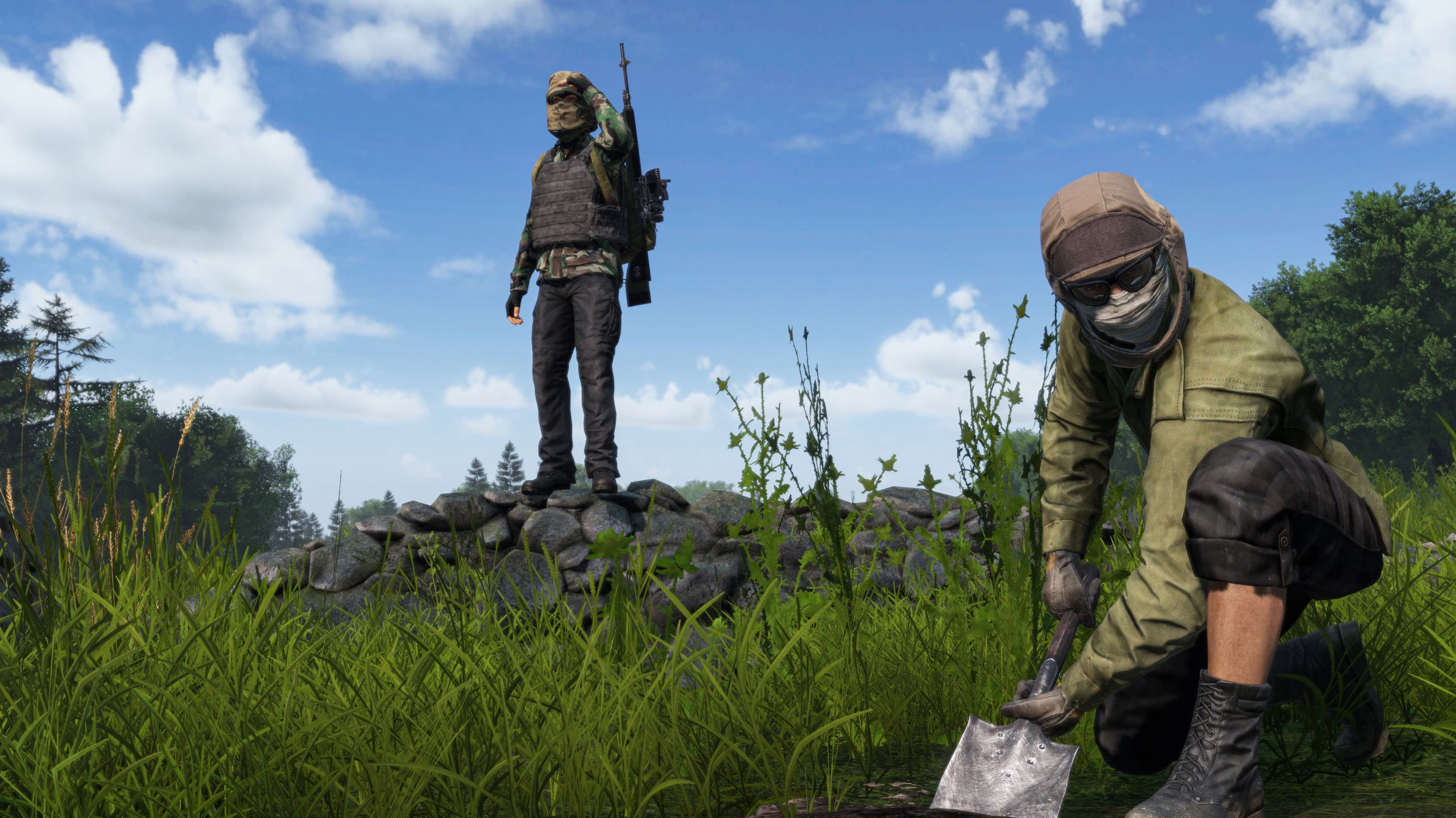
RocketWerkz’s own history reflects this philosophy. The studio’s Icarus expansion, Dangerous Horizons, has faced multiple delays since its original announcement. Hall acknowledges the frustration delays cause but insists they’re a sign of commitment. Most delays happen because developers are trying to hit quality, he explains, but without the resources to do so. His point? A rushed game risks backlash—like Icarus’ initial mixed reception—that could have been avoided with more time.
Hall’s advice to players is equally blunt: stop treating preorders as a guarantee of immediate release. He admits the contradiction—preorders fund development, but they also pressure studios to meet unrealistic timelines. Personally, don’t preorder, he jokes, but commercially, please do. The underlying message is clear: if players signal that delays are acceptable, publishers and platforms like Sony and Microsoft may start trusting developers to prioritize quality over hype.
The Bigger Picture
The call to normalize delays isn’t just about DayZ or Icarus*. It’s a challenge to an industry that has long equated delays with disappointment. Hall’s argument hinges on a simple truth: a delayed game is better than a bad one. The question remains whether players—and platforms—are ready to shift their mindset. For now, Hall is making his case one delay at a time.