Windows-based storage systems are undergoing a transformation, with data reduction technologies now offering substantial benefits for small to mid-sized enterprises without requiring major hardware upgrades. The focus has shifted from simply increasing capacity to optimizing how data is processed and stored, directly impacting operational costs and performance.
The core advantage lies in reducing total cost of ownership by compressing data at the source while maintaining near-native performance levels. This is particularly valuable for workloads that generate large datasets—such as video production, database management, or collaborative projects—where storage efficiency can lead to immediate hardware savings and faster data transfers.
Ecosystem integration
- Seamless Windows adoption: Native support across Windows 10/11 and Windows Server 2022 ensures deployment without additional software layers, covering desktops, laptops, and enterprise servers uniformly.
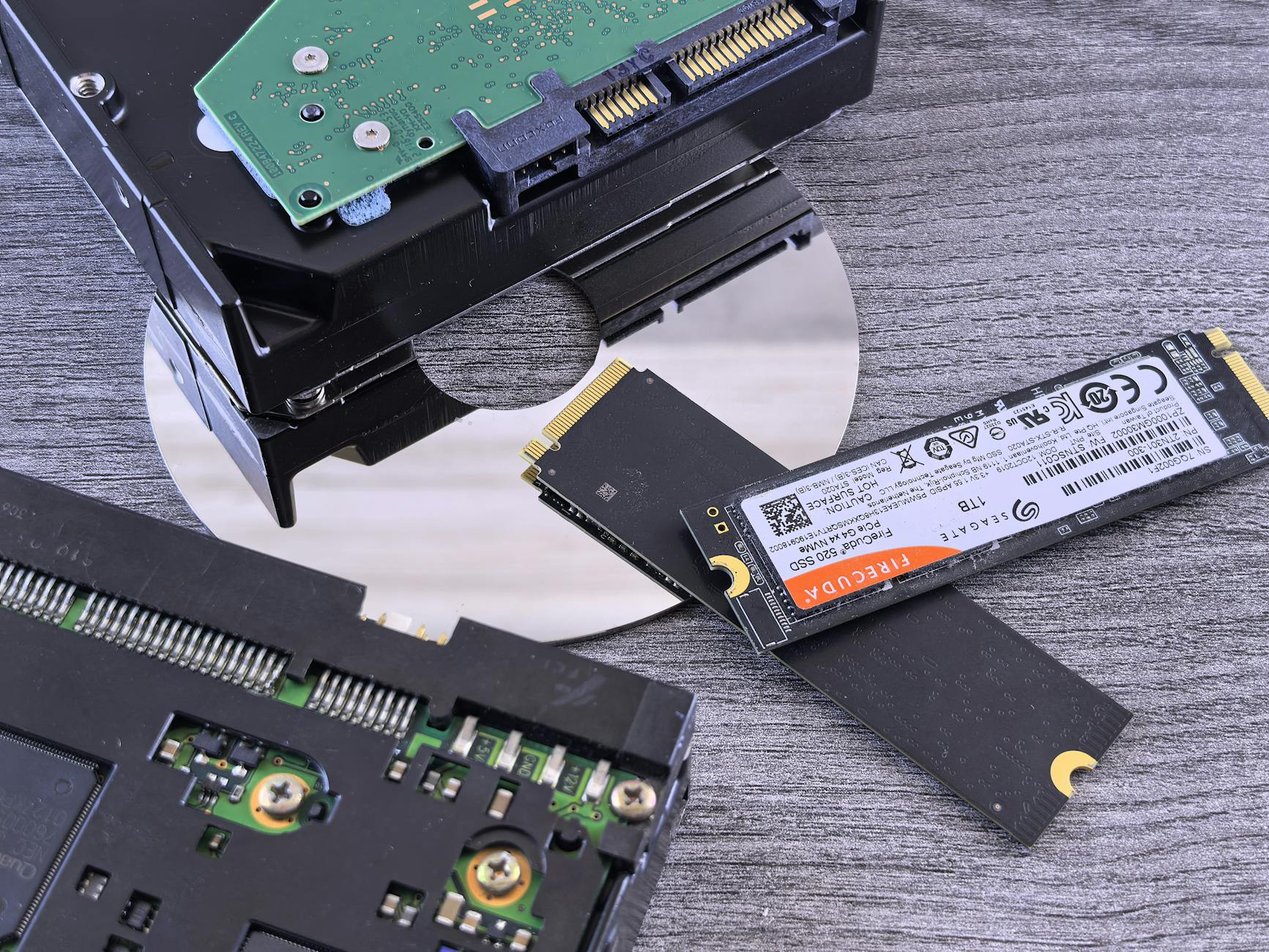
- Broad hardware compatibility: The technology works with modern SSDs (NVMe and SATA) as well as HDDs, with no restrictions on drive generations. While performance on legacy hardware may vary slightly, efficiency gains remain consistent across all supported devices.
A real-world example demonstrates the impact: a small video production team storing 4K footage can achieve up to 50% less storage consumption while experiencing minimal slowdowns during rendering. Similar benefits apply to SQL databases, where row-level compression reduces I/O load without compromising query performance.
Confirmed capabilities and lingering questions
- Proven efficiency: Unstructured data (e.g., media files, logs) achieves compression ratios of 1:3 or better. Structured data, such as databases, can reach ratios up to 1:5 with negligible overhead.
- Ongoing validation: The long-term durability of compressed data on high-endurance SSDs remains under investigation. While early benchmarks show no degradation, extended real-world testing is still required.
Despite these uncertainties, the financial benefits are clear: businesses adopting these solutions today can expect 20-30% lower storage costs over three years, assuming moderate data growth. However, not all workloads benefit equally—highly encrypted datasets or real-time analytics may see reduced efficiency gains.
The future of intelligent compression
Looking ahead, the next evolution will involve AI-driven compression algorithms that dynamically prioritize which files to compress based on access patterns. For small businesses, this means even more precise control over cost savings without needing specialized hardware or deep technical expertise.
Which teams stand to gain the most? Those with mixed workloads—balancing media storage, databases, and collaboration tools—will see the largest efficiency improvements. Businesses already constrained by capital expenditure will find the immediate cost reductions particularly compelling, while performance-sensitive operations benefit from both reduced storage requirements and faster processing speeds.