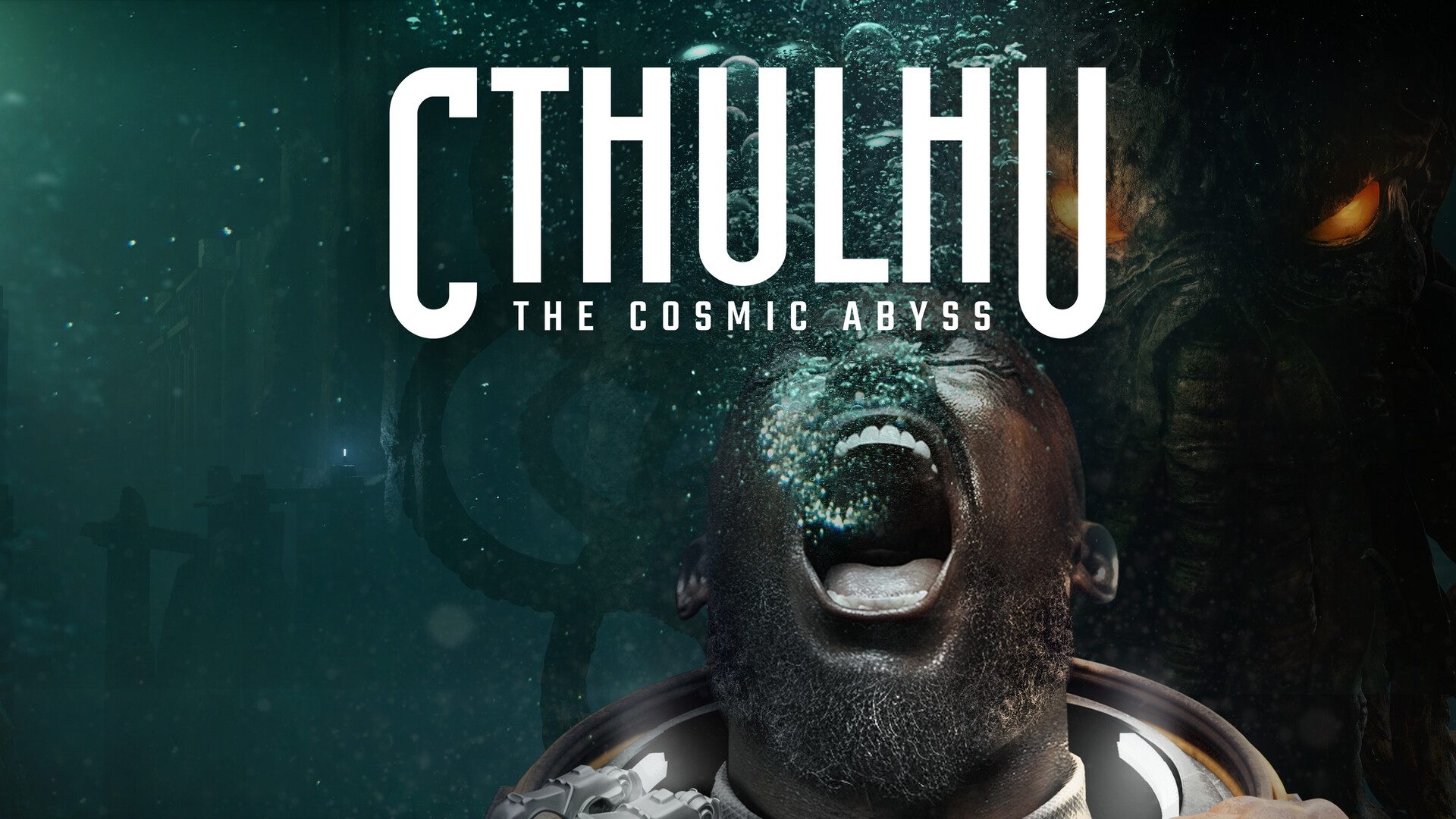
Cthulhu: The Cosmic Abyss is now available on PC and consoles, offering players an immersive, sanity-testing experience rooted in Lovecraftian mythology. Set in 2053, the game follows Noah, an occult investigator tasked with uncovering the disappearance of miners near a sunken city—R’lyeh—a structure so alien it defies human logic.
The game’s world is one of environmental collapse and corporate desperation, where natural disasters and resource depletion drive industrial giants to exploit the ocean floor. Noah’s journey is both physical and psychological, guided by KEY, an AI companion designed to preserve his lucidity as he confronts increasingly horrifying revelations.
R’lyeh itself is a marvel of cyclopean architecture, its design intended to disorient players while reinforcing the narrative’s themes of madness. The city’s influence grows stronger with each decision Noah makes, altering his corruption level and shaping the investigation’s outcome. This dual-layered approach—balancing environmental storytelling with psychological horror—sets Cthulhu: The Cosmic Abyss apart from traditional Lovecraftian adaptations.
Key mechanics include clue analysis, a multitasking sonar system, and an energy management system that forces players to weigh exploration against the risk of corruption. Artifacts discovered throughout the game can upgrade tools but are fragile, adding another layer of strategic depth. The soundtrack, composed by Nicolas Garcia with performances by cellist Tina Guo, amplifies the tension, acting as a pulsating backdrop to Noah’s descent into madness.
The game’s release marks a significant evolution in narrative-driven horror, blending investigative gameplay with Lovecraftian dread. While its ambition is clear, questions remain about how well it balances its layered mechanics without overwhelming players. For those drawn to psychological horror with deep environmental storytelling, Cthulhu: The Cosmic Abyss offers a fresh take on the genre—one that may test both patience and sanity.