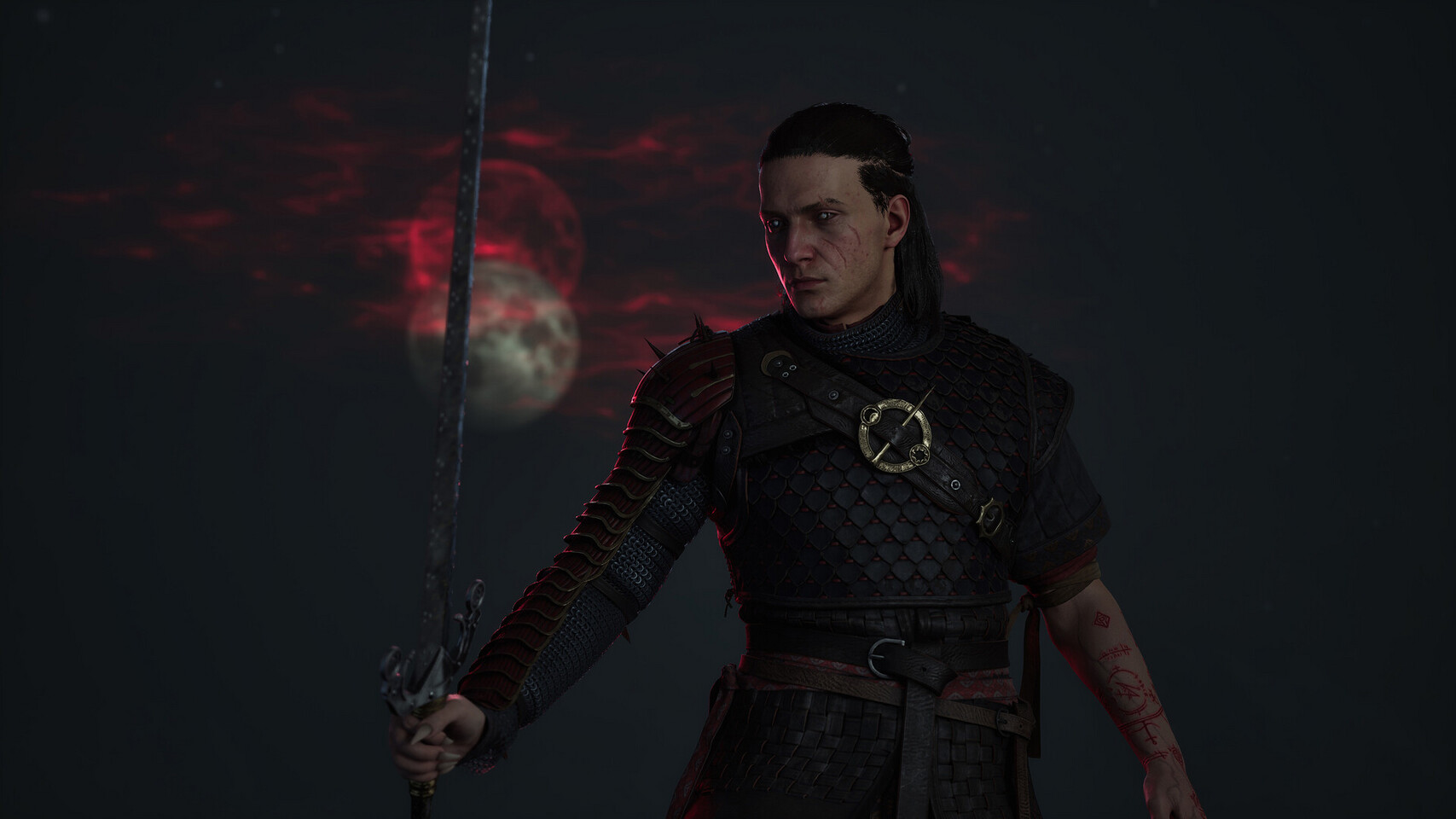
Crimson Desert has always stood out for its atmospheric depth, but the new RT and ReSTIR GI features take that a step further. Unlike traditional reflection techniques, these additions simulate how light bounces across environments—creating a more dynamic and lifelike experience.
The update is not just about visuals; it’s also about performance trade-offs. Users need to weigh whether the enhanced realism is worth the potential hit in frame rates, especially on mid-range hardware.
What’s New Under the Hood
The RT (ray tracing) and ReSTIR GI (reflection and global illumination) features bring three key improvements
- Ray-traced reflections: Reflections now react to light in real time, mirroring the way surfaces reflect light in the real world.
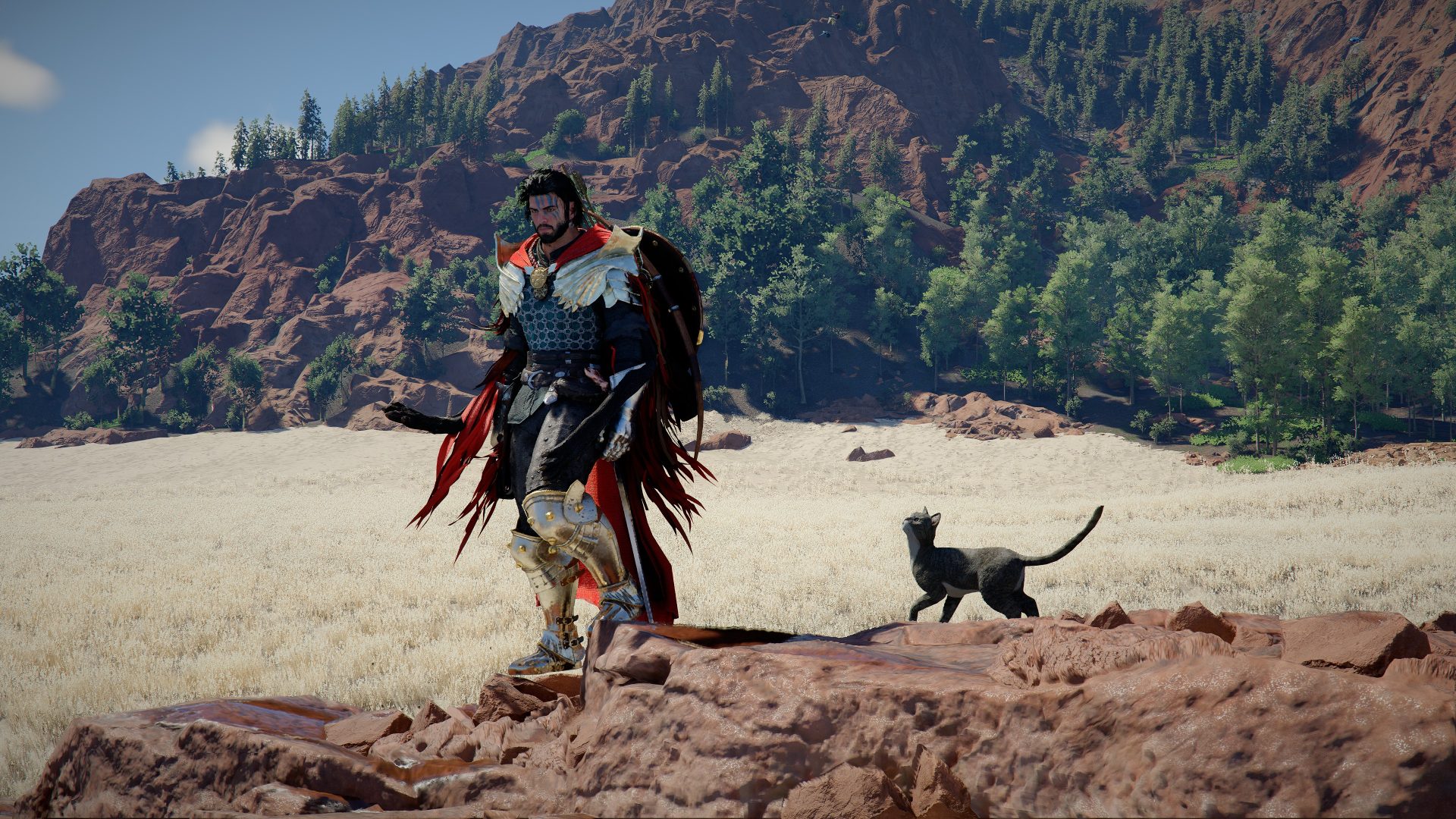
- Global illumination: Light scattering is more accurate, with indirect lighting affecting shadows and ambient glow.
- Volumetric lighting: Dust, smoke, or other particles now interact with light more naturally, adding depth to scenes.
These changes are not just cosmetic; they redefine how environments feel in a first-person shooter. However, the performance cost is significant—expect noticeable drops on systems without high-end GPUs.
Who Benefits and When
Power users with high-refresh-rate monitors or competitive setups may find these features distracting rather than beneficial. For casual players or those using lower-resolution displays, the visual upgrades could be more impactful.
The update is already live, but its full potential depends on hardware. On a system with 16 GB of RAM and an RTX 40-series GPU, the effects are striking—but on older GPUs, the trade-off may not be worth it.
Crimson Desert has always been ahead in environmental storytelling. This update reinforces that, but buyers should consider whether their setup can handle the new demands without sacrificing performance.