The open-world genre has long flirted with moral ambiguity, from The Witcher 3*’s complex factions to *Red Dead Redemption 2*’s sliding scale of depravity. Yet *Crimson Desert*—a title that promises depth through its crime-and-consequences mechanics—isn’t leaning into outright villainy. The developers have made it clear: this is a story about heroes, not antiheroes, even as the systems encourage players to test boundaries.
Announced in 2019 as an action-adventure with RPG-like systems, *Crimson Desert has spent years building anticipation for a world where choices matter. But recent clarifications from the team reveal a deliberate narrative constraint: no evil protagonist. The game’s director of marketing emphasized that while morally gray decisions exist, the core identity of the player character is firmly rooted in heroism. This isn’t Disco Elysium or Kingdom Come: Deliverance*—it’s a world where the law ultimately expects redemption, not rebellion.
That doesn’t mean crime doesn’t pay. Far from it. The game’s crime-and-wanted system is designed to create tension and strategic depth. Players can commit theft, sabotage, or other illegal acts, but the fallout is immediate and escalating
- Trust decay: Repeated offenses lower standing with factions, locking doors to rewards and alliances.
- Bounties: Authorities will hunt you down, forcing players to evade capture or pay fines.
- Notoriety bonuses: Ironically, the more wanted you become, the more powerful you grow—temporarily boosting attack levels to tackle tougher challenges.
- Jail time: Severe crimes can land you in a cell, halting progress until bail is posted or a guard is bribed.
The system isn’t just about punishment—it’s about player-driven storytelling. Want to take down a high-level boss? Intentionally raise your notoriety for a power boost, then clean up your record afterward. Need to infiltrate a guarded area? Sabotage a patrol route, then flee before the law catches up. These aren’t one-time choices; they’re dynamic tools that shape how players approach the world.
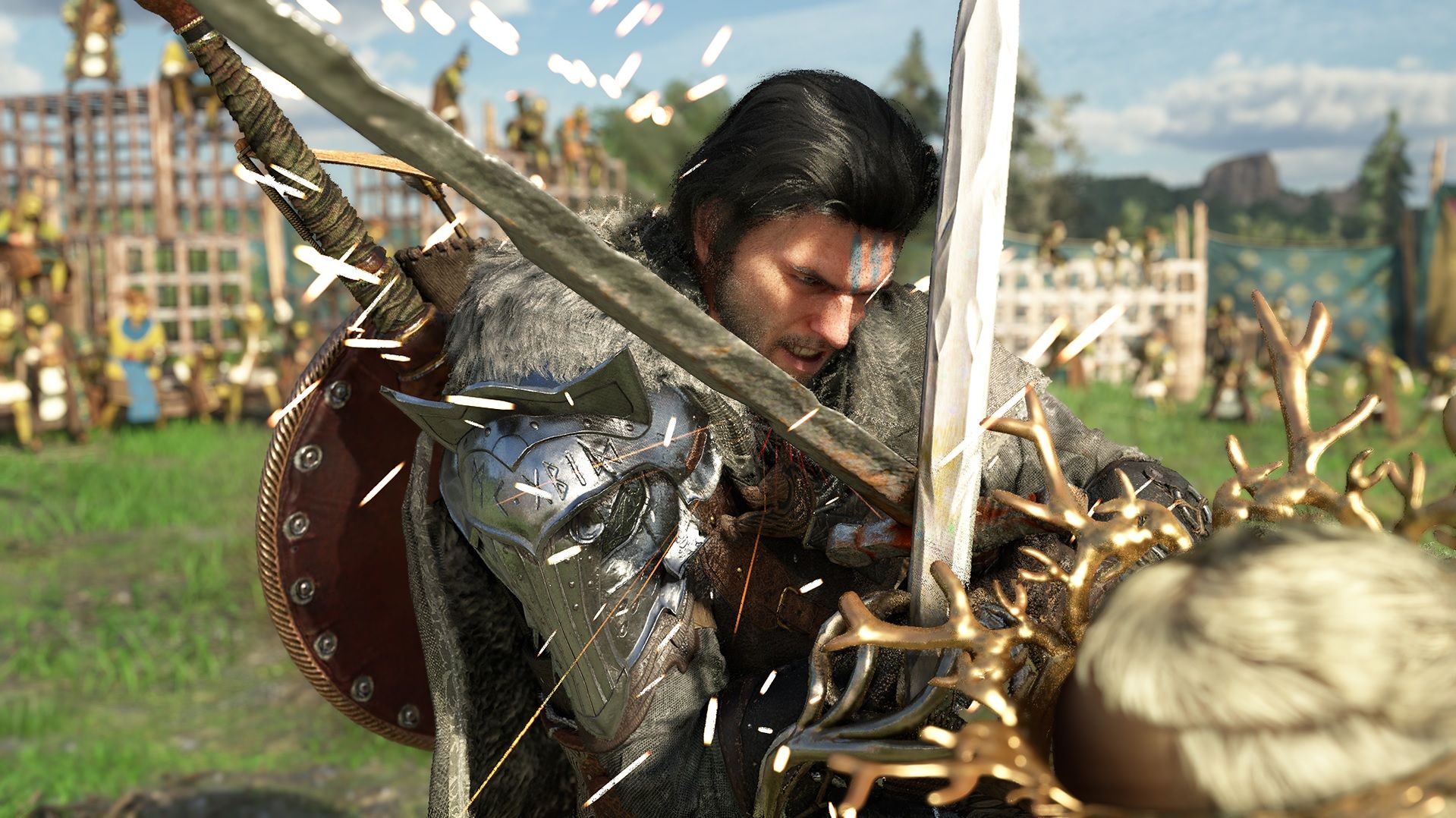
Yet the developers are quick to clarify that this isn’t a call for a full villainous arc. The game’s narrative framework doesn’t support a sustained antihero playthrough, where players might align with outlaw factions or embrace corruption as a lifestyle. Instead, the focus is on moment-to-moment agency: the ability to make morally questionable decisions in service of a larger heroic goal. It’s *Red Dead Redemption*’s outlaw ethos without the existential stakes of *GTA*’s chaos.
The approach reflects a broader trend in open-world design—one where systems drive player creativity without requiring a complete overhaul of the story. Games like *Starfield and Elden Ring have shown that depth doesn’t always require moral flexibility; sometimes, it’s about mechanics that reward experimentation, even within constraints. Crimson Desert takes this a step further by making crime itself a tactical puzzle, where the thrill isn’t in becoming a monster, but in outsmarting the system that hunts you.
The result is a game that feels both familiar and fresh: a world where you can steal, lie, and break the law, but never fully escape the weight of your actions. For players craving a villain’s perspective, it’s a compromise. For those who prefer a hero’s journey with teeth, it’s a promise of something richer than most open-world games dare to offer.
With its launch still on the horizon, Crimson Desert is carving out its own identity—one where the line between hero and criminal isn’t erased, but sharpened into a tool for play. And if the crime system is any indication, the real question isn’t whether you’ll play the villain. It’s whether you’re willing to live with the consequences.