Crimson Desert is a high-fantasy action RPG that prioritizes sheer spectacle over traditional gameplay constraints. It throws players into a world where combat is a playground of exaggerated moves, from grappling hooks to Sonic-style spin attacks, but at the cost of usability and depth in other areas.
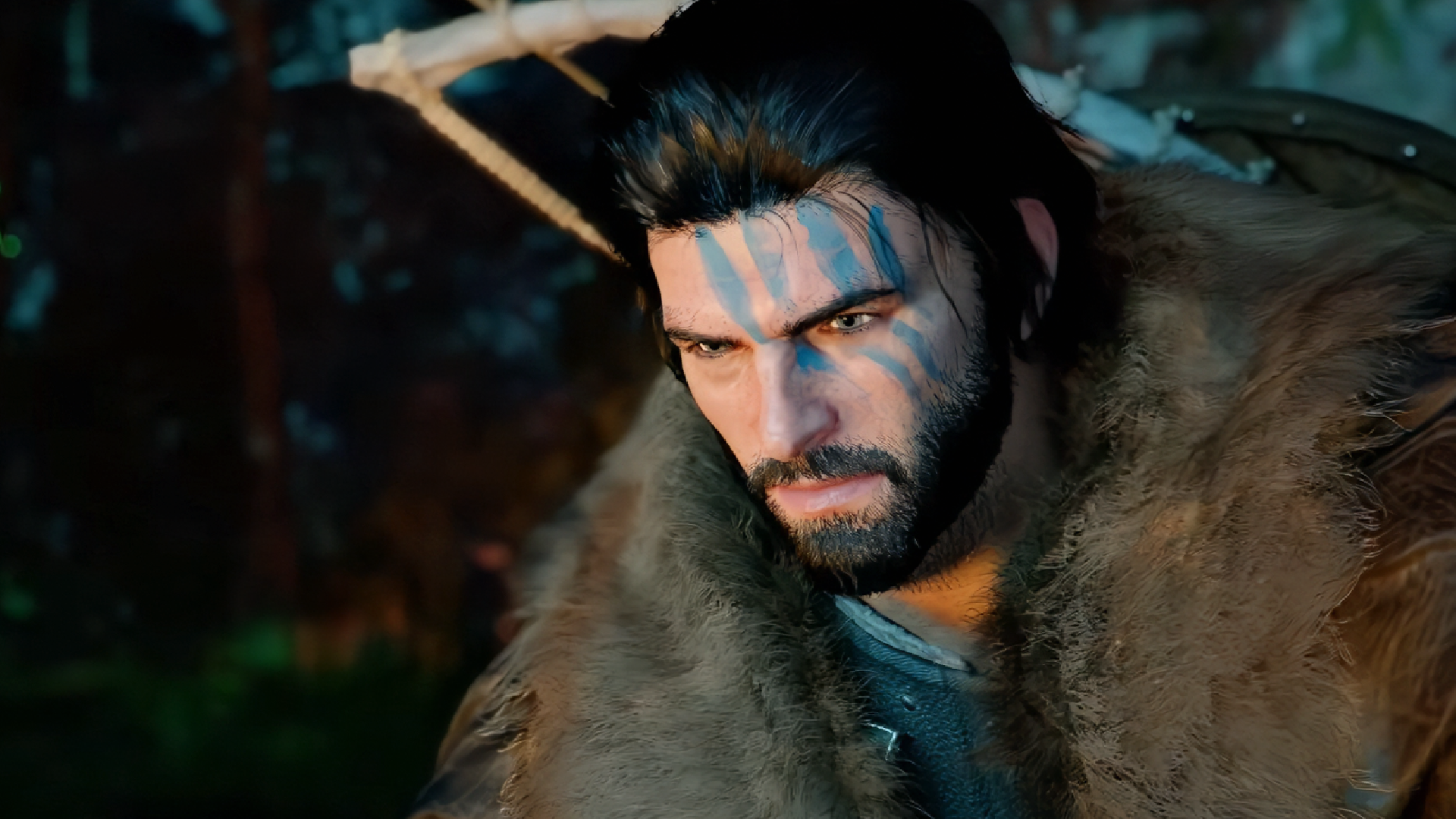
The game follows Kliff, a former mercenary, as he uncovers a plot that threatens reality itself. From the start, Crimson Desert abandons subtlety, transitioning abruptly from a Game of Thrones-like prologue to a sequence where a mysterious beggar grants Kliff a feathered cloak and a grappling hook—tools that hint at the game’s unhinged approach to fantasy. This tone is maintained throughout, with encounters that feel less like traditional combat and more like a series of over-the-top action sequences.
Combat as a Playground
Kliff’s skill tree is a sprawling beast, offering options for archery, unarmed combos, swordplay, and even the ability to swing from objects or perform a Sonic-like spin attack. The game encourages experimentation, but this comes with a significant trade-off: the control scheme is dense, resembling that of a technical fighting game. Players will spend as much time memorizing button combinations as they do mastering combat.
- Combat Style: Unarmed combos, swordplay, archery, grappling hook mechanics
- Skill Tree Depth: Over 100 abilities, including Spider-Man-like swings and Sonic spin attacks
- Control Scheme: Tekken-style button complexity with no wasted inputs
The combat is undeniably flashy, but the sheer volume of mechanics can overwhelm. Kliff’s opponents are equally aggressive, using grabs and swarms to disrupt his combos, forcing players to adapt quickly. This creates a chaotic but engaging experience, though it may alienate those who prefer more methodical gameplay.
A World That Demands Attention
Crimson Desert doesn’t just excel in combat—it crams in as many mechanics as possible, from Breath of the Wild-style cooking to GTA-inspired bounties. The game promises ranching, stronghold management, and minigames, but this mechanical gluttony risks diluting the experience. While some players may thrive in this environment, others will find it exhausting.
- World Mechanics: Cooking, bounty hunting, ranching, stronghold management
- Content Scale: Described as massive with a completionist menu full of objectives
The game’s world is equally unhinged, featuring NPCs who fit perfectly into its absurd tone—a man obsessed with his stolen goat’s horns or an interdimensional wizard in a sky fortress. This sincerity makes the chaos feel intentional rather than forced, but it also raises questions about whether the sheer volume of content will hold together.
Where the Experiment Fails
Despite its undeniable charm, Crimson Desert’s approach isn’t without flaws. The control scheme is a major hurdle, requiring players to learn an extensive set of combos before they can fully enjoy the combat. Additionally, the game’s commitment to being ‘every videogame at once’ risks fragmenting the experience, leaving some mechanics feeling tacked on rather than integral.
The biggest unknown is whether this ambition will pay off. Crimson Desert feels like a game designed by developers who refused to say no to any idea, but that could either result in a masterpiece or a bloated mess. For now, it’s a spectacle that leaves players wanting more—but also questioning how much more they can handle.
The final verdict is simple: Crimson Desert is a combat sandbox that demands attention, but its complexity may not be for everyone. It succeeds where it matters most—combat—but at the cost of depth in other areas. Whether it can balance this act remains to be seen.