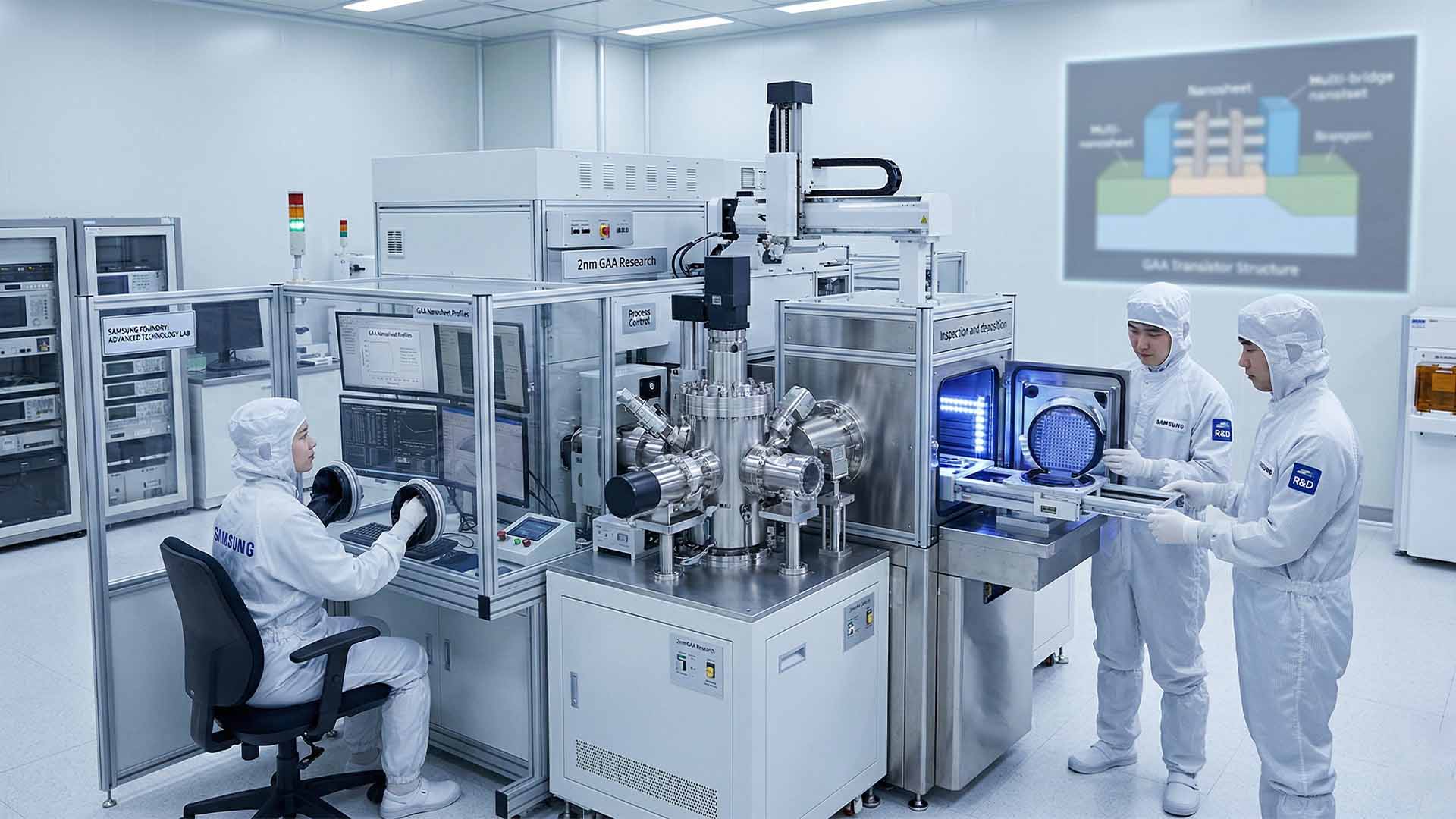
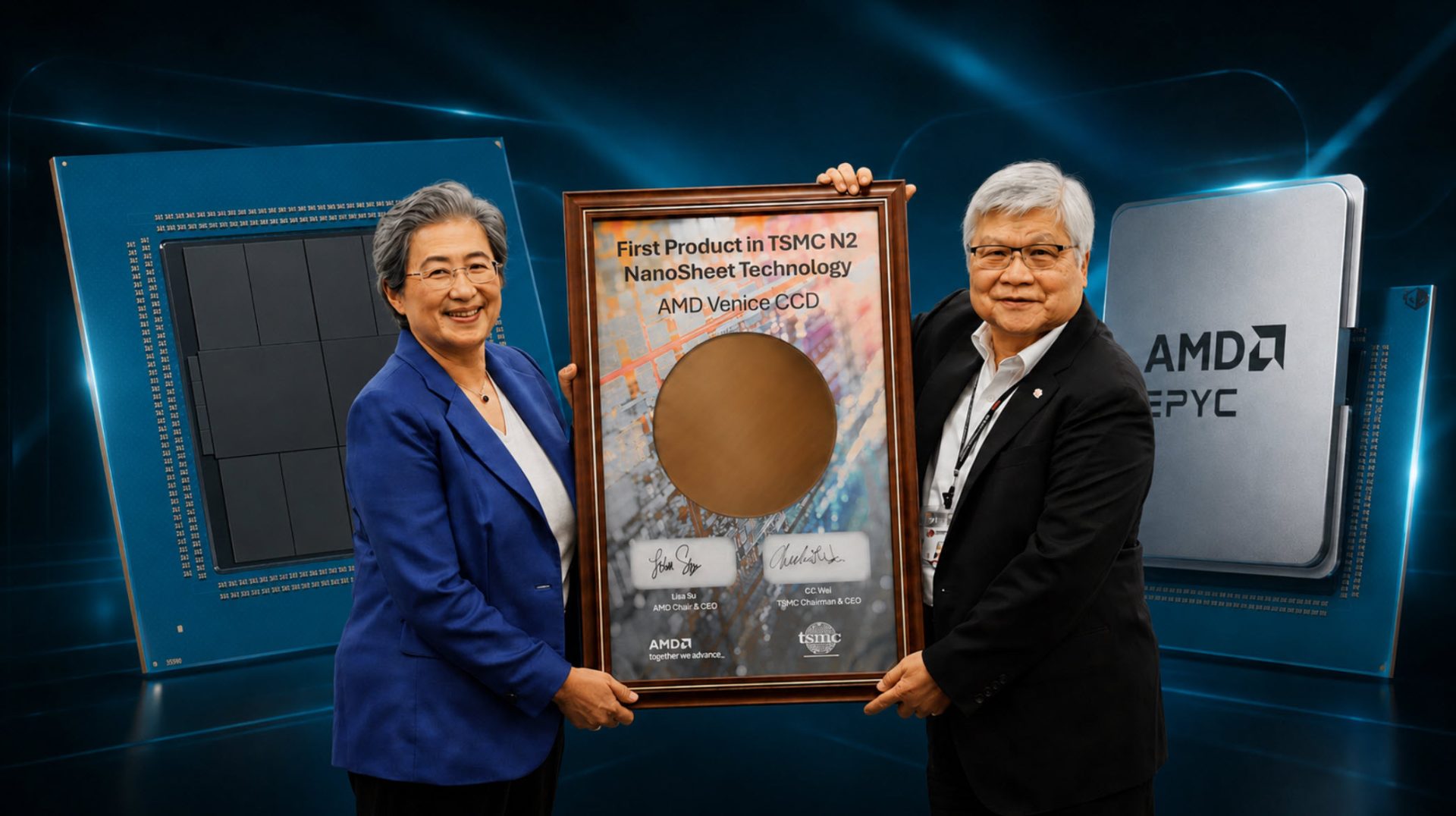
The EPYC Venice server processor, built on TSMC's 2 nm process, is now in volume production—marking a milestone not just for chipmaking but for how data centers handle power and heat. AMD claims it delivers up to 30% more performance per watt than its predecessor while keeping junction temperatures under control, a critical balance for AI workloads that push chips to their limits.
What makes Venice stand out isn't just the node shrink; it's how AMD has managed to maintain or improve key metrics like single-threaded performance and memory bandwidth without sacrificing efficiency. The result is a chip that could redefine what HPC clusters look like in the coming years, especially as AI training demands grow exponentially.
Why 2 nm Matters for AI
workloads are notorious for their appetite—not just for compute power, but for electricity. A 30% improvement in performance-per-watt isn't just a number; it translates to fewer servers, less cooling infrastructure, and lower operational costs. AMD's claim that Venice can achieve this while keeping junction temperatures below 85°C is particularly noteworthy, as thermal throttling has become a bottleneck in large-scale AI deployments.
Key Specifications
- Process: TSMC 2 nm (CLN2)
- Cores/Threads: Up to 128 cores, 256 threads (same as Milan but with efficiency optimizations)
- Memory Support: 4x DDR5-4800 channels, up to 8 TB/s bandwidth
- TDP: Configurable from 150W to 320W (with thermal design power scaling)
- Junction Temperature: Up to 85°C under sustained load (a first for this performance class)
- Performance-per-watt: AMD claims up to 30% improvement over Milan
These specs suggest that Venice isn't just a incremental upgrade; it's a platform shift. The memory bandwidth, while similar to Milan, is now paired with more efficient core designs, which could make it a strong contender for AI inference tasks where latency matters as much as throughput.
The Bigger Picture: Efficiency as a Competitive Edge
AMD's push into 2 nm isn't just about beating Intel on process nodes—it's about proving that efficiency can scale alongside raw performance. For data center operators, this means the difference between a cluster that runs hot and one that stays cool without sacrificing speed. The thermal improvements are particularly critical for edge AI deployments, where power constraints and heat dissipation are major challenges.
What Comes Next?
While Venice is now in volume production, questions remain about how quickly AMD can ramp up yields and whether the 30% performance-per-watt claim holds under real-world AI workloads. Competitors like Intel and NVIDIA will also be watching closely, as this could set a new benchmark for what's possible at 2 nm. For now, though, the focus is on efficiency—not just because it saves money, but because in AI, every watt counts.