The mobile processor market is at a crossroads. As chipmakers push performance boundaries with next-generation cores and aggressive clock speeds, thermal management has become the Achilles' heel of high-end smartphone processors. The Exynos 2600, Samsung’s first foray into Fan-out Wafer Level Packaging (FOWLP) with integrated Heat Pass Block technology, demonstrated that sustained performance gains are only possible if heat dissipation keeps pace. Now, industry insiders suggest this breakthrough is about to become standard, forcing competitors like Qualcomm and MediaTek to rethink how they cool their 2nm chips—before power draw spirals out of control.
At the heart of the problem is a fundamental tradeoff: higher clock speeds mean more performance, but also more heat. The Snapdragon 8 Elite Gen 5, for example, achieved benchmarks that outperformed its competitors by running its cores at 4.61 GHz—a feat that required nearly 60% more power than expected. That power translates to heat, and even the most advanced vapor chambers struggle to contain it. The result? Benchmark crashes, thermal throttling, and a user experience that degrades under sustained load.
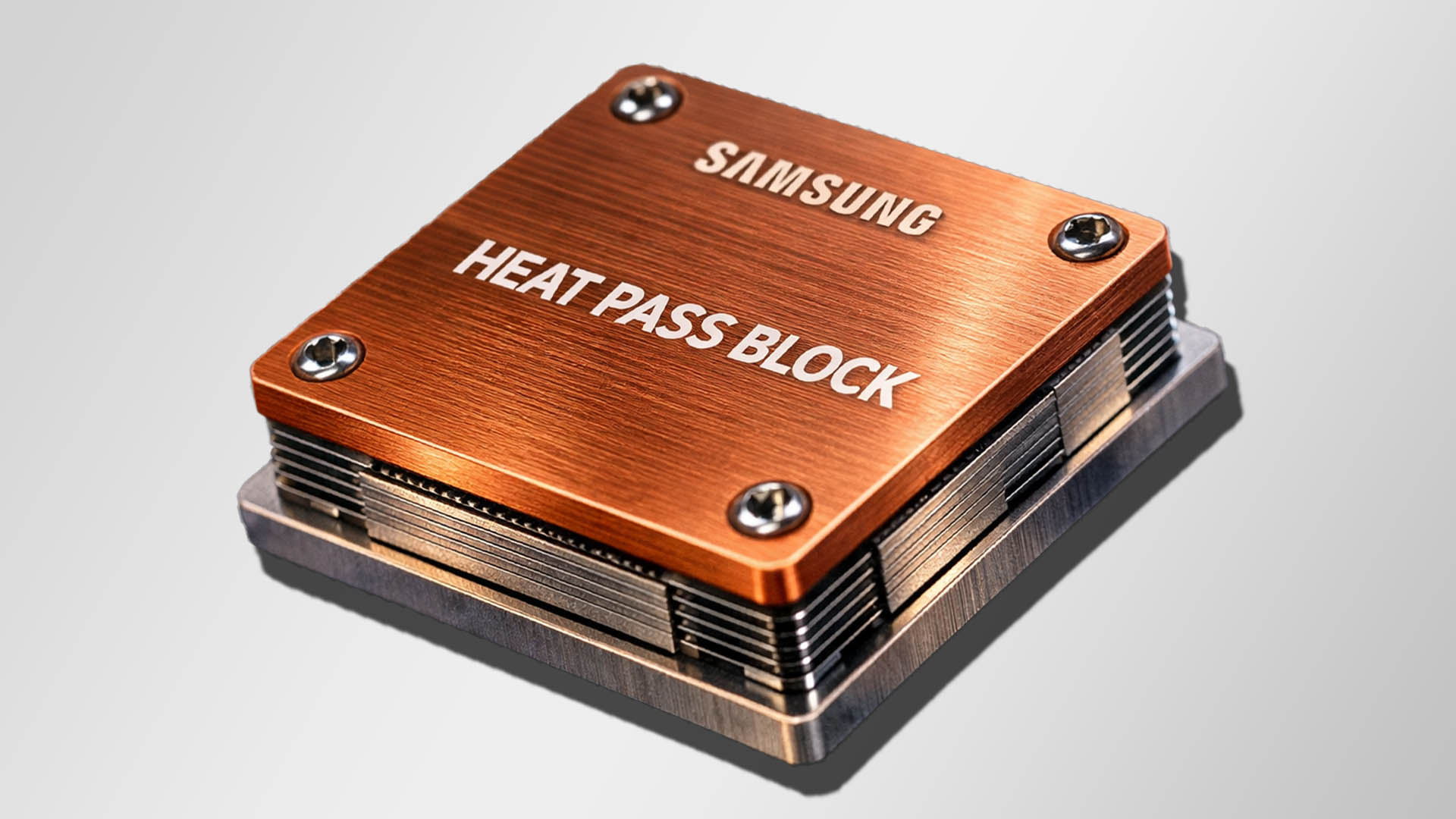
Enter Heat Pass Block (HPB). Samsung’s innovation doesn’t just act as a heatsink; it redefines thermal resistance by improving dissipation by 16% compared to traditional designs. The technology, originally deployed on the Exynos 2600, is now being adopted by other chipmakers—though no names have been confirmed. Its arrival couldn’t be more timely. The next generation of mobile processors, including Qualcomm’s Snapdragon 8 Elite Gen 6 series and MediaTek’s Dimensity 9600, are expected to push clock speeds even higher, potentially reaching 4.8 GHz on TSMC’s 2nm process. Without a solution like HPB, the industry risks hitting a wall where performance gains are negated by thermal limits.
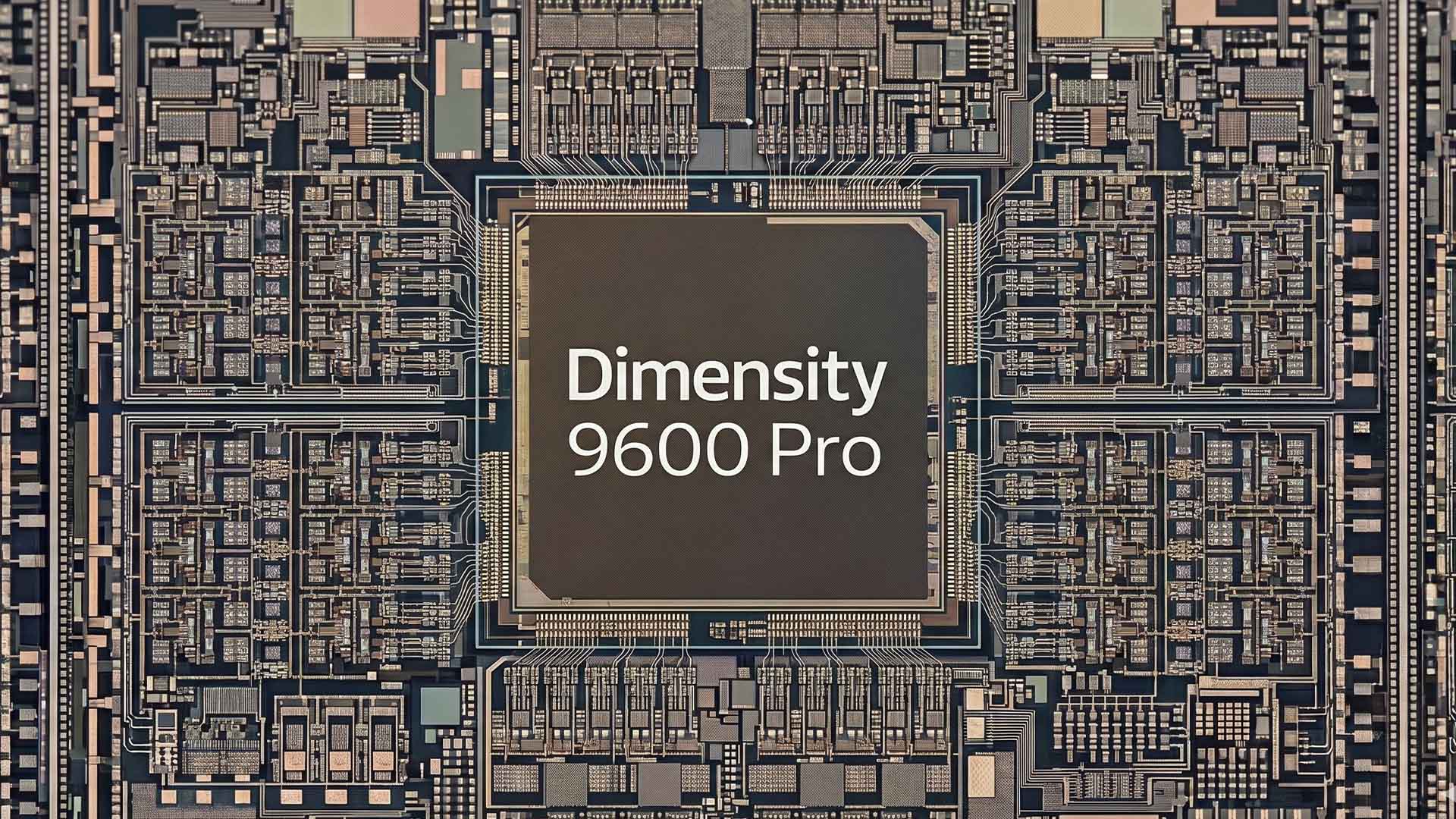
For Qualcomm, the stakes are particularly high. The company’s fourth-generation Oryon cores, designed in-house for efficiency and power savings, still generate significant heat when pushed to their limits. TSMC’s 2nm process (N2P) may offer improvements, but it won’t solve the fundamental issue: vapor chambers and passive cooling simply aren’t enough anymore. MediaTek faces a similar challenge, as its reliance on ARM-based CPU designs—while cost-effective—leads to less efficient power consumption compared to Qualcomm’s proprietary cores. The Dimensity 9600, despite its advancements, is already showing signs of thermal strain under heavy workloads.
Samsung’s Heat Pass Block technology isn’t just about cooling; it’s about redefining what sustained performance can look like in a mobile device. By integrating the heatsink directly into the chip package, HPB reduces thermal resistance at the source, allowing processors to maintain higher clock speeds for longer periods without degradation. This could be the difference between a flagship that runs cool and stable versus one that throttles under pressure.
The ripple effect of this technology is already being felt. Rumors suggest that multiple chipmakers are in advanced stages of adopting HPB for their upcoming 2nm processors, though no official announcements have been made. If the trend holds, it could mark a shift away from relying solely on software-based thermal management and toward hardware-level solutions—something that may become mandatory as power draw continues to climb.
For consumers, this means a future where flagship smartphones don’t just break benchmarks but sustain those performance levels for longer periods, even in demanding scenarios like gaming or video editing. The tradeoff? A slight increase in device thickness or weight, depending on how the heatsink is integrated. But if history is any indicator, that’s a price most users are willing to pay for smoother, more reliable performance.
As the industry races toward 2nm and beyond, one thing is clear: thermal management will no longer be an afterthought. Samsung has already shown the path forward with the Exynos 2600, and others are following suit. The question isn’t whether Heat Pass Block will become standard—it’s how quickly the rest of the industry can catch up.