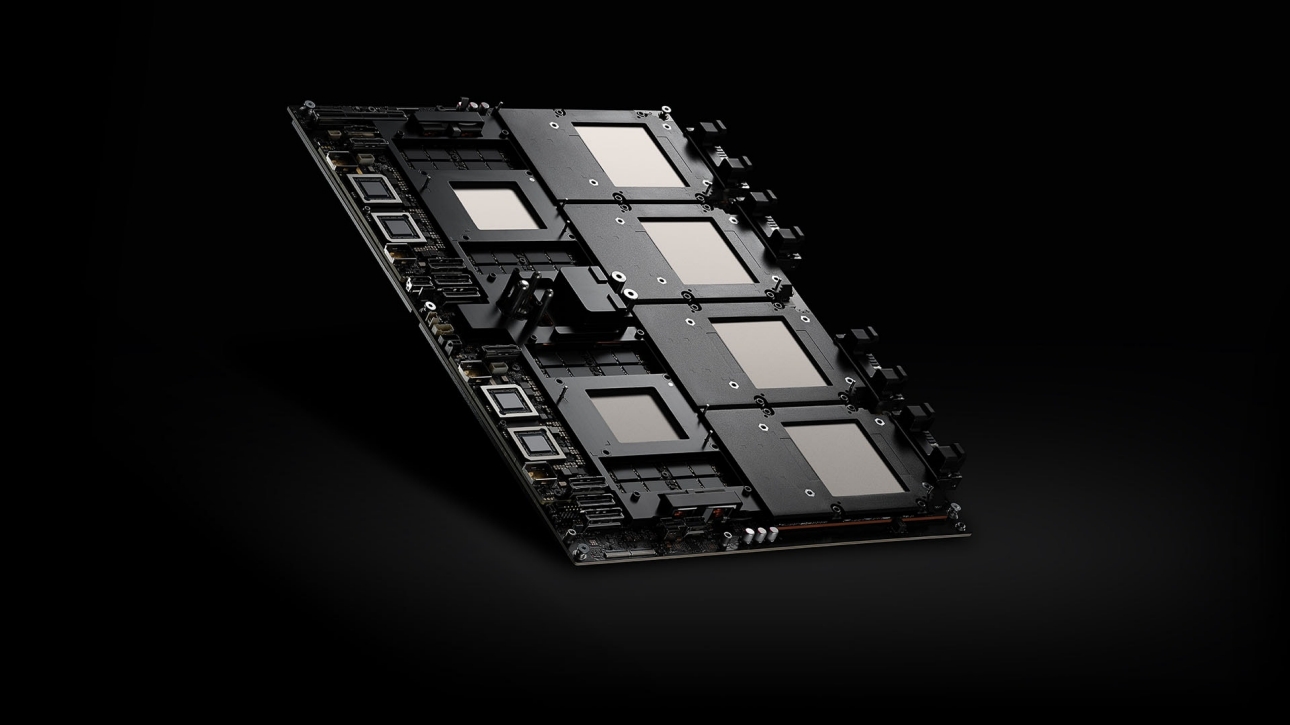
The ASUS Strix GeForce RTX 3090 is a card of extremes—packing NVIDIA’s GA102 die with 10,496 CUDA cores, 82GB of GDDR6X memory running at 19 Gbps, and a TDP that pushes the limits of most power supplies. On paper, it delivers unmatched performance: capable of driving high-refresh-rate displays or handling complex workloads with ease. But in practice, its cooling solution has proven to be a weak link.
The core issue lies in the VRM design. Unlike many competitors that distribute heat more evenly across multiple heatsinks, the Strix 3090 concentrates thermal output in specific areas of the board. During prolonged gaming sessions or rendering tasks, these localized hotspots generate significant stress on solder joints and MOSFETs. The problem doesn’t manifest immediately but becomes apparent after months of heavy use, leaving users with a card that may not last as long as expected.
- Key Specifications:
- NVIDIA GeForce RTX 3090 (GA102) with 10,496 CUDA cores
- 82GB GDDR6X memory, 192-bit bus, 19 Gbps speed (1.3 TB/s bandwidth)
- Dual 10-phase VRMs, 350W TDP, dual 8-pin PCIe power connectors
- Display outputs: 1x HDMI 2.1, 3x DisplayPort 1.4a
- Connectivity: 3x USB-C ports (for VR/accessories), 1x USB Type-A
- Launch price: Approximately $2,000 (MSRP); current market prices vary due to supply constraints
Users attempting to mitigate the issue with aftermarket coolers or liquid nitrogen setups report that these hotspots persist under sustained loads. This suggests a fundamental flaw in the board’s thermal architecture rather than a simple cooling deficiency. The result is premature wear on critical components, which could lead to higher operational costs over time—not just from potential hardware failures but from the need for careful temperature monitoring and workload adjustments.
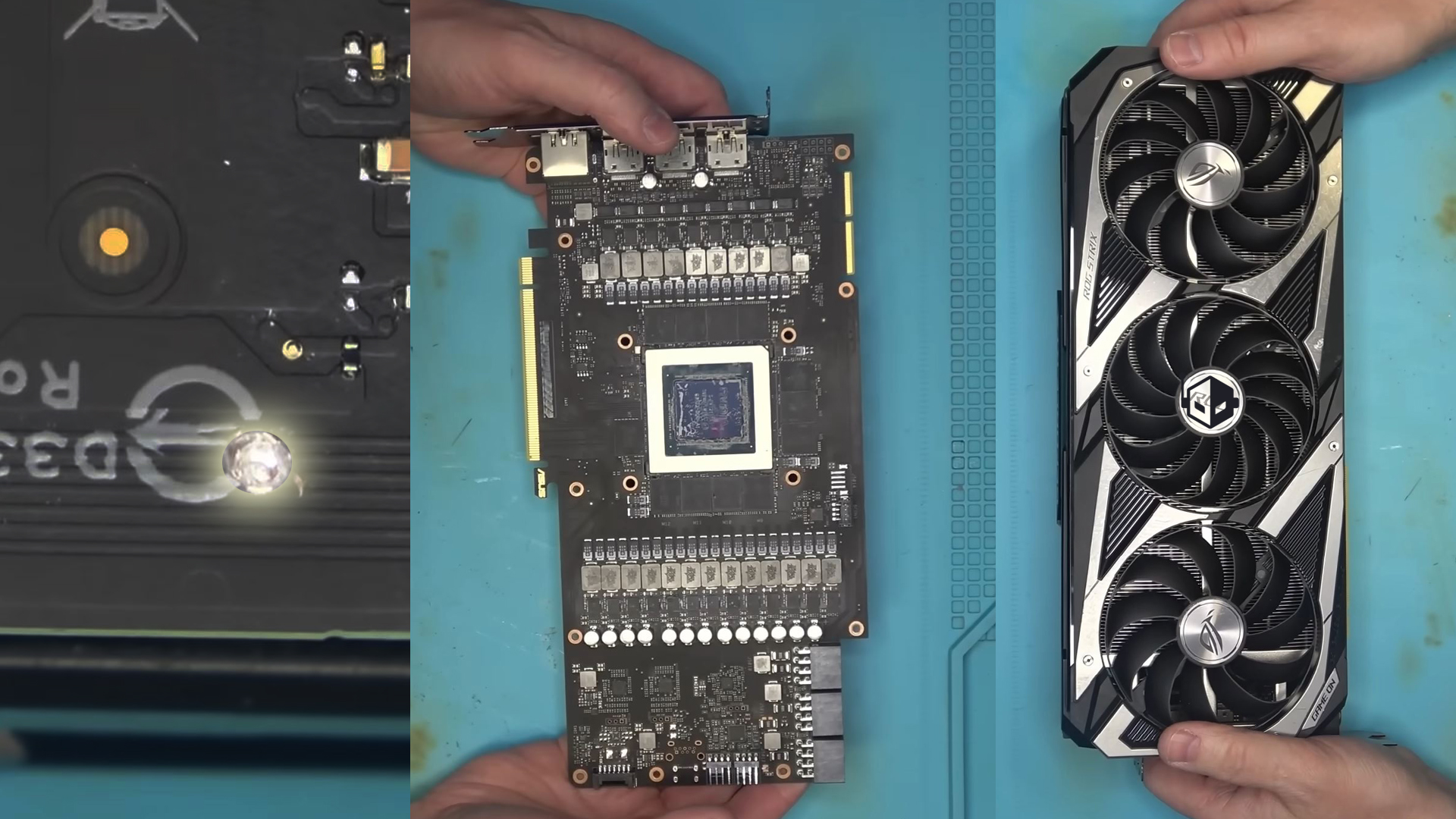
For developers and content creators relying on 24/7 rendering or AI training, this becomes particularly problematic. The RTX 3090 is already an expensive proposition; adding the risk of reduced longevity could make it a less attractive option despite its raw power. Some have turned to undervolting or custom fan curves as temporary solutions, but these are not permanent fixes.
ASUS has not publicly acknowledged this issue, leaving users to rely on community forums and benchmarks for insights. The broader industry may need to reconsider how high-end GPUs balance performance with thermal sustainability. If a card designed for extreme workloads cannot maintain that level of performance over time, the cost-benefit equation shifts in favor of alternatives with more robust cooling solutions—even if they come at a slightly lower price point.
For potential buyers, the choice is clear: the RTX 3090 remains one of the most capable GPUs on the market, but its reliability under prolonged stress is now a significant question. Those who prioritize longevity may find that alternatives with better thermal management offer better long-term value, despite their lower upfront cost.