Asus has vehemently denied reports suggesting it is phasing out its GeForce RTX 5070 Ti and RTX 5060 Ti graphics cards, both equipped with 16GB of VRAM. The company attributes the confusion to incomplete information provided by one of its PR representatives, emphasizing that it remains committed to supporting these models despite current supply challenges.
While Asus' statement offers clarity on its long-term intentions, the reality for consumers is more nuanced. Memory shortages, a persistent issue across the industry, continue to limit production output and restocking cycles. This has led to inconsistent availability in certain markets, which Asus clarifies does not reflect any end-of-life designation or discontinuation efforts.
The situation underscores the broader challenges faced by Nvidia's RTX 5000 series, where strong demand for GPUs with ample VRAM—critical for high-resolution gaming and AI workloads—clashes with constrained memory supplies. Asus' insistence on continued support is a positive sign for enthusiasts, but the practical impact remains tied to the unpredictable nature of global supply chains.
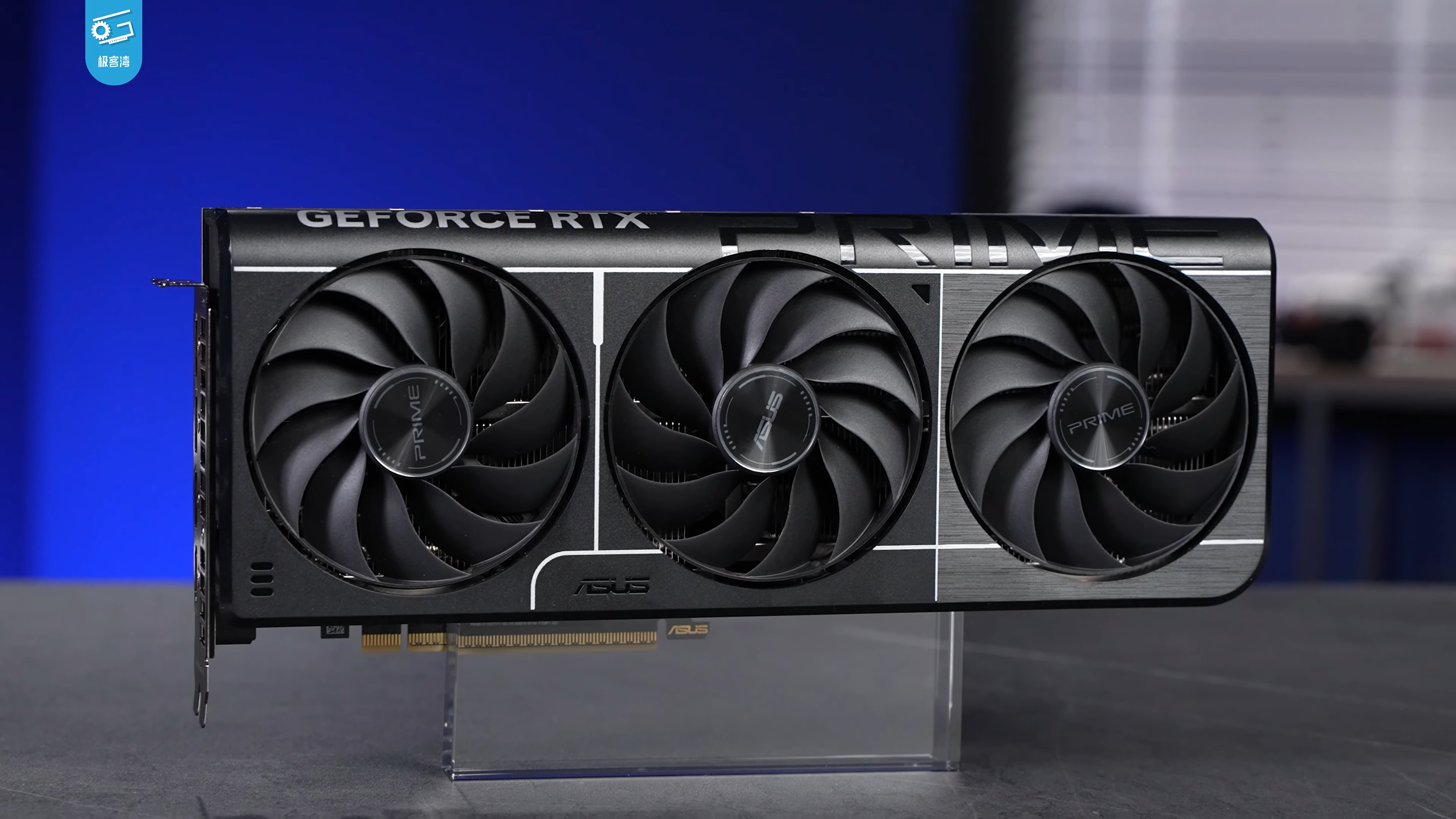
- Display
- 12nm process
- CUDA cores: 4864 (RTX 5070 Ti), 3584 (RTX 5060 Ti)
- VRAM: 16GB GDDR6
- Chip
- Architecture: Ada Lovelace
- Base clock: 2.5 GHz (RTX 5070 Ti), 2.3 GHz (RTX 5060 Ti)
- Boost clock: Up to 3.1 GHz (RTX 5070 Ti), up to 2.8 GHz (RTX 5060 Ti)
- Memory
- 192-bit memory bus
- Memory bandwidth: 448 GB/s (RTX 5070 Ti), 384 GB/s (RTX 5060 Ti)
- Storage
- N/A (GPU does not include storage)
- Power
- TDP: 295W (RTX 5070 Ti), 180W (RTX 5060 Ti)
- Cameras
- N/A (GPU does not include cameras)
- Connectivity
- PCIe 4.0 x16 interface
- Ports
- DisplayPort 2.1, HDMI 2.1, USB-C (for DisplayPort alt mode on some models)
- Pricing
- $599 MSRP (RTX 5070 Ti), $349 MSRP (RTX 5060 Ti) at launch; current prices may vary due to supply constraints
The RTX 5070 Ti and 5060 Ti are positioned as mid-range to high-end options for gamers and content creators, offering a balance between performance and power efficiency. The 16GB VRAM configuration is particularly valuable for modern games that push resolution limits or require additional memory for AI-driven tasks. However, the trade-off lies in the higher power consumption of these models, which can impact cooling requirements and system stability.
Asus' denial of discontinuation provides a glimmer of hope for those seeking these cards, but the reality remains that supply will dictate availability. The company's commitment to stabilizing production as conditions improve suggests that patience may still yield results, though the timeline is uncertain. For now, consumers should monitor restock alerts and regional market trends closely.