The AI accelerator market is evolving rapidly, and ASUS has entered the space with a compact USB device designed to bring high-performance inference directly to developers' hands. The UGen300, announced recently, stands out not just for its form factor but also for its strategic positioning in an ecosystem increasingly focused on edge AI.
Unlike traditional GPUs or NPUs that require system integration, the UGen300 is a standalone accelerator that plugs into any USB-C port. It houses the Hailo-10H processor, capable of delivering 40 AI TOPS—enough to handle large language models and vision-language tasks efficiently. This makes it particularly appealing for applications where latency, privacy, or cloud dependency are concerns.
Key Specifications
- Processor: Hailo-10H (40 AI TOPS)
- Memory: 8 GB LPDDR4 (dedicated)
- Power: 2.5 W under typical workloads
- Interface: USB-C (3.1 Gen 2)
- Compatibility: Windows, Linux, Android; TensorFlow, PyTorch, ONNX support
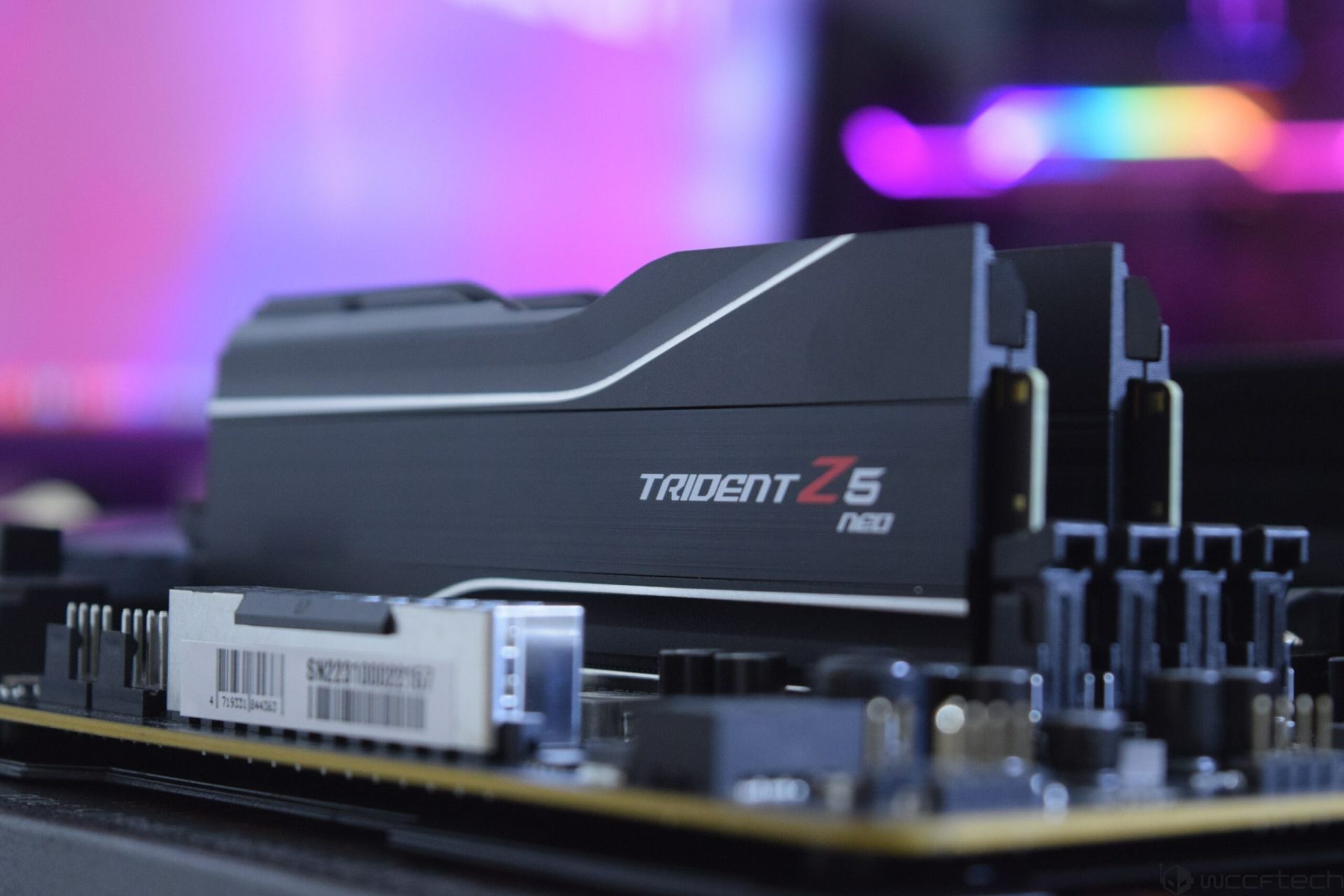
The device's dedicated memory architecture is a notable feature. Unlike NPUs that rely on shared system RAM, the UGen300 includes 8 GB of LPDDR4, ensuring consistent throughput for complex AI pipelines. This is especially useful for developers working with large models or multi-tasking environments.

Strategic Implications
The UGen300's plug-and-play design addresses a growing demand for portable, high-performance AI solutions. For developers, this means no need for complex system integration—simply connect the device and start running inference tasks locally. The lack of cloud dependency also eliminates recurring costs and latency issues, making it a cost-effective choice for edge AI deployments.
While the UGen300 is not a replacement for high-end GPUs like NVIDIA's RTX 5070 or 5060, it fills a niche in the market for lightweight, accessible AI acceleration. Its compact size (105 x 50 x 18 mm) and low power consumption (2.5 W) make it ideal for embedded systems, educational tools, or industrial applications where space and efficiency are critical.
Looking ahead, the UGen300 could set a precedent for how AI accelerators are designed in the future—smaller, more integrated, and less reliant on traditional system architectures. Whether this will influence broader trends in GPU and NPU development remains to be seen, but it certainly signals a shift toward more modular, plug-and-play AI solutions.