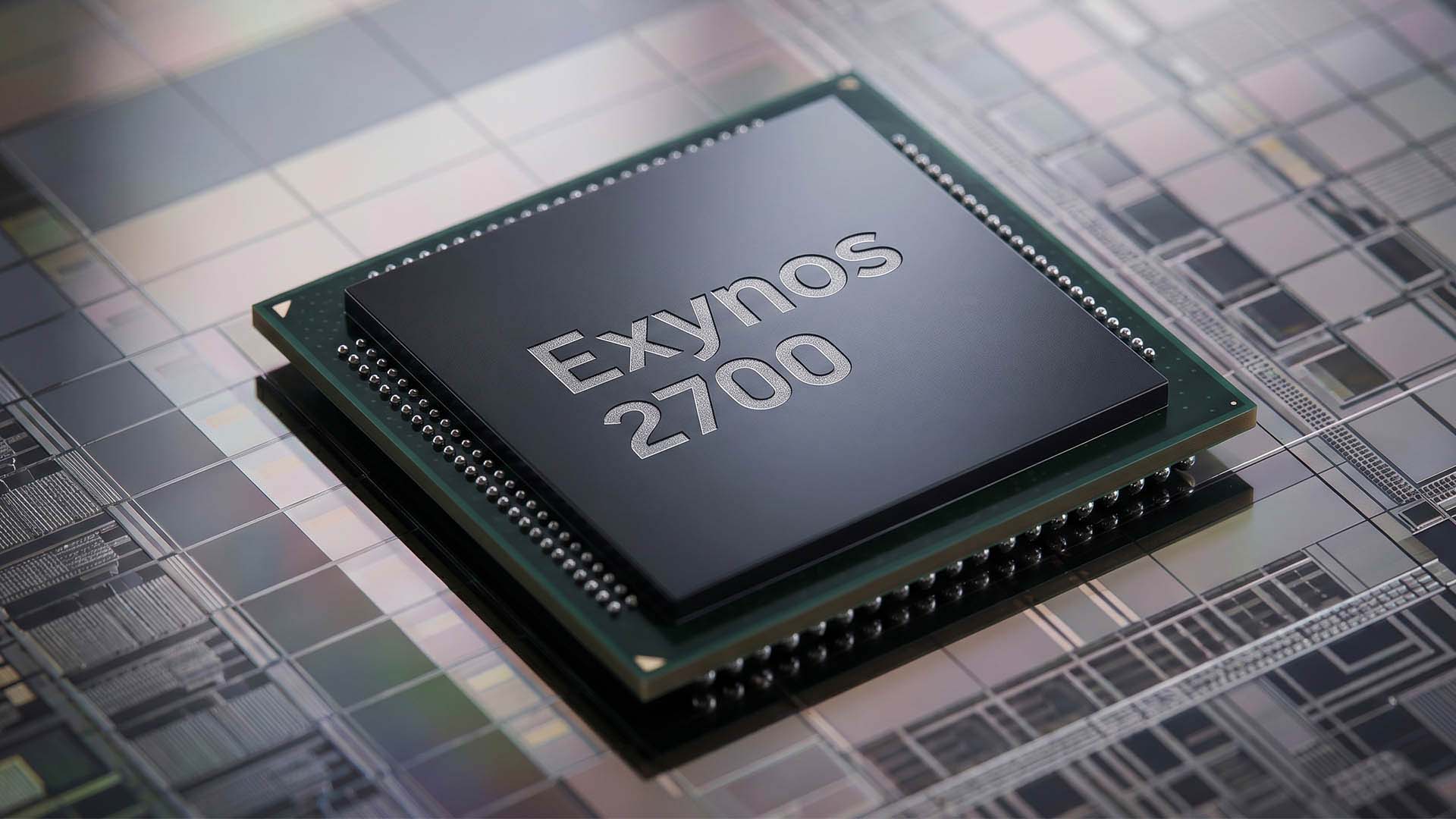
The Samsung Exynos 2800 is breaking new ground in mobile GPU design by skipping ray tracing entirely while embracing full path tracing—a strategy that could redefine efficiency for power-hungry workflows.
This isn’t just about raw performance; it’s a calculated move to optimize battery life and thermal output, critical factors for small businesses running demanding applications. The chip’s architecture suggests a focus on sustained productivity rather than visual spectacle, potentially making it a standout in environments where stability and longevity matter more than cutting-edge graphics.
Key Specs
- CPU Cores: 1x Cortex-X3 (3.0 GHz), 4x Cortex-A715 (2.9 GHz), 6x Cortex-A510 (2.8 GHz)
- GPU: Xclipse 920 with full path tracing support, no ray tracing
- Memory: LPDDR5X-6400, up to 16 GB
- Storage: UFS 3.1, up to 512 GB
- Clock Speeds: CPU cores range from 2.8 GHz to 3.0 GHz; GPU details not yet disclosed
The Exynos 2800’s GPU is designed to handle path tracing—a more computationally intensive task than traditional rasterization—without the added complexity of ray tracing. This means it can process complex lighting and shadow calculations in a way that mimics real-world environments, but without the performance drain often associated with real-time ray tracing. For small businesses, this could translate to smoother operation in applications like 3D modeling or simulation, where visual fidelity is important but power efficiency is non-negotiable.
However, the trade-off is clear: by forgoing ray tracing, the chip may not deliver the same level of dynamic lighting effects seen in games or high-end graphics applications. This isn’t necessarily a drawback—it’s a deliberate choice to prioritize stability and efficiency over flashy visuals. The question now is whether this approach will resonate with businesses that value raw performance metrics over aesthetic enhancements.
What It Means for Small Businesses
The Exynos 2800’s architecture suggests a shift toward chips optimized for sustained workloads rather than burst performance. For small businesses, this could mean longer battery life during intensive tasks, reduced thermal throttling, and a more predictable user experience—factors that are often overlooked in favor of raw speed benchmarks.
Admins managing fleets of devices will likely appreciate the chip’s focus on efficiency. With support for up to 16 GB of LPDDR5X-6400 memory and UFS 3.1 storage, it’s positioned to handle demanding applications without choking on bandwidth or heat. The lack of ray tracing might limit its appeal in gaming or high-end graphics scenarios, but for businesses where productivity and reliability are paramount, this could be a game-changer.
As for availability, pricing, and timing, those details remain under wraps. Samsung has yet to confirm whether the Exynos 2800 will debut in consumer devices first or if it’s earmarked for enterprise or business-focused hardware. What is clear is that this chip is poised to challenge the status quo—whether it succeeds will depend on how well it balances efficiency with real-world performance needs.