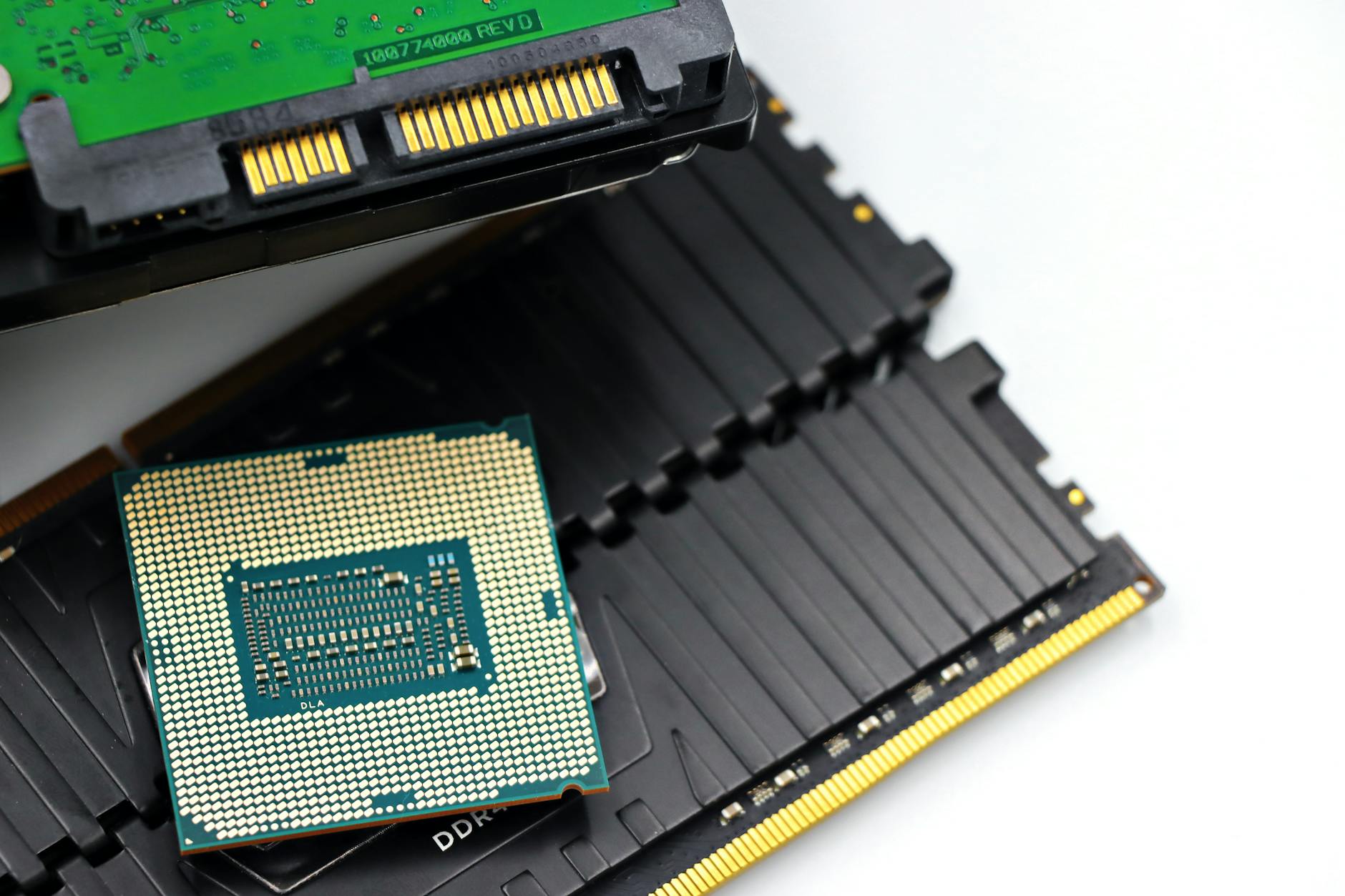
For decades, x86 architectures have dominated the server and desktop landscape, but a new era is unfolding in silicon design. Arm’s foray into high-performance computing isn’t just another chip announcement; it represents a fundamental rethinking of how processors balance power consumption with raw performance—a critical factor as data centers face increasing pressure to cut energy costs while maintaining output.
The latest generation of Arm-based processors, codenamed ‘Neoverse’, pushes this boundary further than previous attempts. Where earlier Arm chips prioritized mobile efficiency over sustained compute, Neoverse is built from the ground up for enterprise workloads. Its architecture leverages a 7nm process node to deliver clock speeds that rival traditional x86 designs, while maintaining thermal design power (TDP) levels that are significantly lower—often less than half of comparable x86 counterparts.
This isn’t just about raw numbers, though. The real story lies in how these chips handle sustained workloads, such as AI inference and high-density server farms. Traditional x86 processors often hit thermal limits when pushed to their maximum capacity, forcing system designers to either accept performance throttling or invest in costly cooling solutions. Neoverse changes that dynamic by integrating advanced power management at the microarchitectural level, allowing for sustained bursts of activity without proportional heat spikes.

At the heart of this shift is a move away from monolithic core designs toward more heterogeneous approaches. While x86 has long relied on uniform core clusters, Neoverse incorporates specialized execution units tailored to specific workloads—whether that’s vector math for AI tasks or general-purpose compute for traditional server roles. This specialization isn’t new in theory, but its implementation here is notably more aggressive, with some benchmarks showing up to a 30% improvement in power efficiency for mixed workloads compared to previous-generation Arm designs.
The implications for enterprise buyers are significant. Data centers that currently rely on x86 infrastructure may find themselves reconsidering their hardware roadmaps, not out of necessity, but out of opportunity. The ability to deploy high-performance compute without the same cooling overhead could translate into substantial long-term savings, particularly in regions where energy costs are a major factor.
Yet, this transition isn’t without its challenges. Compatibility remains a hurdle; while Arm has made strides in software support, enterprise-grade applications—especially those deeply tied to x86 ecosystems—still require careful porting or emulation layers. Additionally, the learning curve for developers and system integrators cannot be ignored, as they adapt to a new instruction set and optimization paradigm.
Looking ahead, the most compelling aspect of Neoverse isn’t its current benchmarks but what it signals about Arm’s long-term vision. The company has positioned this as the first step in a multi-year roadmap that will see further refinements in power efficiency, core density, and specialized acceleration. If the trajectory holds, we could see an industry where thermal constraints no longer dictate performance limits—but that future is still being written.