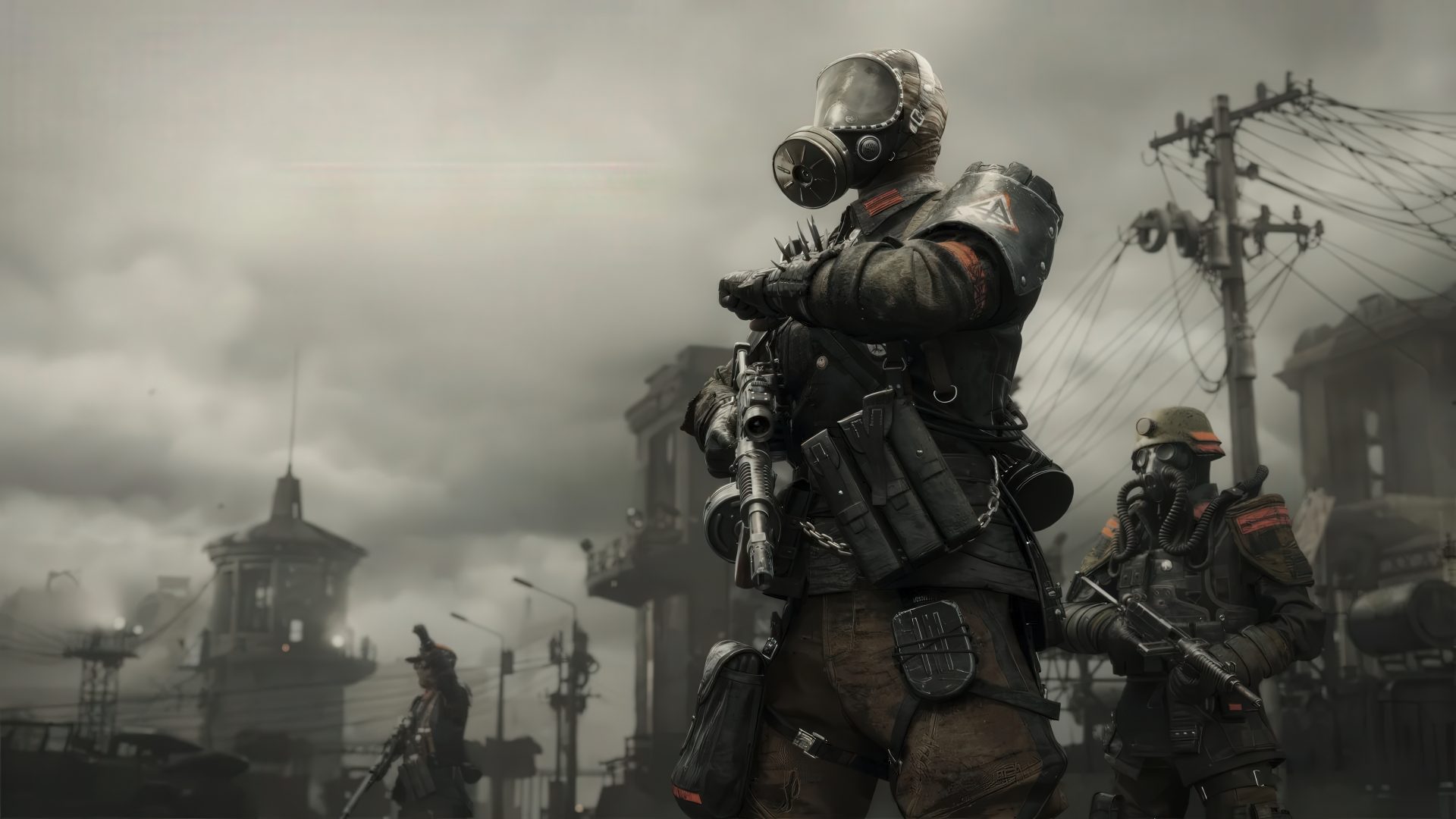
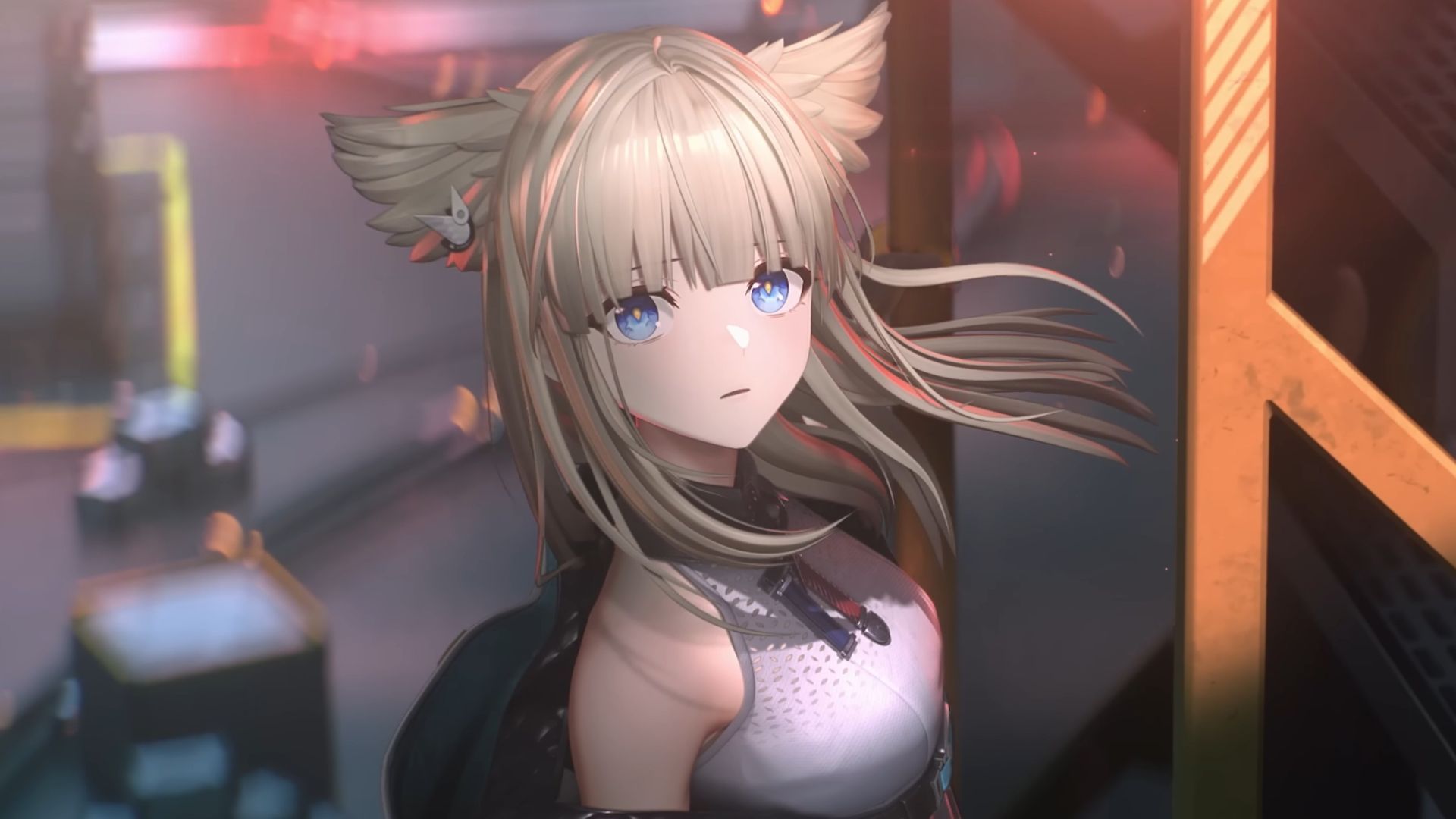
Arknights: Endfield represents a leap forward in both visual fidelity and system requirements for Hypergryph’s flagship title. Unlike its mobile predecessor, which relied on optimized but limited rendering pipelines, Endfield targets high-end desktop GPUs with a 3D engine built from the ground up. This shift is evident in its minimum specification list, which demands at least an NVIDIA GeForce GTX 1060—far beyond what most mobile devices can match.
The game’s size alone—50GB compressed, expanding to 90GB upon full installation—hints at the complexity of its assets. This includes high-resolution textures, dynamic lighting models, and a physics engine designed for fluid combat animations. Preloading is mandatory; without it, launch-day server strain could delay content access, particularly in regions with slower internet infrastructure.
Engineering the Combat Experience
Endfield’s performance hinges on its hybrid rendering approach. While it inherits Arknights’ core tactical mechanics—turn-based strategy with gacha-driven character acquisition—it introduces real-time 3D environments that require GPU acceleration for smooth execution. Benchmark data suggests frame rates hover around 60 FPS on mid-range GPUs like the RTX 2060, but high-refresh-rate monitors may see drops unless vsync and dynamic resolution scaling are enabled.
The recommended CPU (Intel Core i7-10700k) reflects the game’s reliance on multi-threaded workloads during battle calculations. This is unusual for a strategy RPG, where most processing occurs in short bursts rather than continuous loops. Developers claim this requirement stems from pathfinding algorithms and AI opponent logic, which must evaluate complex board states in real time.
Storage and Memory Considerations
The 50GB base install size is deceptive. Endfield uses a streaming architecture that loads assets dynamically based on the active map or mission type. This means players with SSDs will see faster load times, but HDD users may experience stuttering during transitions between large-scale battlefields. The additional 40GB reserve is non-negotiable; even temporary files during updates can push total usage beyond 100GB.
Platform Synchronization and Ecosystem
Endfield’s simultaneous release across PC, iOS, and Android is a logistical challenge. To synchronize progression, Hypergryph has implemented a unified matchmaking system that routes players to servers based on latency rather than platform. This means a mobile player in Tokyo could face off against a PC user in Los Angeles without noticeable lag.
The game’s backend infrastructure must handle this cross-platform load efficiently. While no official server capacity figures have been released, past Arknights updates suggest peak traffic can exceed 10 million concurrent connections during major events. Preloading mitigates some of this risk by reducing the initial burst of requests on launch day.
What Developers Prioritized
Endfield’s technical roadmap focuses on three pillars: visual consistency, performance stability, and long-term scalability. The team has avoided traditional 'gimmicks' like ray tracing, instead optimizing for high frame rates with conservative shader complexity. This approach ensures the game remains playable on hardware from 2017 onward while leaving room for future content patches that could introduce more demanding features.
Looking Ahead
For players, the key takeaway is preparation. Preloading isn’t just about avoiding delays—it’s a way to test system compatibility before the official release. Those with GPUs older than the GTX 1060 should benchmark their setups in advance, as Endfield’s engine does not support Vulkan fallback on Windows.
The launch at 11 AM UTC+8 (January 22) will be closely monitored for server performance. Given the franchise’s global fanbase, even minor hiccups could create bottlenecks. However, Hypergryph’s track record suggests a smooth rollout is likely, provided players adhere to preloading guidelines.