The May 2026 snapshot of Arch Linux marks a significant shift in how users can approach new installations, balancing cutting-edge kernel support with practical refinements that address long-standing pain points. At its core, this release is about simplifying the setup process while pushing hardware compatibility further than ever before.
- First ISO to include Linux 7.0 kernel (version 7.0.3) for broad hardware detection
- Improved Archinstall 4.3 with additional font options and power management automation
- Updated desktop environments: KDE Plasma 6.6.4, GNOME 50.1, Cinnamon 6.6.8, Hyprland 0.54.3, COSMIC 1.0.11
- Key applications updated: Firefox 150, LibreOffice 26.2.3, Blender 5.1.1
- Still supports Linux 6.18.25 LTS for stability-focused users
For power users and system builders, the transition to Linux 7.0 is notable not just for its technical improvements but also for how it reshapes upgrade decisions. The kernel’s enhanced hardware detection—particularly on newer systems—reduces the trial-and-error that often accompanies fresh installations. Older hardware isn’t left behind either; previous versions sometimes struggled with component recognition, a gap this release actively closes.
Beyond the kernel, the Archinstall 4.3 installer introduces practical refinements that streamline workflows. The new 'Additional Fonts' section, for example, offers one-click access to Noto Unicode, Noto Emoji, and CJK variants, catering to global users without manual configuration. Automatic power management setup after installation is another step toward reducing post-installation maintenance. Bug fixes for encrypted partitions and file copying further polish the experience, while a completed Hindi translation locale broadens accessibility.
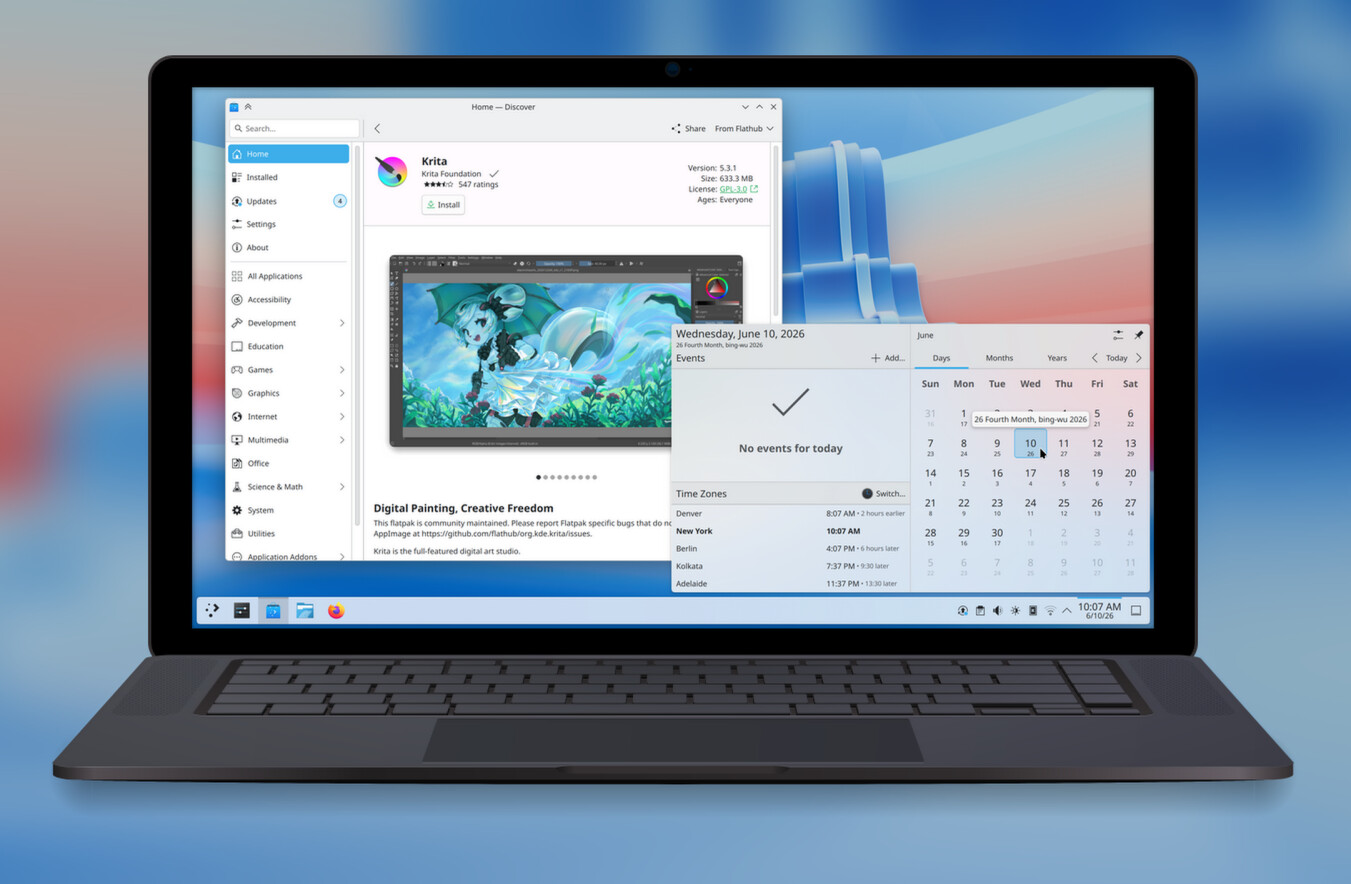
Desktop environments see incremental but meaningful updates across KDE Plasma 6.6.4 (with KDE Frameworks 6.25 and KDE Gear 26.04), GNOME 50.1, Cinnamon 6.6.8, Hyprland 0.54.3, and COSMIC 1.0.11. These updates ensure that users have access to the latest features without sacrificing stability—a balance that matters when choosing between a fresh install and an upgrade.
For those weighing whether this snapshot is worth adopting, the key takeaway is clarity: it’s designed as a starting point for new installations rather than a full system overhaul. All packages reflect the state of April 2026, meaning existing users won’t benefit from a direct reinstall unless they’re rebuilding their systems from scratch. The inclusion of Linux 7.0 solidifies Arch’s position at the forefront of kernel adoption, but the real value lies in how these changes simplify the process for users who demand both performance and polish.