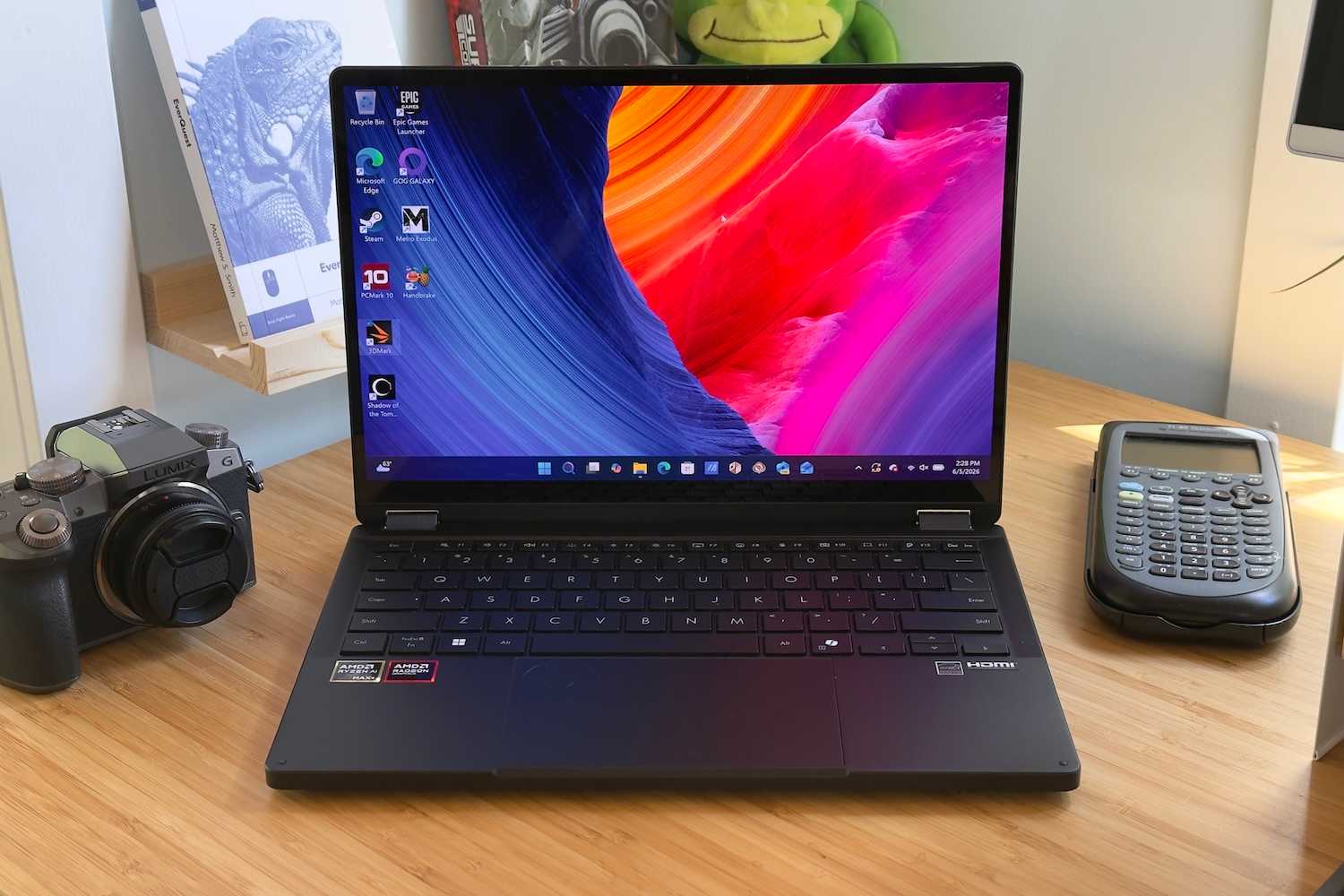
In the evolving landscape of artificial intelligence, where cloud-based solutions often dominate, AMD is poised to introduce a game-changer: the Ryzen AI Halo Mini-PC. This device, set to arrive in June, combines the power of a high-end APU with substantial VRAM, aiming to bring advanced local AI development capabilities to developers' desks without relying on remote data centers.
The heart of this mini-PC is the Ryzen AI Max 395+ APU, featuring a 16-core/32-thread Zen 5 CPU and an integrated RDNA 3.5 GPU with 40 compute units. This architecture is designed to handle demanding tasks, including running large language models with sizes beyond 70 billion parameters. The device also includes a Microsoft Copilot+ ready NPU with 50 TOPS, ensuring robust performance for AI workloads.
Key specs of the Ryzen AI Halo Mini-PC include
- APU: Ryzen AI Max 395+, 16-core/32-thread Zen 5 CPU
- GPU: RDNA 3.5 architecture, 40 compute units
- NPU: Microsoft Copilot+ ready, 50 TOPS
- Memory: Up to 128 GB unified LPDDR5X
- OS Support: Windows 11 and Linux (Ubuntu preferred for AI development)
- Cooling: Innovative solution with baseplate, direct-touch heatpipes, aluminum channel heatsink, and lateral airflow blowers
The device's substantial VRAM and powerful APU make it a compelling alternative to NVIDIA's DGX Spark platform, particularly for local AI development. However, the integrated RDNA 3.5 GPU, while capable, is not the latest and most powerful graphics architecture from AMD, which may limit its appeal to gamers. The primary audience for this device would be developers looking for a compact, high-performance solution for running large-scale AI models locally.
While the Ryzen AI Halo Mini-PC promises significant advancements in local AI development, its true potential remains to be seen. Benchmarks and real-world performance tests will be crucial in determining how it stacks up against existing solutions. If it delivers on its promise, this mini-PC could mark a significant shift in how developers approach AI tasks, bringing powerful compute capabilities to their desks without the need for remote data centers.