In an unusual turn of events that underscores both the challenges and occasional perks of Apple’s product lifecycle, one MacBook Pro owner found himself in possession of a top-tier M4 Max model without spending a single dollar. The twist began when he sought battery service for his eight-year-old 2018 MacBook Pro at an official Apple store outlet.
Initial estimates from third-party retailers had pegged the battery replacement cost at around $268, but the official Apple store offered a more modest figure of $60. The process seemed straightforward: an assessment, part ordering, and a scheduled repair. However, after a week, the owner was informed that the parts had arrived—only for another week to pass before the store admitted the device had malfunctioned during the repair process, despite two attempts with new components.
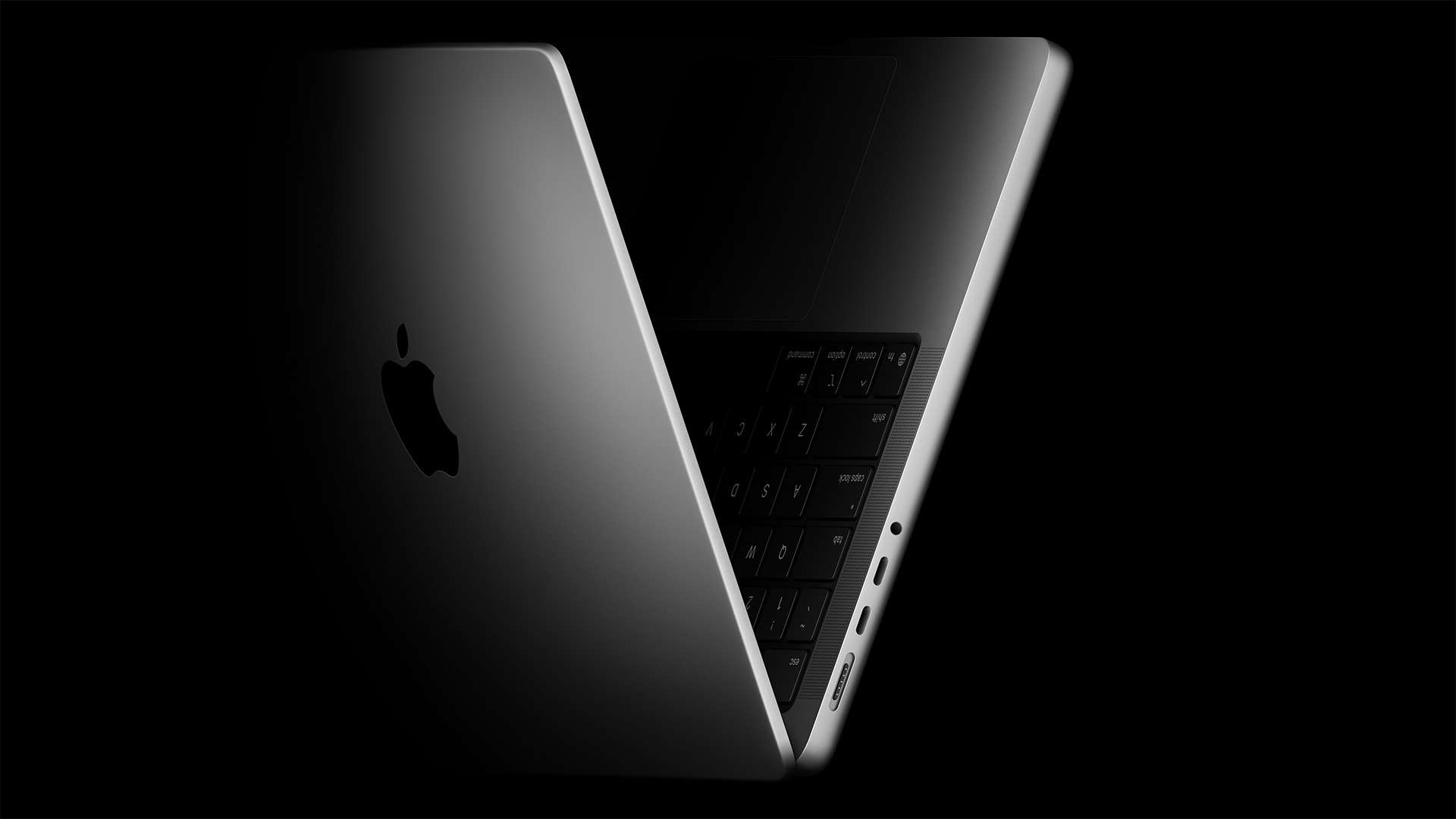
With his original MacBook Pro rendered unusable, the owner was left without a working machine. That’s when Apple store staff proposed an alternative: a replacement unit with specifications nearly identical to his old model. The catch? The replacement wasn’t what he expected. Instead of a mid-range or even a lower-end M-series MacBook Pro, he was handed a 16-inch model equipped with the powerful M4 Max chip—complete with a 14-core CPU and 32-core GPU—a configuration typically priced at $3,499.
The owner, who initially agreed to pay $328 for the battery replacement and an additional $201 for a nano-texture display upgrade on the new machine, was ultimately charged nothing. The final value of the device he received, based on its specifications, was estimated at around $4,353—a figure that suggests it may have included the top-tier configuration with 48GB of unified memory and a 2TB SSD.

This isn’t the first instance where Apple has inadvertently provided customers with significantly more powerful hardware in exchange for older models. In 2019, a similar scenario saw an Intel-based MacBook Pro replaced with an M5 model. While such incidents highlight Apple’s commitment to customer satisfaction—albeit unintentionally—they also raise questions about the company’s broader business practices, particularly regarding planned obsolescence.
The circumstances surrounding this upgrade remain speculative. One theory suggests that Apple store employees may have accidentally damaged the original device during the repair process, leading to the decision to compensate the owner with a higher-end model. Whether intentional or not, the outcome for the customer was undeniably favorable—a rare instance where a routine service visit resulted in a windfall of over $4,000.
For most consumers, upgrading to an M4 Max MacBook Pro involves a significant investment, with even the base 16-inch model costing $2,999. The owner’s experience, while extraordinary, serves as a reminder that Apple’s ecosystem—despite its reputation for precision and control—isn’t immune to human error or logistical oversights. It also underscores the potential consequences of a company’s product lifecycle strategies, where older models are gradually phased out in favor of newer, more capable hardware.
As Apple continues to refine its transition from Intel to its own silicon, such incidents may become more frequent, particularly as the company balances customer expectations with the realities of repair processes and inventory management. For now, the owner’s story stands as a testament to both the power of Apple’s hardware and the occasional serendipity that can arise in even the most mundane service interactions.