Apple’s next-generation iPhone lineup is poised for a significant change under the hood—not just in performance, but in how its displays are made. A quiet upheaval in the OLED supply chain has quietly reshaped Apple’s sourcing strategy, with Korean manufacturers now holding exclusive deals that were once contested by Chinese rivals.
This shift comes after multiple high-profile failures from China’s OLED producers, which left Apple scrambling for alternatives. The result? A renewed focus on Korean suppliers, who are now ramping up production for the iPhone 18 series. But what does this mean for users? Beyond the supply chain drama, the iPhone 18 is expected to feature a 6.1-inch OLED display with peak brightness of 2000 nits and an adaptive refresh rate of up to 120Hz—specs that promise a sharper, smoother experience than previous models.
Connectivity and Ports: A Familiar Layout with Subtle Tweaks
The iPhone 18’s connectivity remains largely unchanged from its predecessors, but with one notable exception. Apple has reportedly streamlined the port configuration to reduce bulk while maintaining all essential functionality. The device is expected to retain a single USB-C port for charging and data transfer, aligning with industry standards while avoiding the complexity of multiple ports seen in some competitors.
Display and Performance: Pushing the Boundaries
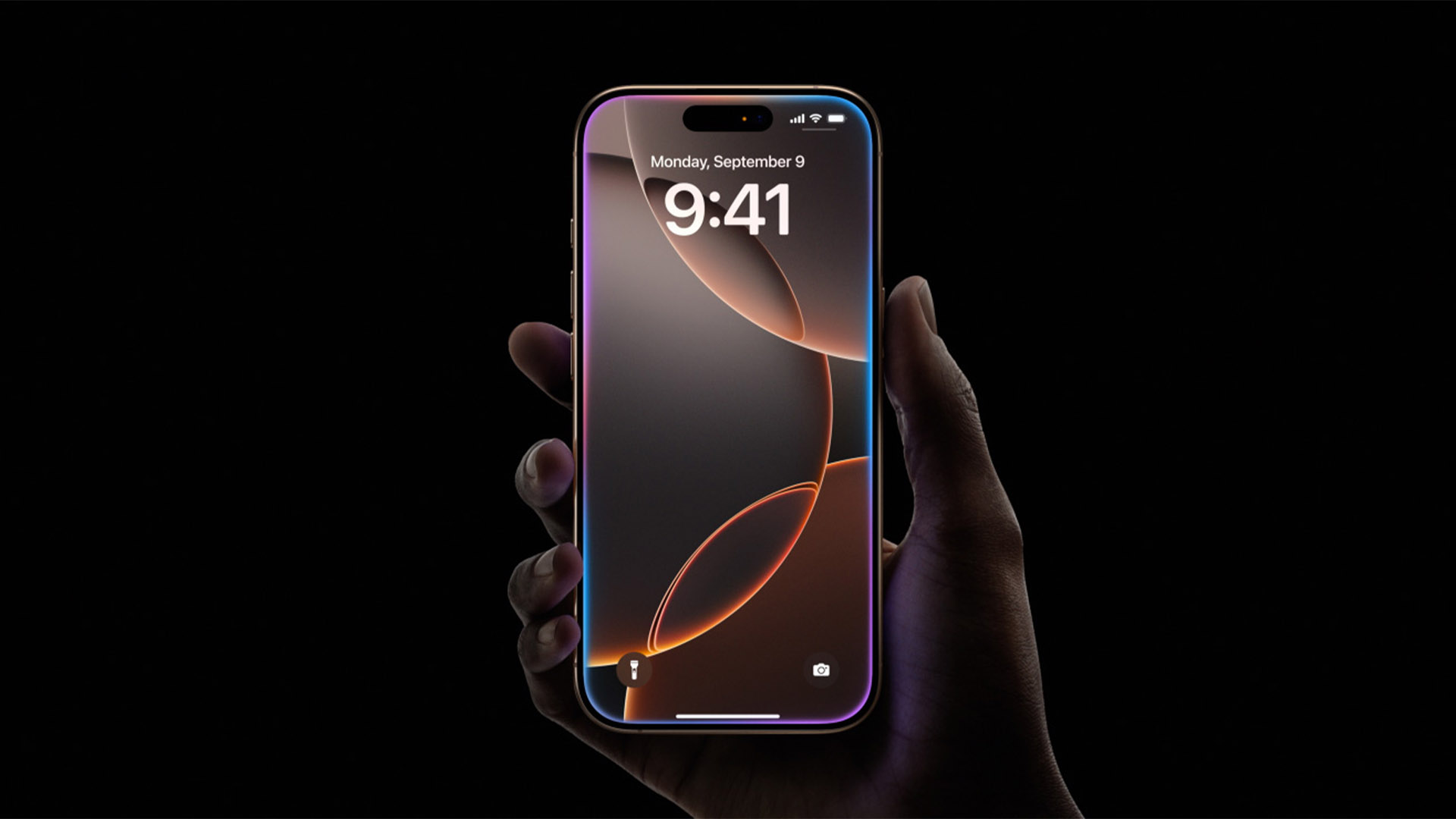
Under the surface, the iPhone 18’s display is where the most dramatic changes lie. The shift to Korean OLED suppliers has allowed Apple to refine its manufacturing process, resulting in displays with improved color accuracy and energy efficiency. While the exact specifications are still under wraps, benchmarks suggest a significant leap forward in brightness and contrast compared to previous models.
Key Specs
- Display: 6.1-inch OLED, peak brightness of 2000 nits, adaptive refresh rate up to 120Hz
- Ports/Connectivity: Single USB-C port for charging and data transfer, no significant changes from iPhone 17
- Performance: Expected to feature advanced chipset with improved efficiency and battery life
The iPhone 18’s display is likely to be a standout feature, but the real question for users is whether this shift in supply chain will translate into noticeable improvements. Early reports suggest that the new OLED panels may offer better outdoor visibility due to the higher brightness levels, making them more suitable for use in bright environments. However, the long-term reliability of these displays remains a point of speculation, given the rapid pace of production ramp-up.
What’s Next?
The iPhone 18 is expected to hit the market later this year, but the exact timing and pricing have yet to be confirmed. For IT teams evaluating Apple’s latest hardware, the focus should be on whether the supply chain shift will stabilize production and deliver consistent performance. While the specs are impressive, the true test will be in real-world usage—how these displays hold up over time and whether they justify the premium price tag.
One thing is clear: Apple’s move to secure exclusive OLED deals with Korean firms marks a pivotal moment in its hardware strategy. Whether this translates into better devices for users remains to be seen, but it’s a development worth watching closely.