The Ryzen 10000 series, codenamed 'Olympic Ridge,' is poised to mark a significant departure for AMD's desktop platform. Unlike its predecessors—Ryzen 7000 and 9000 series—this generation will no longer include an integrated graphics processing unit (GPU). Instead, the silicon real estate typically reserved for iGPUs will be repurposed for an integrated Neural Processing Unit (NPU), a shift that could either enhance local AI capabilities or leave a critical gap in basic system functionality.
This change comes at a time when most PC builds already pair dedicated GPUs with CPUs, leaving integrated graphics primarily as a fallback for debugging. However, the move raises concerns about whether an NPU can truly replace the versatility of an iGPU, especially in low-power or OEM systems where discrete GPUs are impractical. If the NPU achieves over 40 TOPS of compute power, it could pave the way for Copilot+ AI PC certification, but its real-world utility remains unproven.
Beyond the NPU, the platform introduces other notable advancements. The new client I/O die (cIOD) will support native CUDIMMs and CAMMs, alongside an upgraded EXPO 1.2 standard for DDR5 memory overclocking. These features aim to close the gap with Intel in memory performance, though their impact on everyday workloads is still unclear.
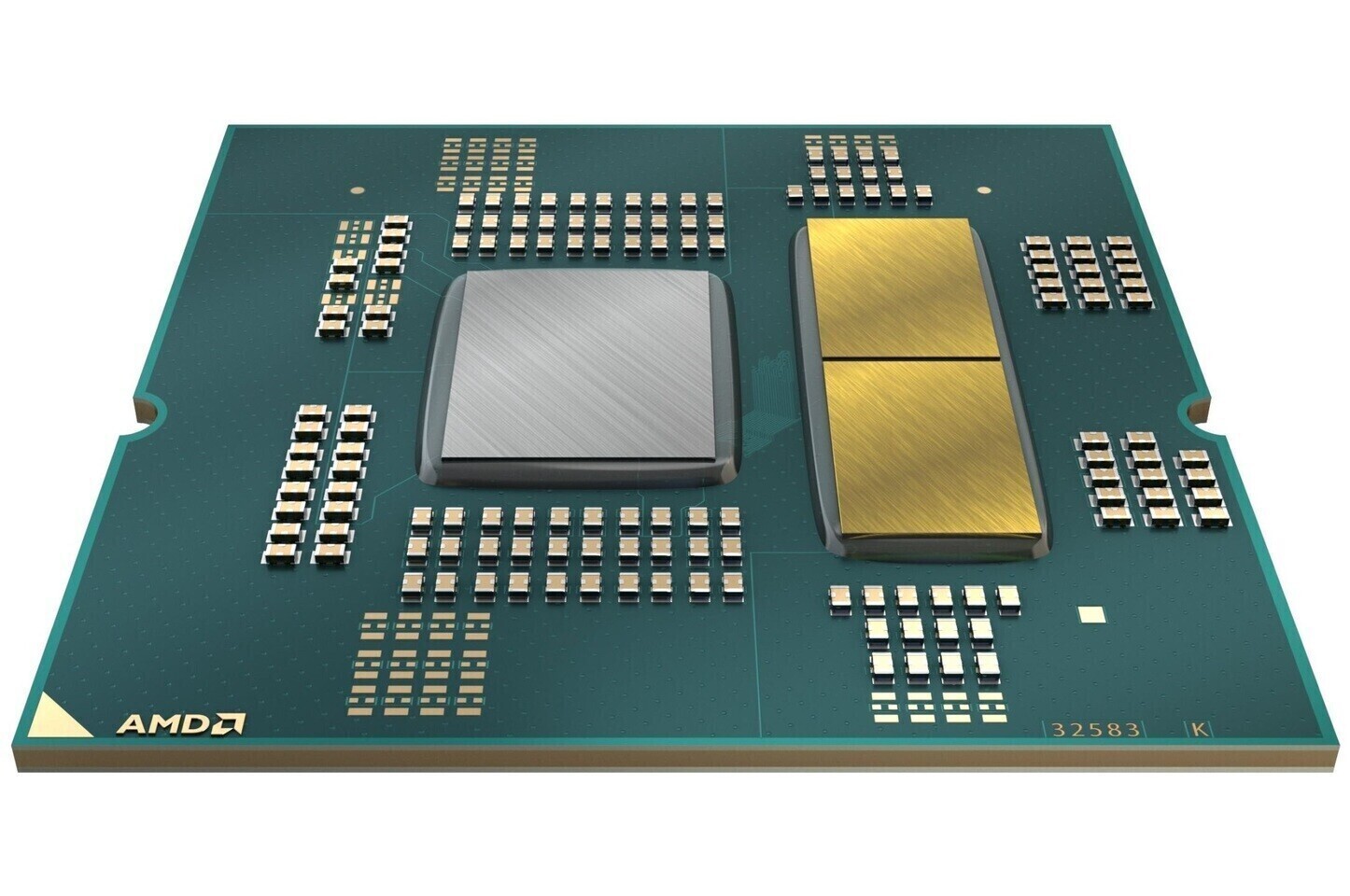
- Key specs:
- - Based on 'Zen 6' architecture
- - AM5 platform support
- - Integrated NPU (potentially 40 TOPS)
- - No integrated GPU
- - Native CUDIMM and CAMM support
- - EXPO 1.2 for DDR5 overclocking
While the NPU could theoretically offload AI tasks from the GPU, its practical benefits are uncertain. Most users rely on dedicated GPUs for graphics, leaving an iGPU as a necessary fallback for boot and basic display output. Without one, AMD risks alienating OEMs and low-power market segments where discrete GPUs aren't viable. The platform's focus on AI may appeal to enterprise buyers, but its long-term viability remains speculative.
The shift also reflects broader industry trends, such as TSMC's 2 nm process node for CPU cores and 3 nm for the I/O die, which could improve efficiency. However, whether these gains justify abandoning integrated graphics is still an open question. For now, AMD's strategy appears to prioritize AI over versatility—a gamble that may or may not pay off in the long run.