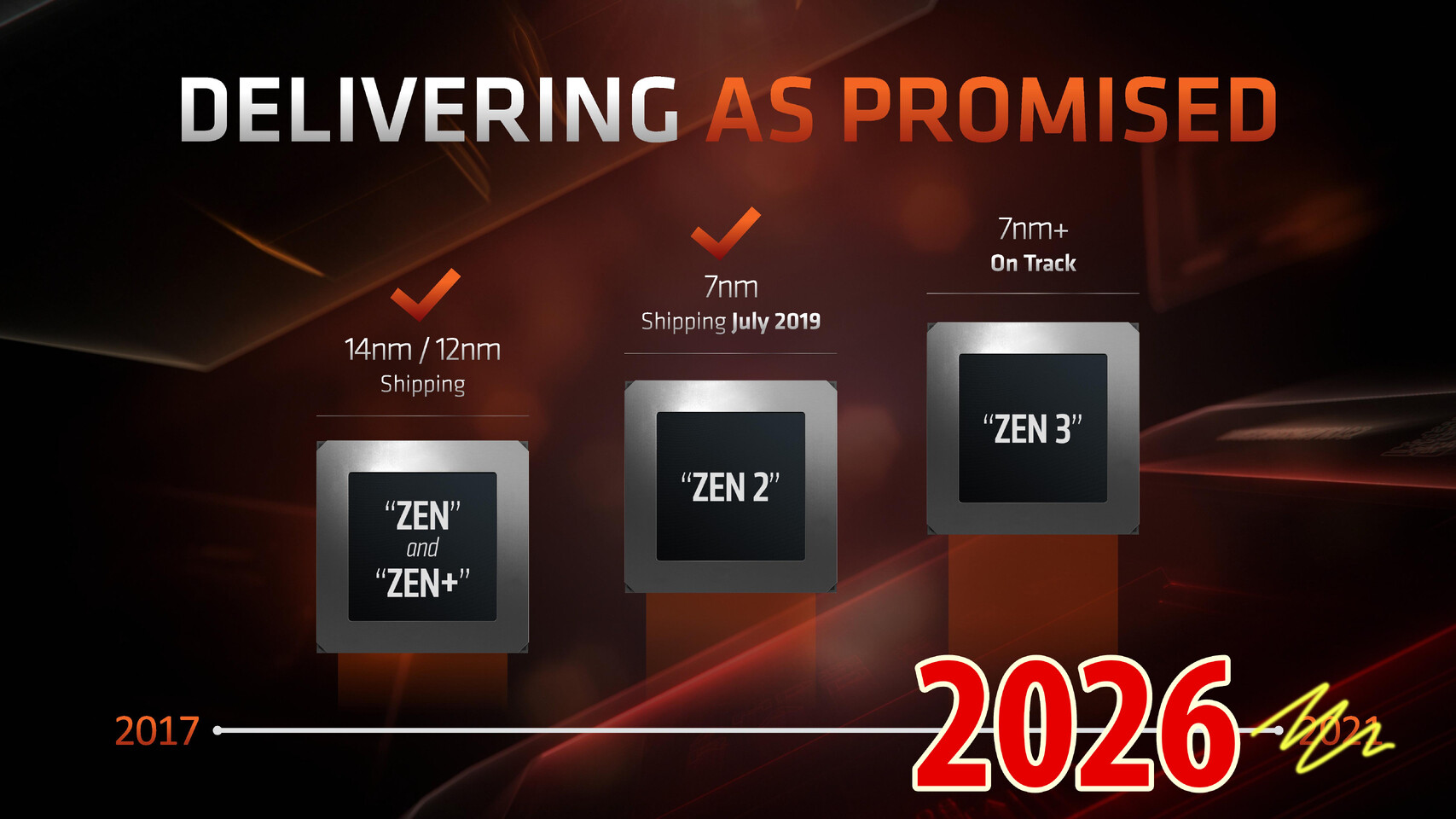
AMD’s latest processor lineup revives legacy architectures in a bid to extend their lifespan. The new Ryzen 7 4700LE, Ryzen 5 3501U, and Ryzen 3 3100U mark a return for Zen2 and Zen+ designs, catering to OEM systems where performance-to-power ratios remain critical.
Unlike modern offerings, these processors lack integrated graphics in the desktop variant, setting them apart from their contemporaries. The lineup spans from high-core-count desktop parts to low-power mobile chips, reflecting a strategic focus on cost-sensitive markets without sacrificing efficiency.
At a glance
- Ryzen 7 4700LE: Zen2-based, 8 cores / 16 threads, AM4 socket, 3.6 GHz base / 4.2 GHz boost, 65 W TDP.
- Ryzen 5 3501U: Zen+-based, 4 cores / 8 threads, 2.1 GHz base / 3.7 GHz boost, 15 W default TDP (configurable to 12–35 W).
- Ryzen 3 3100U: Zen+-based, 2 cores / 4 threads, 1.9 GHz base / 3.2 GHz boost, same TDP range.
- Both mobile variants feature Radeon Vega 8 iGPU (8 CUs @ 1.2 GHz), DDR4-2400 support, FP5 package.
The Ryzen 7 4700LE stands out as an OEM-only AM4 part, while the U-series chips target low-cost notebooks and embedded platforms. Their reintroduction suggests a pragmatic approach to filling gaps in AMD’s roadmap without the overhead of cutting-edge process nodes.
Why it matters
For PC builders, these processors offer a familiar performance baseline built on proven architectures, albeit with tradeoffs in power efficiency and integration. The absence of integrated graphics in the desktop variant may limit their appeal for all-in-one builds, but their low TDP configurations make them viable for compact or battery-powered systems.
AMD’s move underscores a trend where legacy designs are repurposed to extend product lifecycles—a strategy that balances innovation with practicality. While these chips won’t challenge newer generations in raw performance, they serve as a bridge for markets prioritizing stability over cutting-edge features.