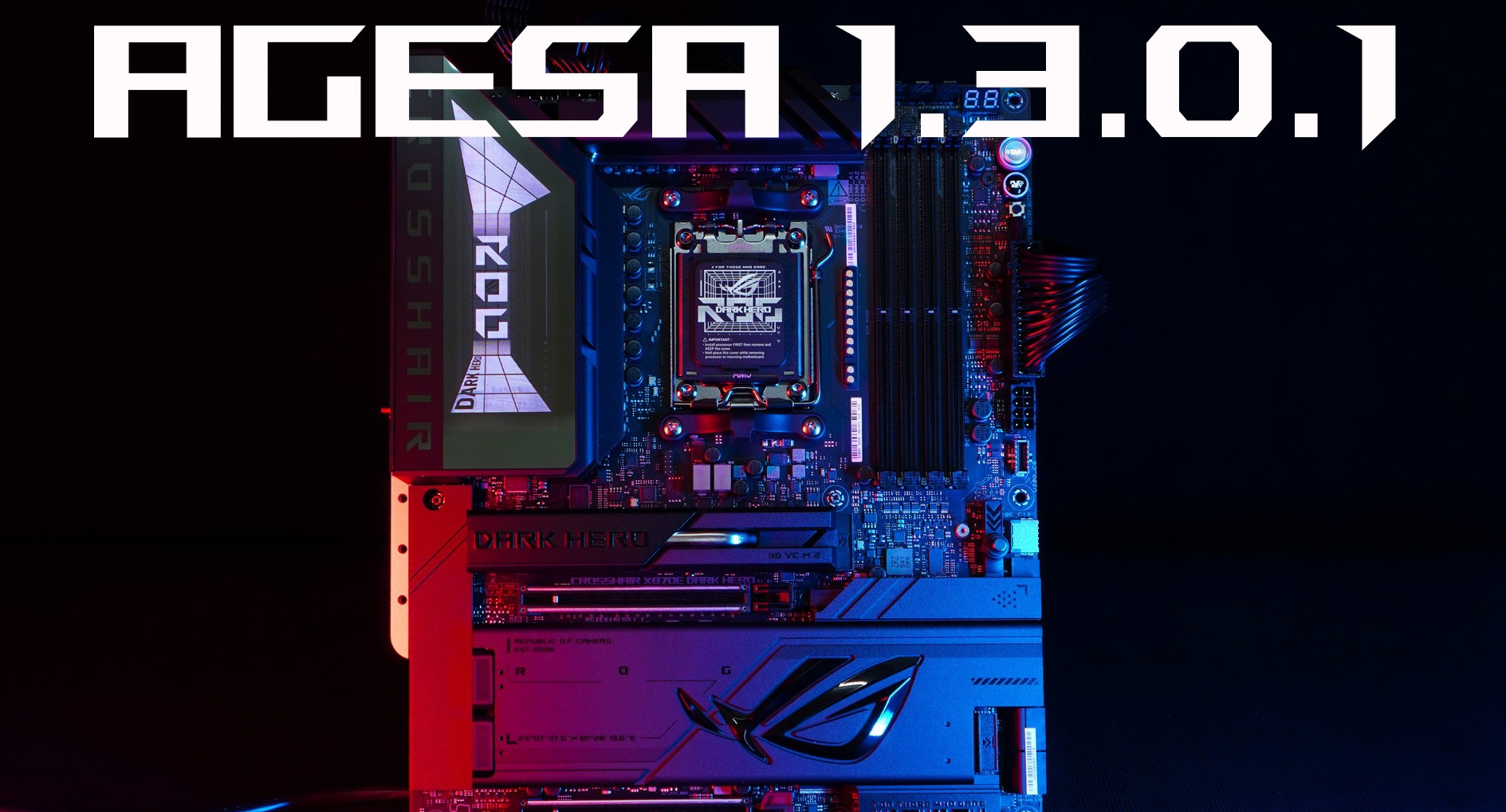
AMD's latest AGESA BIOS update, version 1.3.0.1b, is delivering a subtle but significant shift in how DDR5 memory operates on supported platforms. Unlike previous updates that focused primarily on performance gains, this one prioritizes efficiency—reducing power draw and heat output without compromising speed or stability.
What sets this update apart is its ability to maintain higher DDR5 clock speeds while lowering voltages more aggressively than before. Previous BIOS versions required systems to run hotter and consume more power to achieve the same memory performance. Now, that equation has changed, allowing for cooler operation at the same or even higher frequencies.
For small businesses running workstations or servers around the clock, this means less strain on cooling systems and lower electricity costs. The update is particularly beneficial for AM5-based platforms and select B650 chipsets, though older systems remain unaffected. This isn't just about raw benchmarks; it's about real-world efficiency gains that matter in environments where heat and power consumption are constant concerns.
Under the hood, the update refines DDR5 timing adjustments, reducing voltage margins while maintaining stability at frequencies up to 6,400 MHz. Early testing shows lower idle power consumption compared to previous versions, translating to less heat and longer component lifespans in dense computing setups. For end users who don't manually tweak memory settings, the difference is subtle but noticeable—systems stay cooler under load, fans operate more quietly, and power bills for always-on servers drop slightly.
For those willing to experiment, the update also unlocks tighter timings without stability risks, though overclocking enthusiasts may need to recalibrate their profiles. The focus on efficiency isn't just about saving watts; it's about extending hardware lifespans in environments where heat is a persistent challenge.
The update is available now for AM5-based systems and select B650 chipsets, with no additional cost since it's purely a software tweak. While the changes may not be immediately visible to casual users, the long-term benefits—quieter operation, lower power consumption, and reduced heat output—could make this one of AMD's most impactful silent upgrades yet.