AMD’s CPU pipeline for 2026 is shaping up to be one of its most ambitious in years, blending radical architectural upgrades with a strategic push into passively cooled and low-power markets. The centerpiece? A Zen 6 transition to TSMC’s 2 nm process for core dies and 3 nm for I/O, paired with a renewed focus on 3D V-Cache technology. But the real story isn’t just raw clock speeds—it’s about rethinking how these chips fit into systems where heat and power constraints once ruled out high-performance CPUs.
At the high end, AMD is readying a Ryzen 9 9950X3D2, a 16-core, 32-thread monster with 192MB of L3 cache—double the 9950X3D’s 96MB—and a 200W TDP. This isn’t just a tweak; it’s a direct response to Intel’s Core Ultra 200-series, which has dominated the high-end desktop space with integrated graphics and AI acceleration. The 9950X3D2, priced at $699, will arrive as part of a broader Ryzen 9000G series of APUs, merging CPU and GPU in a single chip for the first time in AMD’s desktop lineup since the Athlon 64 X2.
The 3D V-Cache Revolution Continues
AMD’s 3D V-Cache technology—first introduced with the Ryzen 9 5950X3D in 2022—is getting a second act. The Ryzen 7 9850X3D, launching January 29 for $499, retains the same 12-core, 24-thread configuration as its predecessor but refines the cache hierarchy for better latency-sensitive workloads. More intriguing is the Ryzen 5 7500X3D, a 6-core, 12-thread chip with 64MB of stacked L3 cache, priced at $299. This isn’t just an entry-level chip; it’s a $300 flagship for productivity workloads, competing directly with Intel’s Core i5-14600K while consuming a fraction of the power.
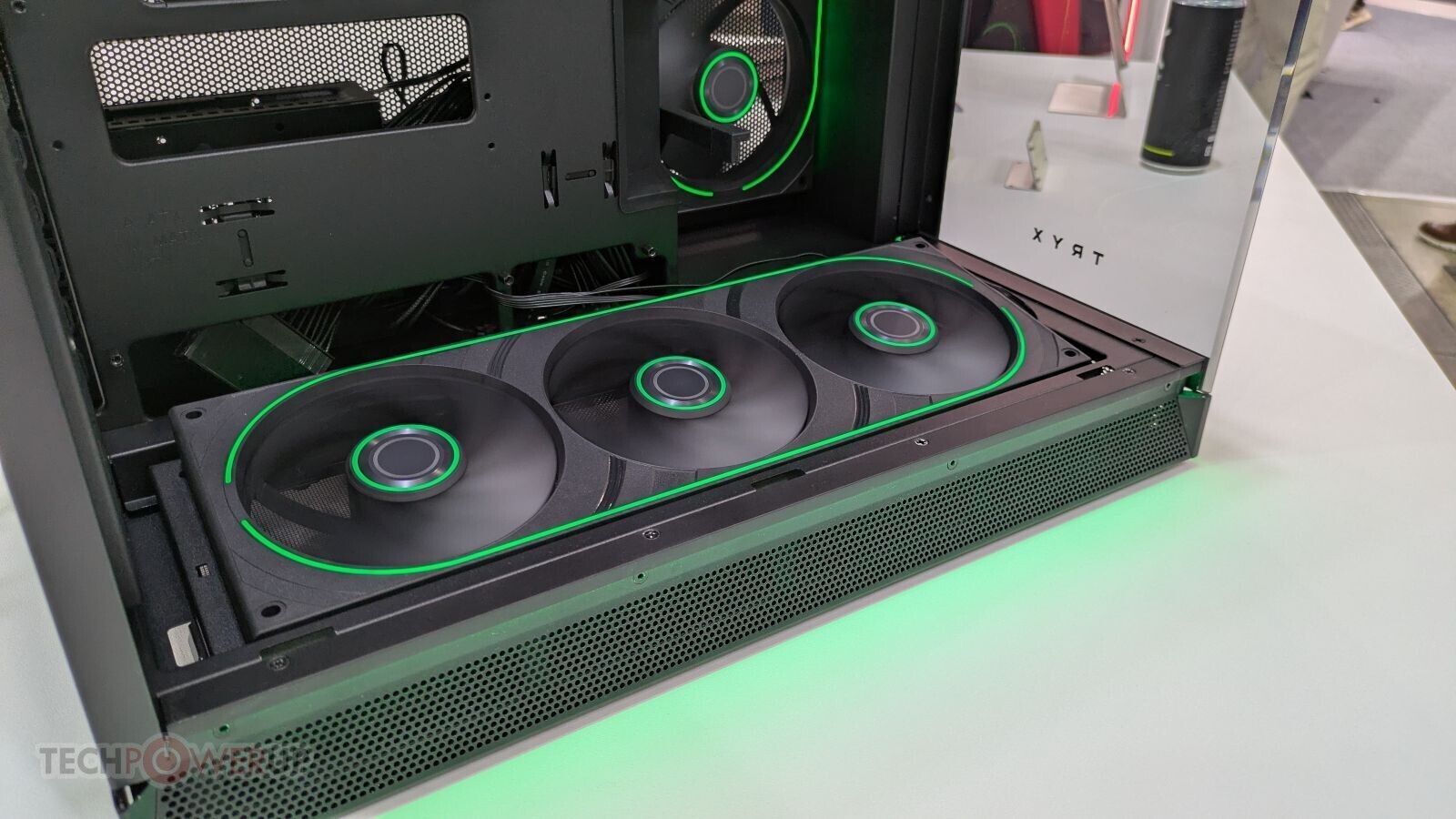
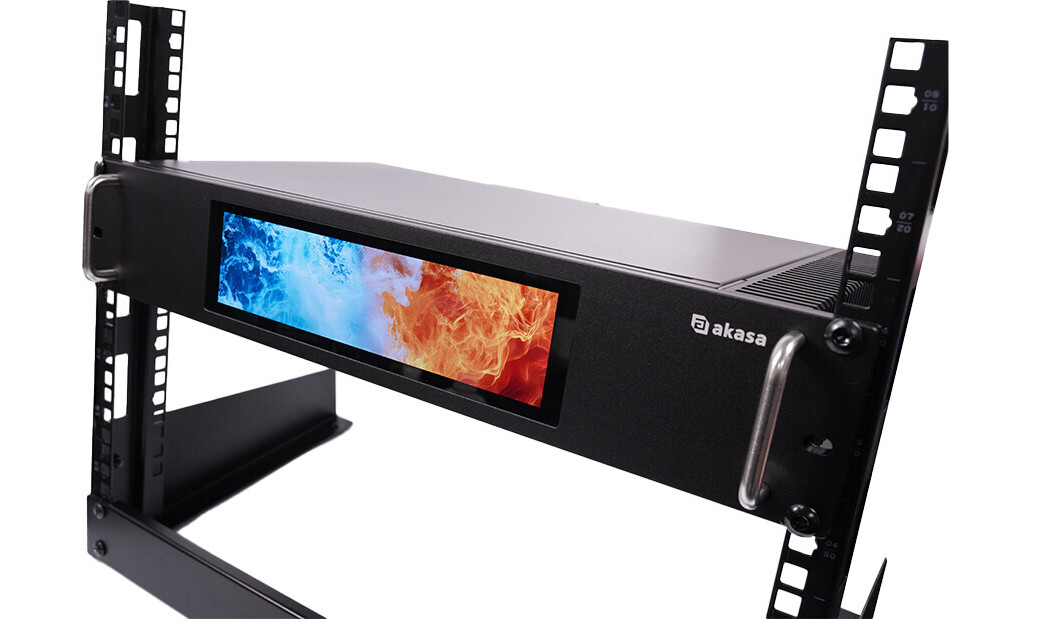
What makes these chips stand out isn’t just their cache—it’s their thermal efficiency. The 7500X3D, for example, operates at a 65W TDP, making it viable for passively cooled systems where traditional high-end CPUs would overheat. This aligns with a broader industry shift toward fanless and low-power enclosures, as seen in Akasa’s recent Kepler, Maxwell Pro Plus, and Euler CMX chassis, which embed LCD screens for industrial and digital signage use.
Who’s This For?
The 9950X3D2 and 9850X3D are clear targets for content creators, 3D rendering professionals, and high-end gamers who need brute-force performance without sacrificing single-threaded speed. The Ryzen 9000G APUs, however, mark a pivot toward integrated graphics markets—think digital signage, thin clients, and industrial PCs where discrete GPUs are overkill. The 7500X3D, with its 35W TDP, bridges the gap between mainstream and low-power segments, ideal for home theaters, compact workstations, and even Steam Deck-like devices.
But the most disruptive aspect may be AMD’s push into 2 nm. While the company has been quiet on exact release timelines, leaks suggest the Ryzen 9000G series will be the first to leverage this process, offering 20-30% IPC gains over Zen 4. Combined with 3D V-Cache, these chips could redefine what’s possible in passively cooled systems, where thermal throttling has long been a limiting factor.
What’s Next?
CES 2026 will be the stage for these launches, with the Ryzen 5 7500X3D likely taking center stage as AMD’s most accessible high-performance chip yet. The Ryzen 9000G APUs will follow, targeting markets that have historically relied on Intel’s integrated graphics or NVIDIA’s low-end GPUs. As for the 9950X3D2, expect it to arrive later in the year, positioning AMD to challenge Intel in the high-end desktop space where every millisecond of latency—and every watt of power—matters.
The bigger question is whether these chips will spur a fanless revolution. With Akasa and other vendors already building LCD-equipped, passively cooled enclosures, AMD’s low-TDP CPUs could finally make high-performance computing accessible in retail displays, kiosks, and even automotive infotainment—without the need for noisy cooling fans.