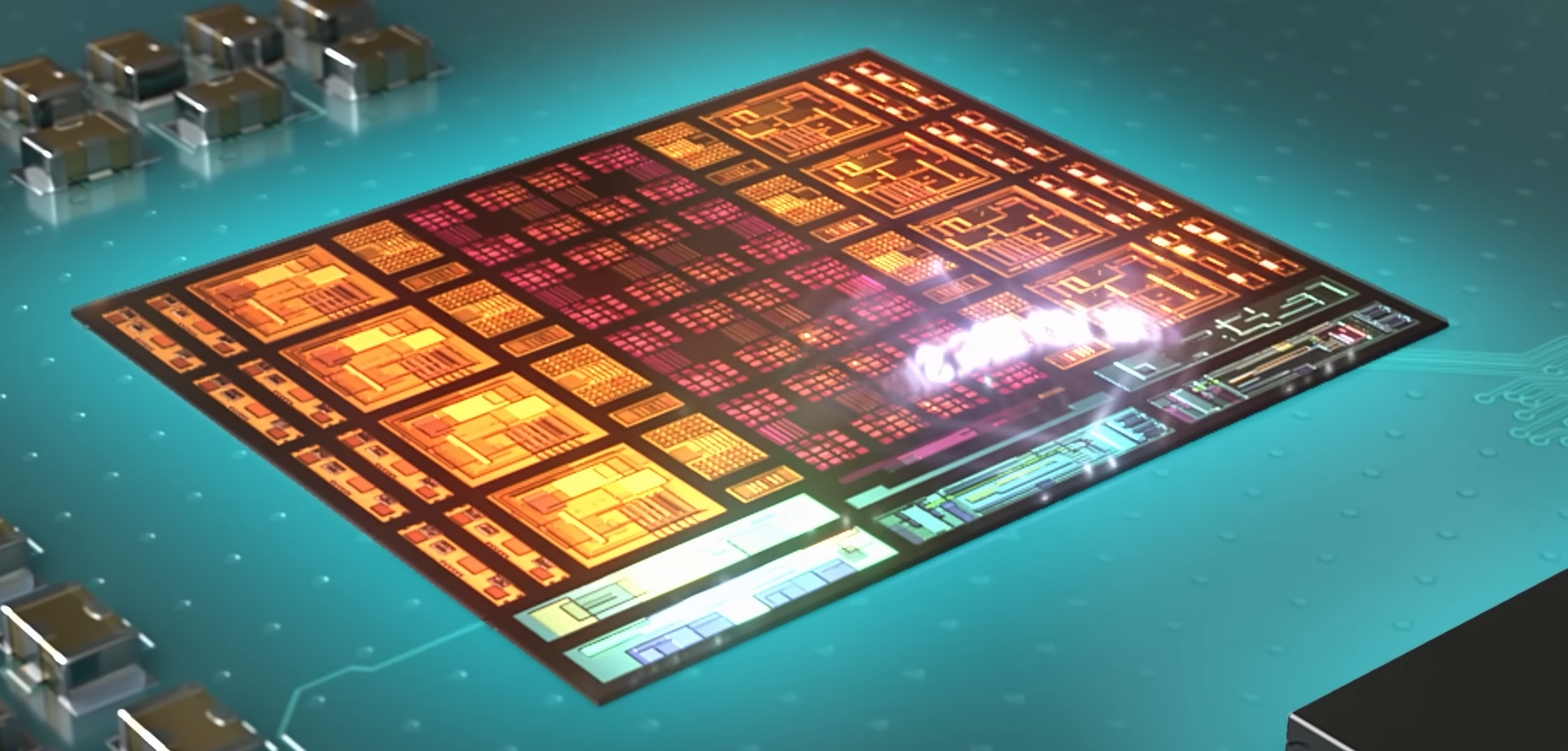
Enterprise buyers face a familiar tradeoff when considering GPU upgrades: raw power versus price. The latest hints from AMD suggest that its upcoming RDNA 5 architecture—dubbed GFX1310 internally—could deliver significant shader performance gains, but the full picture remains unclear.
The core innovation lies in a fully functional dual-issue pipeline for vector operations (VOPs). Unlike earlier RDNA generations, this time AMD is promising broader compatibility with fused multiply-add (FMA) instructions and relaxed register constraints. If realized, this could finally bridge the gap between theoretical FP32 compute peaks and actual game performance—a longstanding frustration for developers and users alike.
RDNA 5 builds on lessons from RDNA 3, where a limited dual-issue pipeline was often bypassed by compilers or drivers. The new design aims to remove those barriers, allowing more efficient use of arithmetic logic units (ALUs). While details like memory bus width (rumored at 384-bit) and power limits (around 500W) are still under wraps, the focus on shader optimization suggests a shift toward higher efficiency in modern games—especially those leveraging 4K resolution and HDMI 2.1 features.

What’s Changing Under the Hood
- The dual-issue pipeline now supports a broader range of VOP instructions, including critical FMA variants previously excluded.
- Wave32 mode is no longer a strict requirement, freeing up register usage and potentially improving occupancy rates in compute units.
- Early compiler patches hint at improved FP32 utilization, though real-world impact will depend on driver exposure and game optimizations.
The architecture also teases next-gen features like neural rendering, ML-based upscaling, and advanced ray tracing—part of AMD’s FSR Diamond project. However, whether these will translate to tangible performance gains remains an open question.
Why It Matters for Buyers
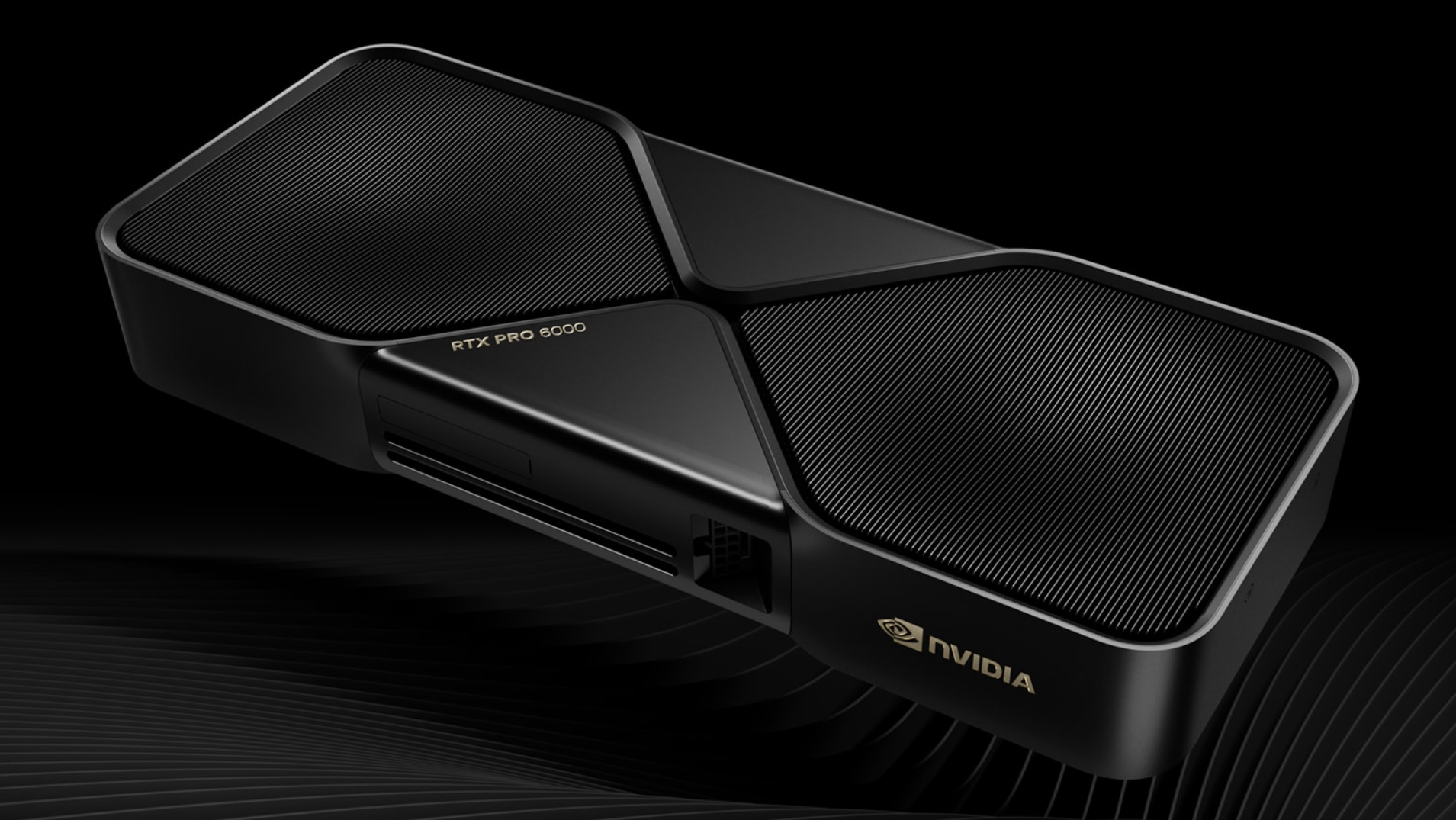
For enterprises, the stakes are clear: RDNA 5 could redefine what’s possible in high-end gaming and professional workloads, but adoption hinges on two factors. First, will AMD avoid past pitfalls by ensuring full driver support? Second, how does this compare to competitors like NVIDIA’s Blackwell or Ampere architectures?
Early speculation points to a 2026 launch, but with RDNA 4 still in its infancy, buyers should treat timelines as tentative. The real test will be whether AMD can turn hardware improvements into measurable speedups—without leaving legacy GPUs like the RX 5000 or RX 6000 series behind.
What to Watch Next
Confirmed: A dual-issue pipeline with expanded VOP support, potential 384-bit memory and 500W power limits, and next-gen rendering features. Unconfirmed: Final specifications, launch timeline, and whether software will live up to the hardware’s promise.