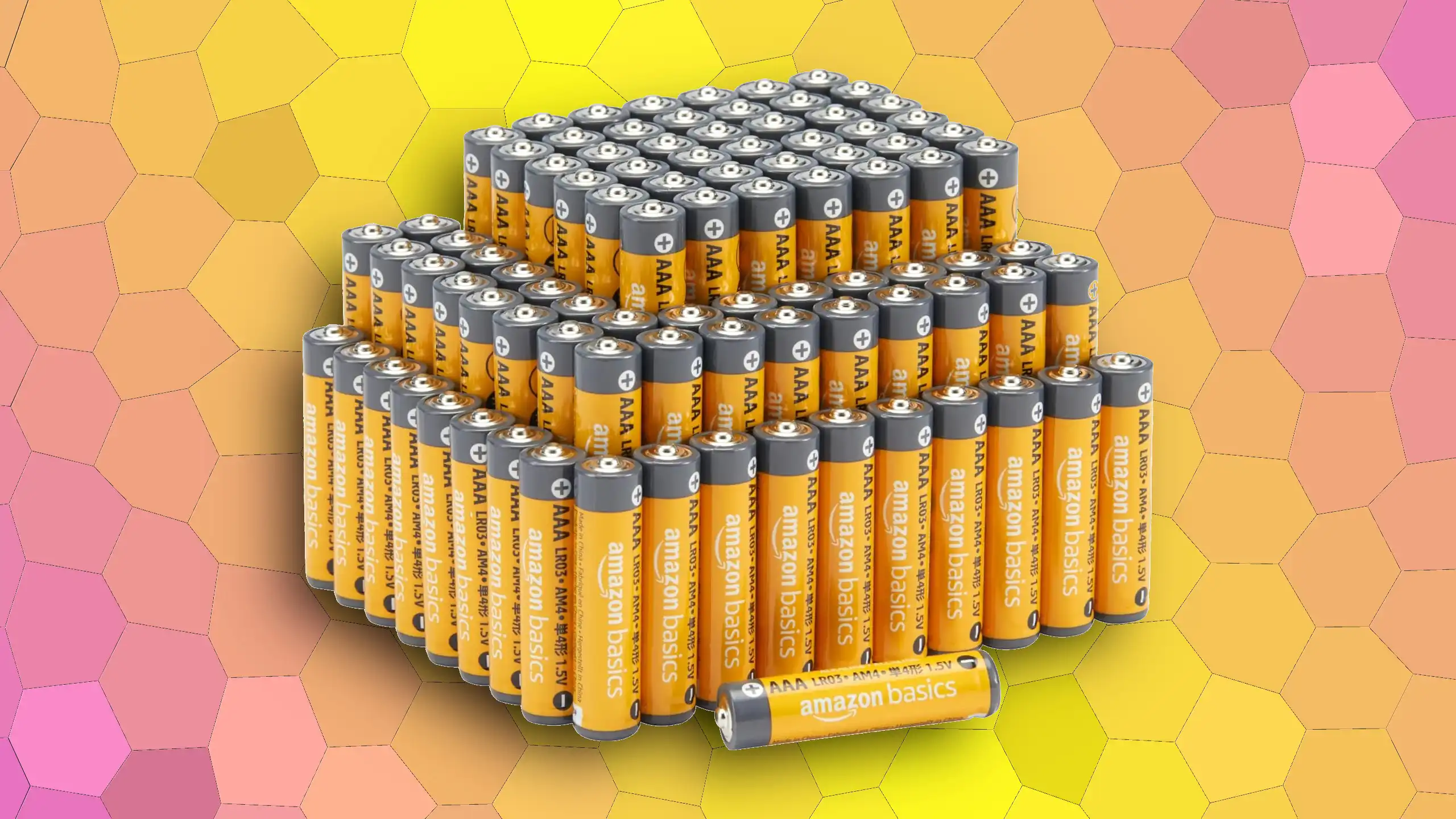
When you buy an AmazonBasics battery, you’re not just getting a product with the familiar blue logo—you’re tapping into a carefully orchestrated supply chain that spans continents. Behind every pack lies a network of factories, quality checks, and logistics that ensure consistency across millions of units sold annually. But how exactly does this system work, and who are the actual manufacturers supplying these batteries?
The AmazonBasics line, launched in 2011 as part of Amazon’s private-label expansion, quickly became a staple for budget-conscious consumers. Over the years, it has grown to include everything from AA cells to high-capacity power banks, all while maintaining a reputation for affordability without sacrificing core functionality. Yet, despite its prominence on shelves and in online carts, the identities of the factories producing these batteries have remained largely opaque—until now.
From design to shelf: the AmazonBasics battery lifecycle
The journey of an AmazonBasics battery begins with a set of stringent technical requirements. Unlike some competitors that prioritize cost-cutting at the expense of performance, Amazon’s in-house team specifies exact benchmarks for runtime, charge cycles, and safety certifications. These specs are then sent to a curated list of manufacturers, most of which operate under long-term contracts and undergo rigorous audits to ensure compliance with Amazon’s standards.
One key detail that sets AmazonBasics apart is its emphasis on global sourcing with localized assembly. While some components may originate in Asia, final packaging and quality control often take place closer to major markets—such as the U.S., Europe, or India—to reduce transit times and meet demand more efficiently. This approach allows Amazon to balance cost with speed, a critical factor given its fast-moving e-commerce model.
The manufacturing ecosystem
- Primary assembly: Multiple factories across Asia, with some operations in Mexico and Turkey for regional distribution.
- Battery cells: Sourced from established names like Panasonic and Enersys, ensuring industry-standard performance.
- Packaging: Custom-branded sleeves and cartons produced by dedicated suppliers, often co-located with assembly lines to streamline logistics.
Despite this global footprint, Amazon maintains a tight rein on production. Unlike some private-label brands that outsource entirely to third parties, AmazonBasics retains control over design, branding, and quality assurance. This hands-on approach explains why the line has managed to avoid the pitfalls of inconsistent performance that plague some budget competitors.
Quality controls and the ‘Amazon effect’
The real innovation in AmazonBasics isn’t just in sourcing—it’s in how Amazon applies its signature operational rigor to a consumer product. Every batch of batteries undergoes multi-stage testing, including random sampling for charge retention, leakage resistance, and durability under extreme temperatures. These checks are conducted by both the manufacturing partners and Amazon’s internal labs, creating a dual layer of oversight.
This level of scrutiny is rare in the battery market, where many private-label lines rely on single-source suppliers with less transparency. For consumers, it translates to a product that meets expectations without the premium price tag. However, this system isn’t without its trade-offs. The extensive vetting process can lead to longer lead times for new products compared to competitors who prioritize speed over control, and the reliance on established cell manufacturers limits innovation in battery chemistry.
Looking ahead, AmazonBasics is poised to expand its battery portfolio with a focus on rechargeable formats, particularly in response to growing demand for sustainable energy solutions. While the brand’s reputation remains tied to affordability, its ability to scale production without compromising quality sets it apart in an increasingly crowded market.
For developers and power tool users, this means a steady supply of reliable, budget-friendly batteries—without the guesswork about who stands behind them.