The cost of advanced backside finless (ABF) substrates is set to climb sharply, with one major supplier announcing price increases of up to 30%. This shift reflects a deepening imbalance between supply and demand that shows no sign of easing, even as AI-driven workloads push thermal limits. The move underscores the engineering tradeoffs now shaping high-performance hardware design.
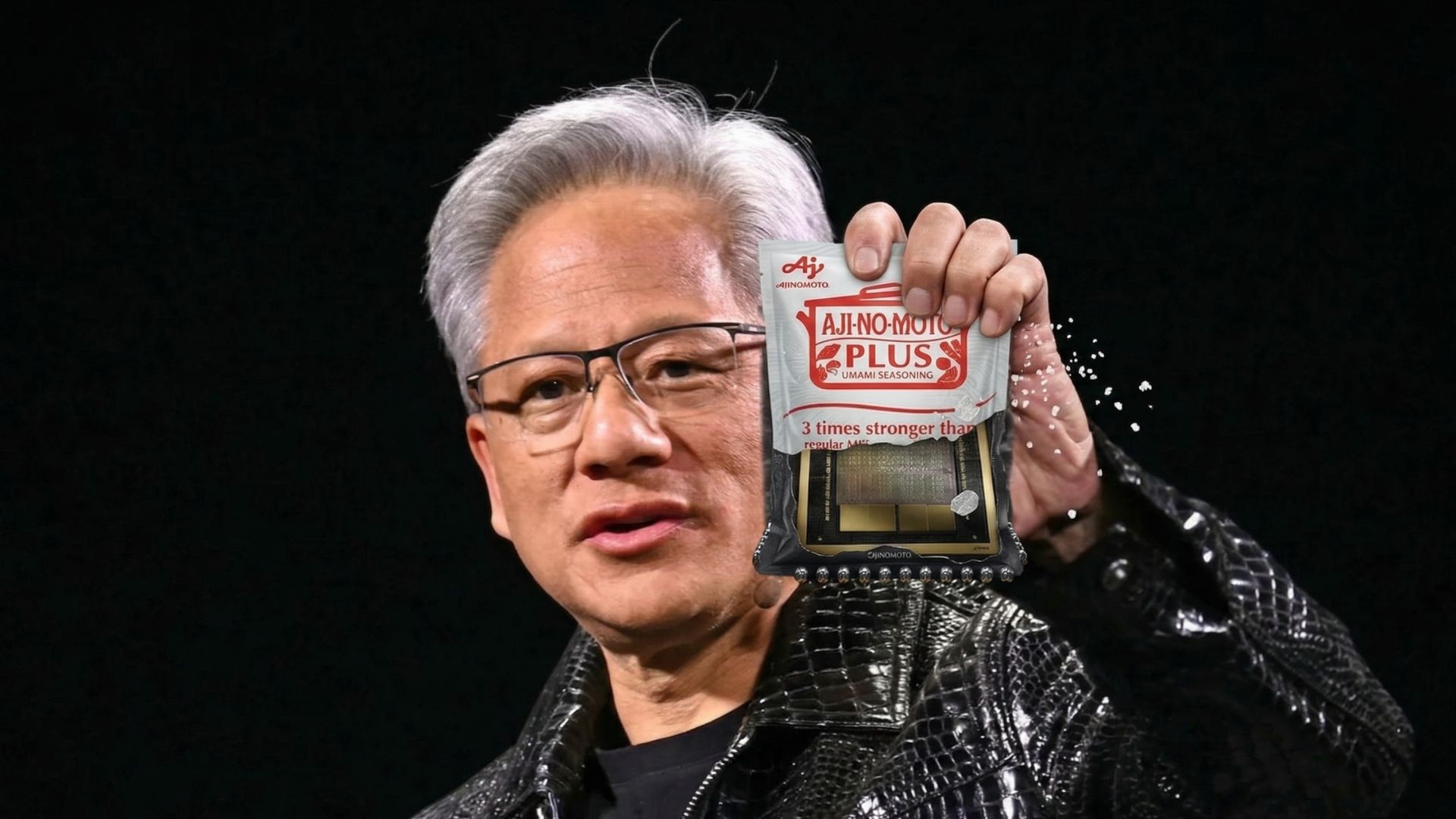
Ajinomoto, a key player in substrate manufacturing, is among those adjusting pricing to reflect rising material costs and constrained production capacity. The supply-demand gap, already stretching into 2027, is being driven by the surging need for substrates optimized for AI accelerators and next-generation processors. These components demand not only higher performance but also tighter thermal management, placing pressure on both suppliers and designers.
At the heart of this imbalance lies the balance between silicon efficiency and heat dissipation. ABF substrates are favored in high-end chips because they improve signal integrity while keeping power consumption in check. However, as AI workloads become more complex, the demand for even more efficient packaging solutions is outpacing the industry’s ability to scale production. This mismatch forces engineers to prioritize thermal performance over cost, a dynamic that will likely persist for years.
- ABF substrates are critical for high-bandwidth, low-latency applications but require precise manufacturing processes.
- Thermal constraints are becoming the primary bottleneck in AI hardware design, not just computational limits.
- Suppliers are raising prices to offset increased material costs and limited capacity, with no immediate relief expected.
- The gap between supply and demand is projected to widen before stabilizing, extending industry strain into 2027.
For creators and hardware designers, this means a period of heightened innovation but also tighter margins. The push for efficiency will continue to dominate discussions around AI infrastructure, with thermal management emerging as the next frontier in performance optimization. As demand remains strong, the industry must find ways to bridge the gap without sacrificing the advancements that make ABF substrates indispensable.