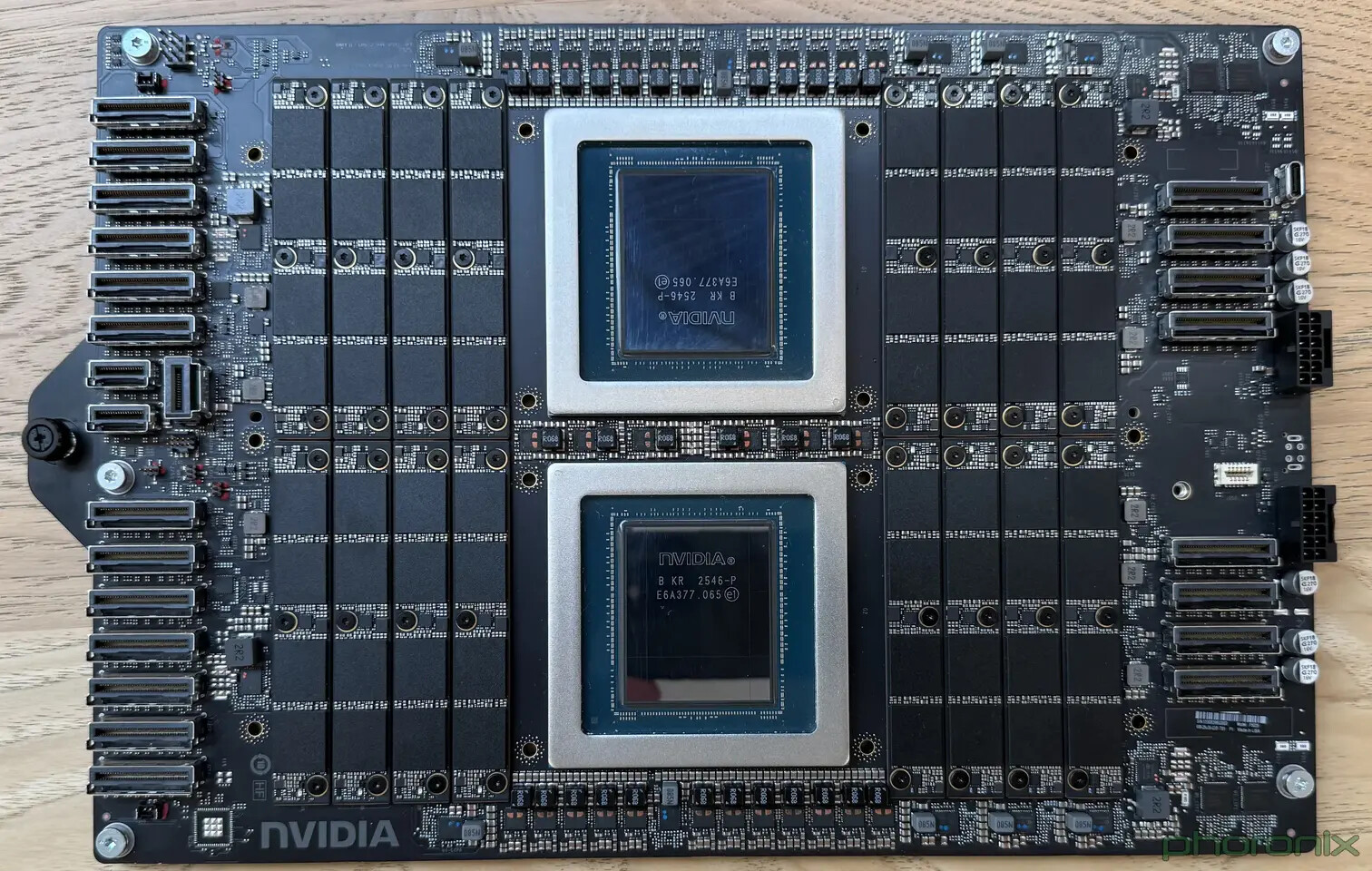
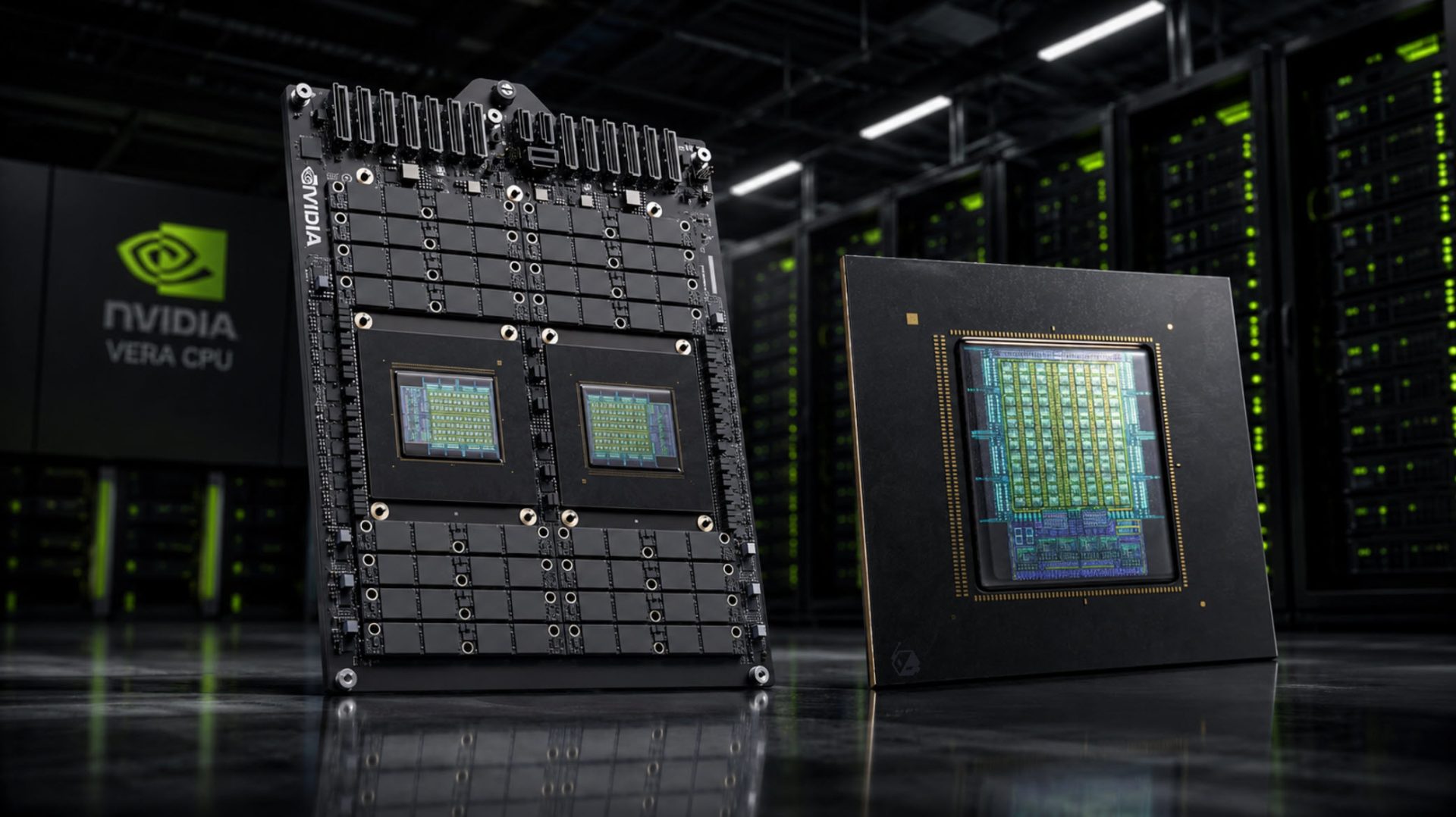
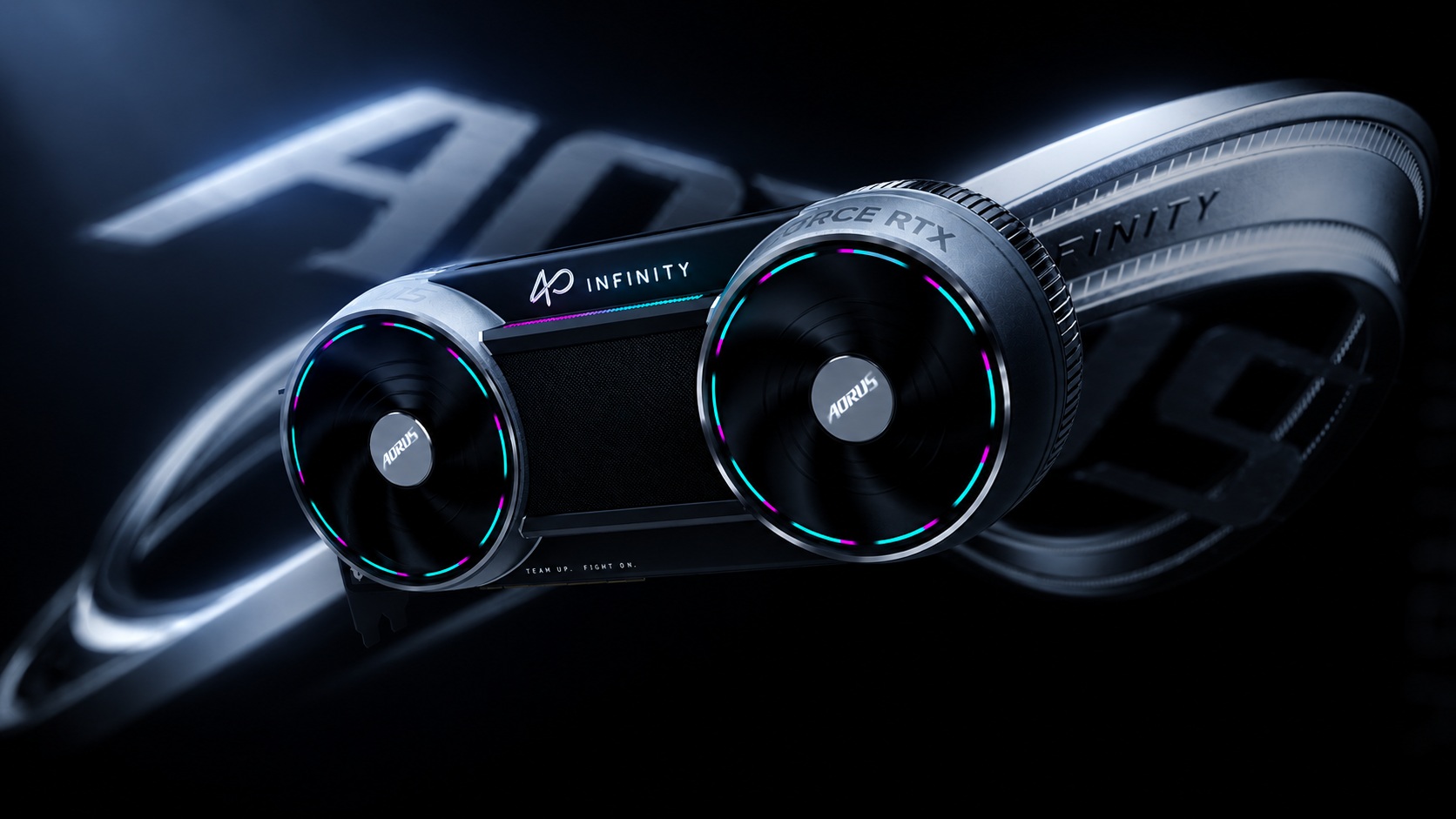
development is pushing hardware limits, forcing developers to balance raw performance against thermal constraints. A new GPU from Microsoft introduces 128GB of HBM3 memory, promising significant gains for AI workloads—but at what cost?
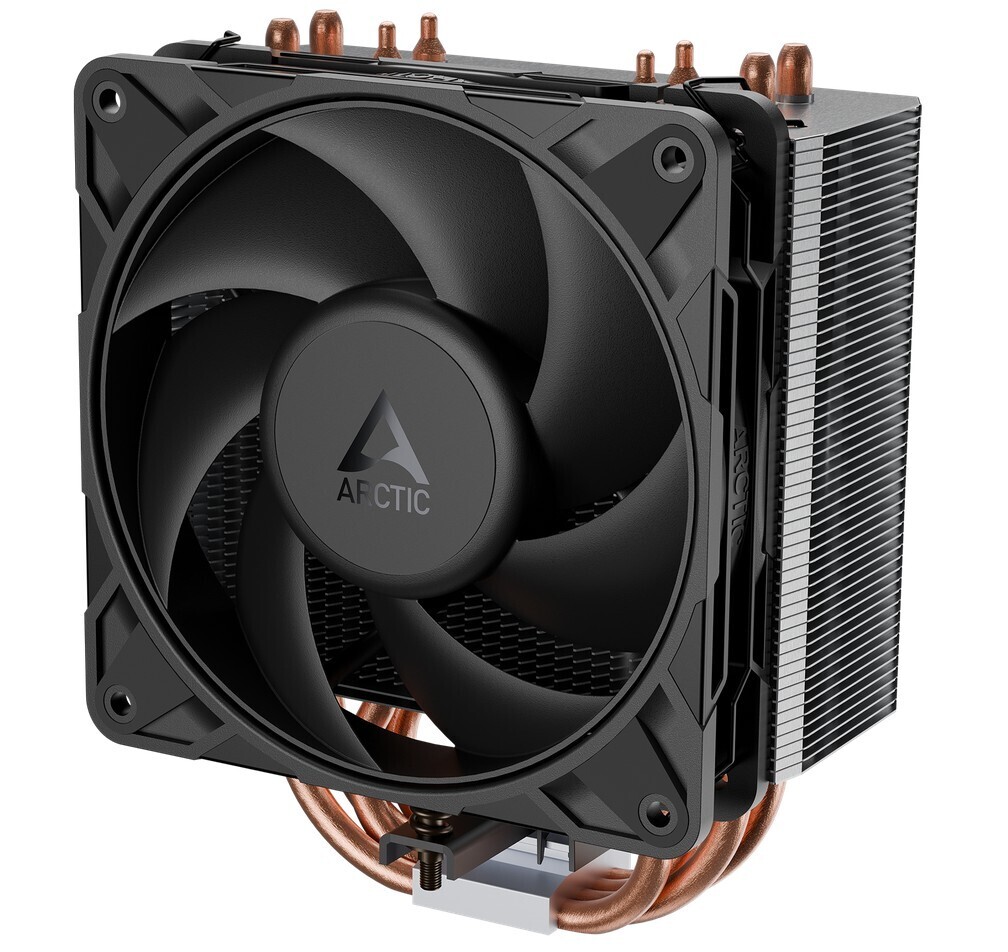
The tradeoff between efficiency and heat dissipation has become a defining challenge in modern computing. While the GPU delivers impressive specs—including a clock speed of 2.9 GHz—the reality is that sustained performance may hinge on how well cooling systems can keep up with the thermal demands of AI tasks.
Key Specifications and Challenges
- Memory: 128GB HBM3 (2TB/s bandwidth)
- Compute: 96 CUDA cores, 2.9 GHz clock speed
- Power Draw: Up to 450W under load
The GPU’s memory capacity is a standout feature, offering nearly double the bandwidth of previous generations. However, this comes with a caveat: the increased power draw and heat output could strain existing cooling solutions, especially in dense AI clusters.

Pricing and Availability: What Developers Need to Know
While Microsoft has confirmed the GPU’s specifications, details on pricing and availability remain unclear. Early estimates suggest a premium positioning, which may limit adoption for smaller teams or budget-conscious projects. Supply chains could also become a bottleneck, given the current demand for high-end AI hardware.
A reality check is in order: even with these advancements, the GPU’s long-term efficiency depends on how well Microsoft addresses thermal throttling and power consumption. Without clear answers, developers may need to weigh the benefits against potential limitations before committing.
For now, the focus remains on whether this GPU can deliver on its promise without sacrificing stability or performance. The roadmap for future iterations will be critical in determining if Microsoft has struck the right balance—or if AI’s efficiency challenge is far from over.