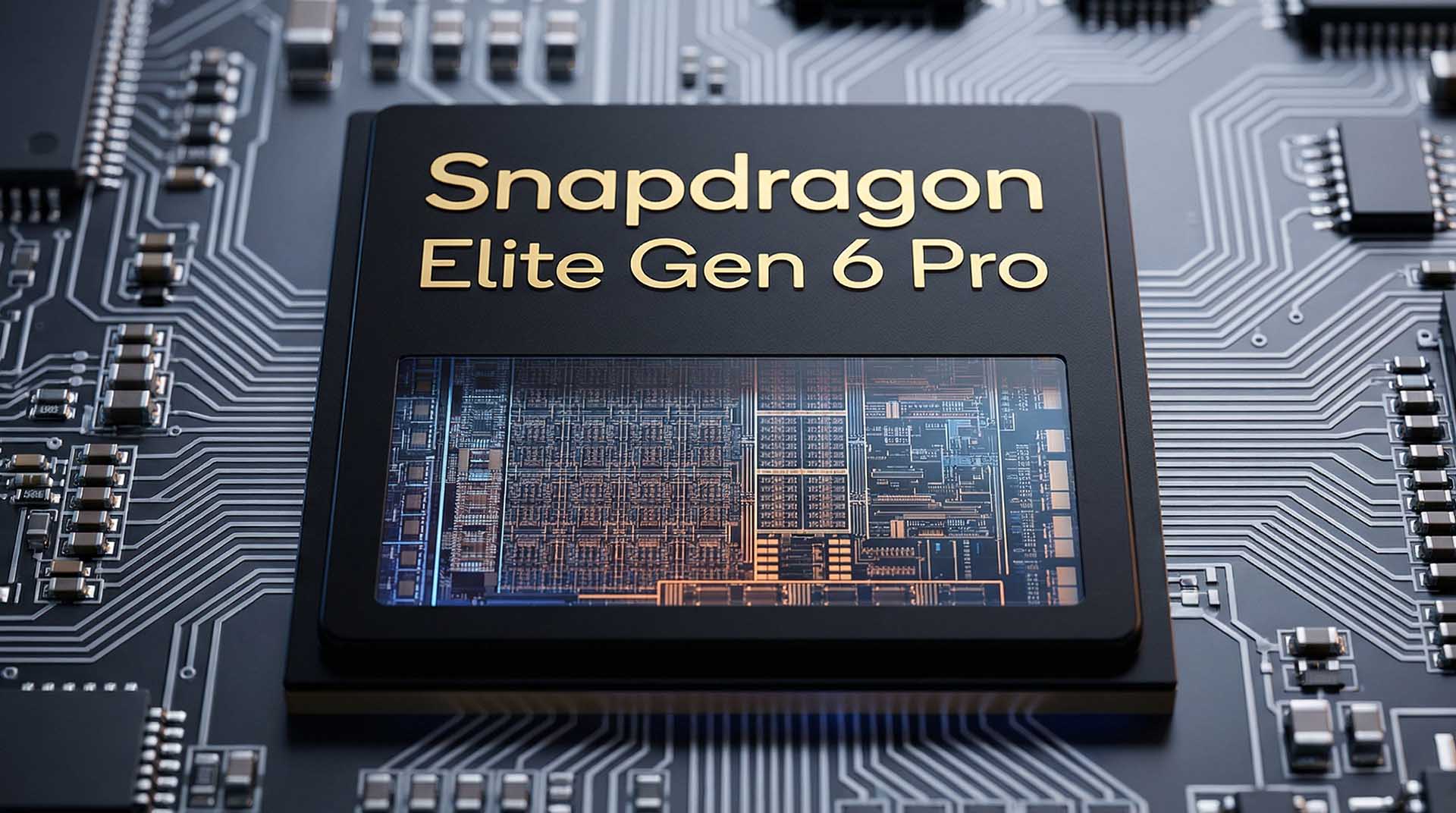
The Snapdragon 8 Elite Gen 6 Pro is poised to redefine the boundaries of mobile computing, particularly for gamers who demand both high performance and energy efficiency. At its core, this new chip introduces an unprecedented shared L2 cache configuration that Qualcomm claims will deliver industry-leading latency reduction while maintaining power efficiency—a critical balance for devices that push sustained workloads.
This shift toward a larger shared L2 cache is not just about raw performance; it’s about how data moves through the system. Traditional mobile SoCs often rely on smaller, per-core caches or distributed L2 structures, which can introduce bottlenecks when multiple cores compete for resources. The 8 Elite Gen 6 Pro addresses this by centralizing a significant portion of the cache, allowing for smoother data flow and reduced stalling during intensive tasks—whether that’s rendering frames in a fast-paced game or processing complex AI workloads.
Why a Shared L2 Cache Matters
The shared L2 cache in the Snapdragon 8 Elite Gen 6 Pro is not just larger than what we’ve seen before; it’s structured to minimize contention between cores. This means that when one core is handling a demanding task, others aren’t forced to wait as long for access to shared resources. For gamers, this translates to fewer hitches during gameplay and more consistent frame rates, even under heavy loads. The trade-off, of course, lies in the complexity of managing such a large cache, but Qualcomm appears to have optimized the architecture to mitigate any potential downsides.
Key Specifications
- Shared L2 Cache: Up to 16MB (highest among mobile SoCs)
- CPU Cores: 1x Cortex-X4 (prime), 3x Cortex-A720 (performance), 4x Cortex-A520 (efficiency)
- GPU: Adreno 840 with variable-rate shading and hardware-accelerated ray tracing
- Memory Support: LPDDR5X up to 3200MHz, LPDDR4X for cost-sensitive designs
- Storage: UFS 4.0 support (up to 1TB)
- Connectivity: X75 5G modem with sub-6GHz and mmWave support
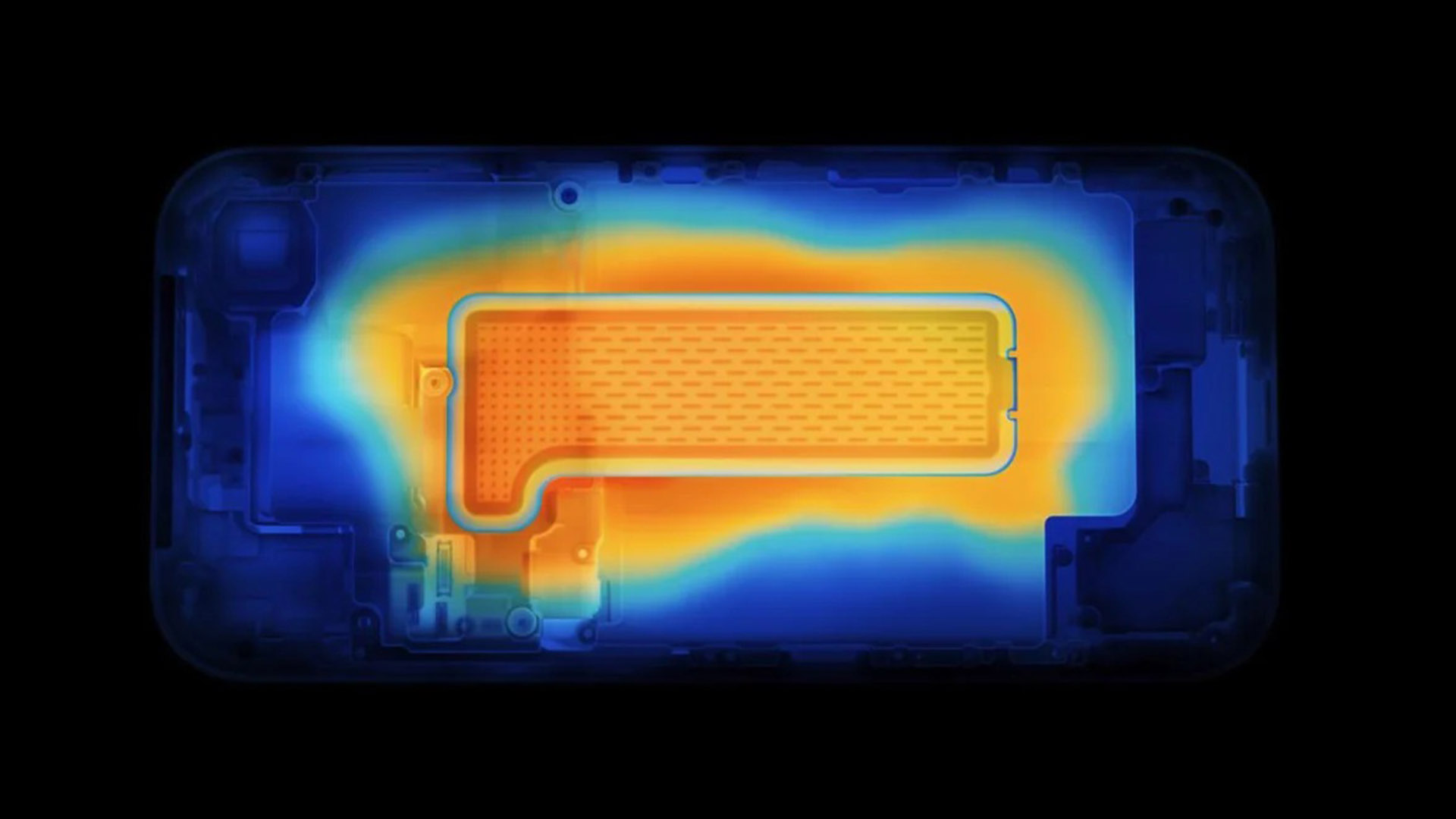
- Power Efficiency: Targeted for up to 20% improvement in battery life for sustained workloads
The Adreno 840 GPU, paired with the shared L2 cache, is designed to handle not just traditional gaming but also emerging use cases like real-time ray tracing and AI-enhanced visual effects. The variable-rate shading feature allows developers to dynamically adjust rendering workloads based on scene complexity, which could lead to more immersive experiences without sacrificing performance.
What This Means for Gamers
For gamers, the implications of this architecture are significant. A larger shared L2 cache reduces the time it takes for data to move between the CPU and GPU, which is crucial during rapid scene changes or when switching between applications. This can result in smoother gameplay, even on titles that demand high-resolution textures or complex shaders. Additionally, the power efficiency gains mean that devices powered by this chip could maintain performance longer without draining the battery—a critical factor for mobile gaming sessions.
Comparing to Alternatives
When placed alongside other flagship mobile SoCs, the Snapdragon 8 Elite Gen 6 Pro stands out for its aggressive approach to cache design. While competitors like Apple’s A-series chips and Samsung’s Exynos offerings also prioritize performance, Qualcomm’s shared L2 cache is a notable departure from traditional designs. This could give it an edge in scenarios where latency-sensitive workloads are common, such as competitive gaming or real-time rendering tasks.
Looking Ahead
The Snapdragon 8 Elite Gen 6 Pro is expected to debut in premium smartphones targeting the high-end market, likely arriving in late 2024. While exact pricing and availability details are not yet confirmed, this chip represents a significant leap forward in mobile SoC architecture. For gamers, it promises a smoother, more efficient experience—one that could set a new standard for what’s possible on mobile hardware.