AdHoc Studio, the indie developer behind the critically acclaimed Dispatch, has taken responsibility for the unexpected censorship applied to the game’s Nintendo Switch and Switch 2 versions—and is now partnering with Nintendo to address the issue. The controversy erupted shortly after the game’s January 2026 release, when players discovered that not only nudity but also extensive profanity had been permanently redacted, with no option to toggle the changes.
The situation highlights a stark contrast between Nintendo’s content policies and those of other platforms. While titles like Cyberpunk 2077* and The Witcher 3 operate on Switch with minimal restrictions, Dispatch faced stricter enforcement, forcing AdHoc to alter its version to comply. The studio now admits it failed to communicate these changes effectively, placing a critical disclaimer in an obscure section of the Nintendo eShop page rather than the more visible 'About the Game' field.
What Went Wrong—and How AdHoc Is Fixing It
AdHoc’s chief operating officer has confirmed that the studio, not Nintendo, made the censorship decisions during the porting process. The developer expected its disclaimer—stating that the Switch version would differ from other platforms—would be clearly visible. Instead, it was buried in a 'Disclaimer' field, only discovered by players after launch. The error was corrected hours later by moving the notice to a pre-purchase screen, though some regions remain in review.
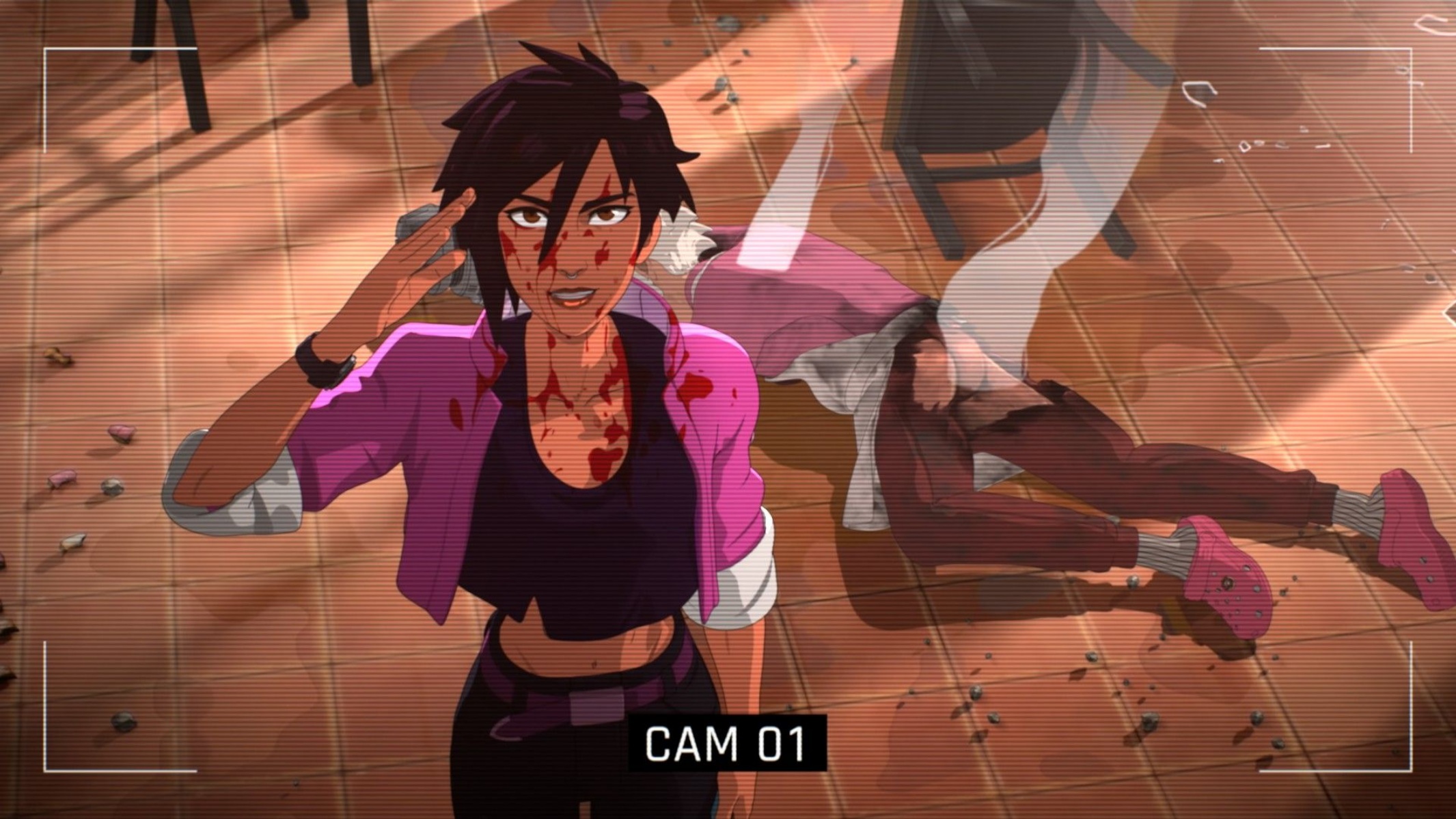
Nintendo’s hands-off approach to content modifications—stated in its own response—means the studio must now negotiate directly with the publisher to restore elements of the original game. AdHoc has expressed confidence in securing at least a partial update, though the scale of changes remains uncertain. For players seeking the full experience, the PC, PlayStation 5, and Xbox Series X/S versions of Dispatch remain uncensored.
Why This Matters for Indie Developers
The Dispatch saga underscores the challenges indie studios face when navigating platform-specific content restrictions. Unlike larger developers like CD Projekt Red—capable of producing region-locked versions (e.g., a censored Cyberpunk 2077* for Japan)—AdHoc lacks the resources for multiple builds. The studio’s apology reflects broader frustrations among creators over inconsistent enforcement and the lack of transparency in Nintendo’s guidelines.
For now, AdHoc and Nintendo are working toward a resolution, but whether players will see a fully uncensored version or a compromise remains to be seen. The incident serves as a cautionary tale for developers and a reminder that even beloved games can fall victim to platform policies.