The phrase 'Microslop' has resurfaced—not as a casual slur, but as a deliberate digital protest against Microsoft’s aggressive AI strategy. A new Chrome extension, available on the official store, performs a simple yet provocative act: it globally replaces every instance of 'Microsoft' with 'Microslop' across web pages. What makes this extension notable isn’t just its cheeky name, but the cultural moment it taps into—a growing disillusionment with Microsoft’s direction under CEO Satya Nadella.
This isn’t an isolated act of rebellion. It arrives amid a broader backlash against Microsoft’s AI-driven initiatives, from forced migrations in Windows to the pervasive integration of Copilot across its ecosystem. The extension’s developer has openly acknowledged its purpose: not just as a prank, but as a way to voice frustration with what they describe as 'a company that seems determined to prove its own sloppiness.'
The extension works seamlessly on both Chrome and Microsoft Edge, leveraging the latter’s Chromium foundation. It claims to perform only visual manipulation—no data collection, no link breaking—and has already garnered attention for its blunt critique of a tech giant that, ironically, has positioned itself as a leader in AI responsibility.
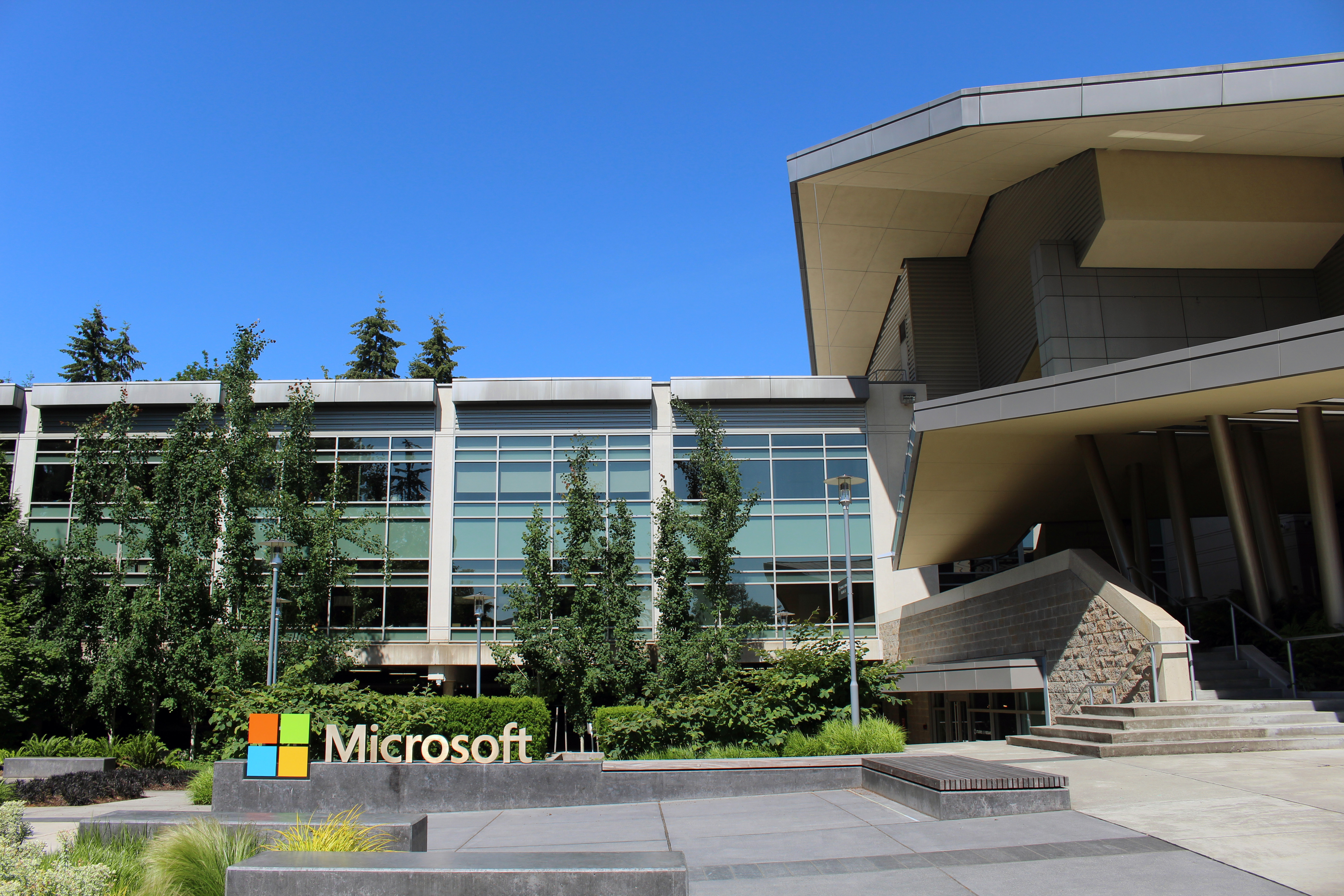
Microsoft’s own rhetoric adds fuel to this fire. Nadella recently stated that 30% of the company’s code is now AI-generated, a claim that sits uneasily alongside reports of rising software subscription costs and user resistance to forced updates like Windows 11. The extension’s timing couldn’t be more pointed: it arrives as Microsoft pushes Copilot deeper into its products, despite evidence that local AI applications remain underutilized. Even hardware giants like Dell have noted that consumers still prefer third-party solutions like ChatGPT over built-in tools.
For a company that has spent years courting developers and enterprise users with promises of innovation, the extension serves as an unfiltered reflection of its current struggles. It’s a reminder that branding isn’t just about logos or slogans—it’s about trust, and Microsoft is testing that trust in unprecedented ways.