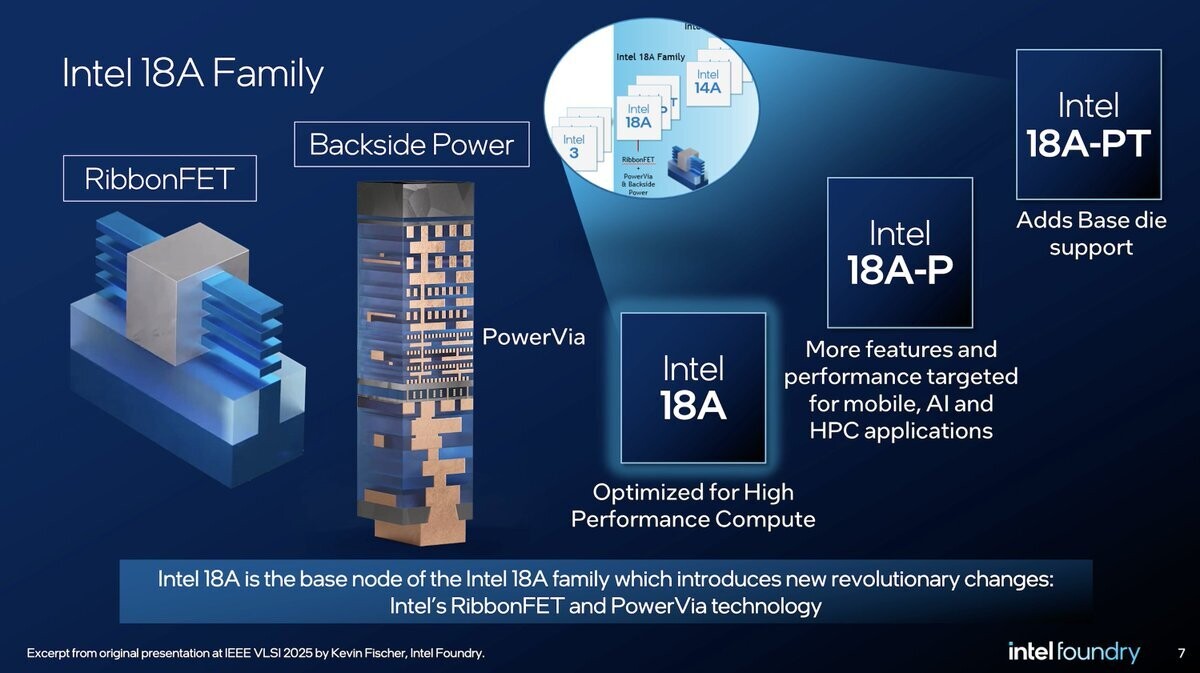
Intel’s 18A-P node delivers unexpected gains, offering 9% more performance or 18% lower power without shrinking transistor density. This shift could reshape how PC builders balance speed and efficiency.








The upcoming No Man's Sky XENO ARENA update introduces a new competitive layer to the game, featuring ranked matche...

A new gaming keyboard from Samson aims to balance performance and price, but falls short in both ergonomics and sof...

The Anker 7-in-1 charging station, a versatile device for powering multiple gadgets simultaneously, has dropped to...

A live overclocking competition in Poland will test not just speed, but the real-world consequences of extreme perf...

The latest addition to Arctic’s Xtender series brings clear glass panels, pre-installed ARGB fans, and support for...
Google Chrome is rolling out vertical tabs, a long-awaited change that could reshape how users browse. The update b...
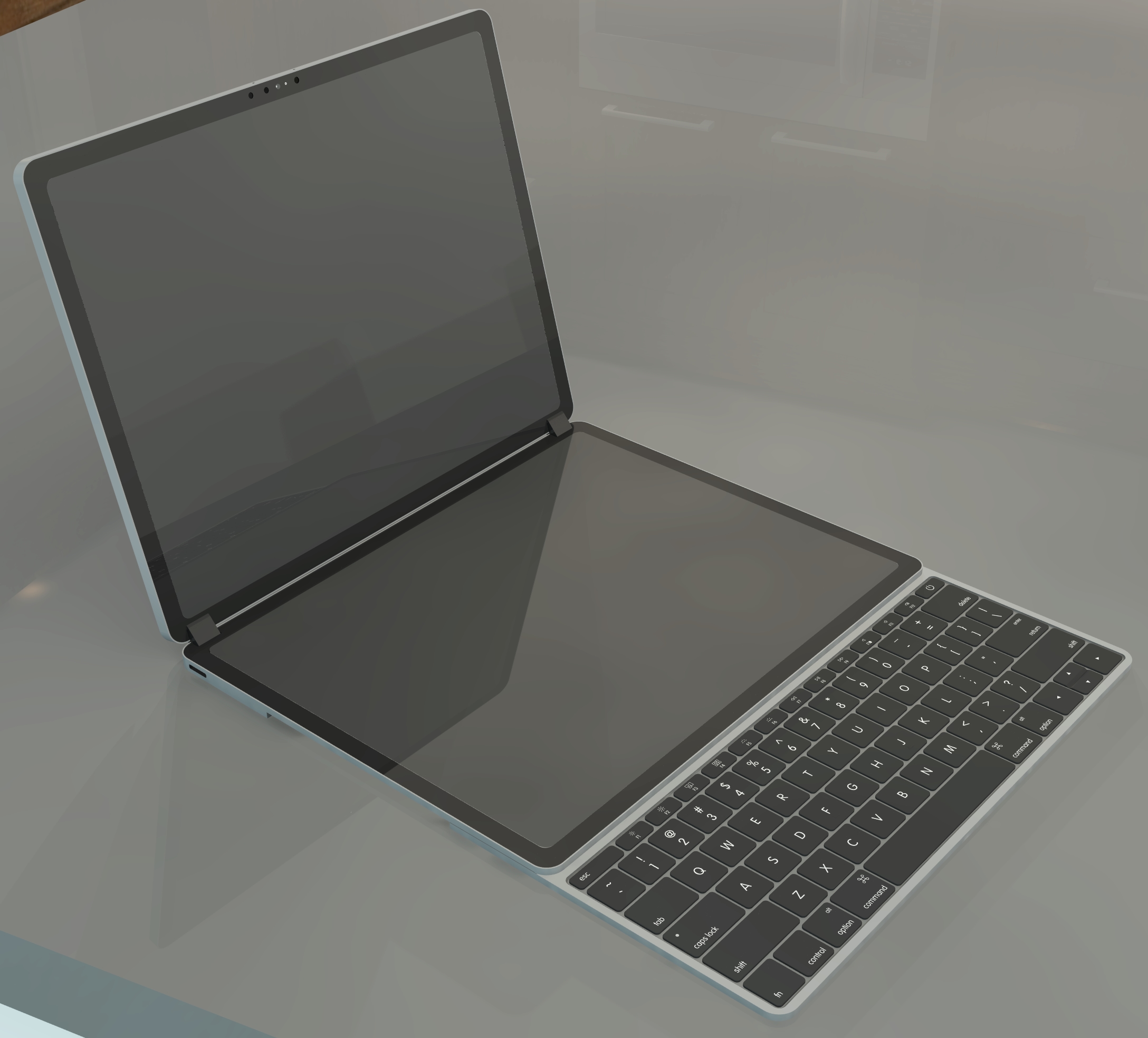
A long-forgotten internet archive has undergone a silent transformation, offering researchers and enthusiasts a ref...

The RTX 50 series marks a significant evolution in GPU design, delivering unprecedented AI performance while priori...
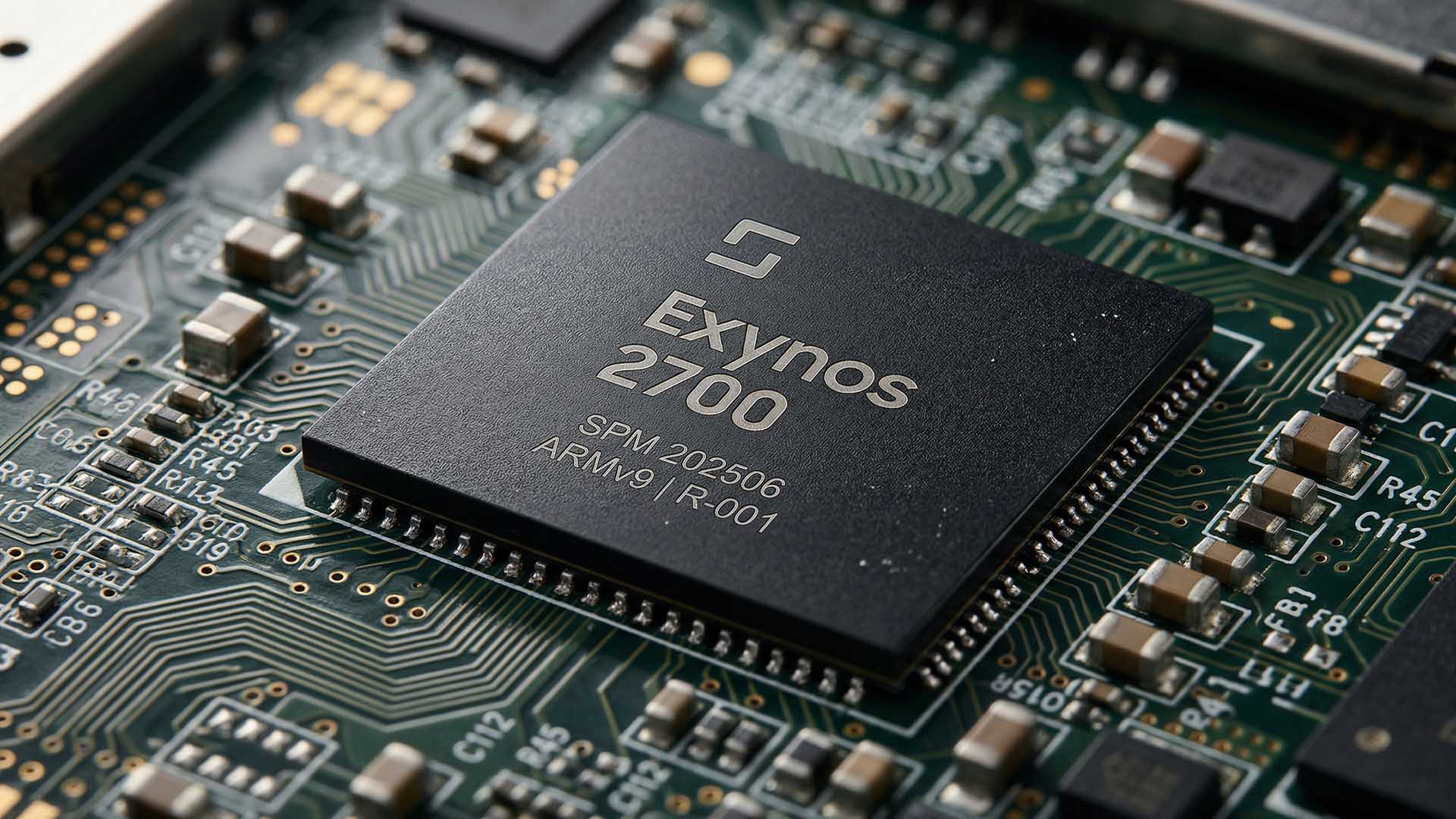
Samsung's upcoming Exynos 2700 chipset is undergoing early testing, promising improved performance and efficiency o...
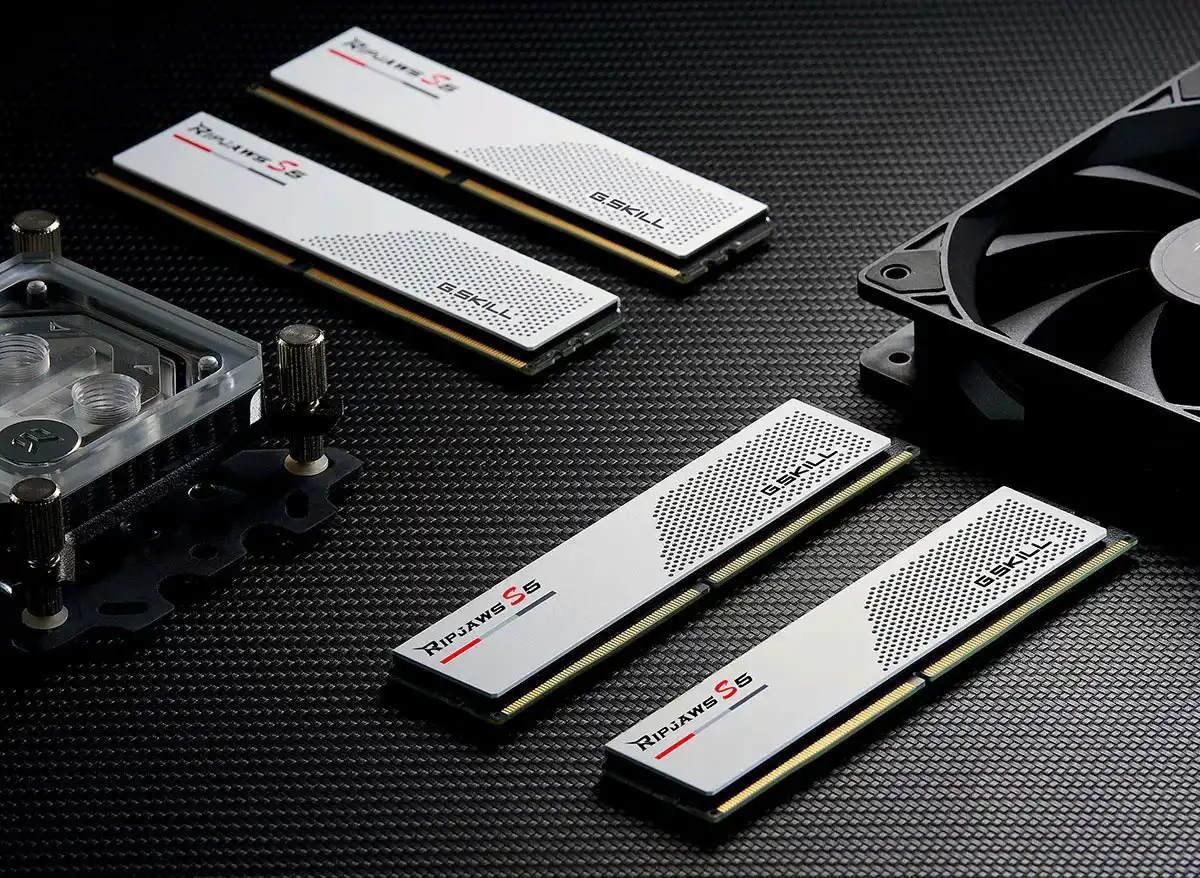
Even high-end systems can feel sluggish if their memory subsystem is mismatched. A closer look at how RAM speed, ca...