An unassuming job listing has exposed a quiet but critical hurdle for the next wave of Arm-powered Windows laptops: kernel-level anticheat compatibility. The posting, seeking an engineer to port EA’s Javelin solution to Windows-on-Arm (WoA), underscores that even the largest game studios must rethink how they protect games across CPU architectures.
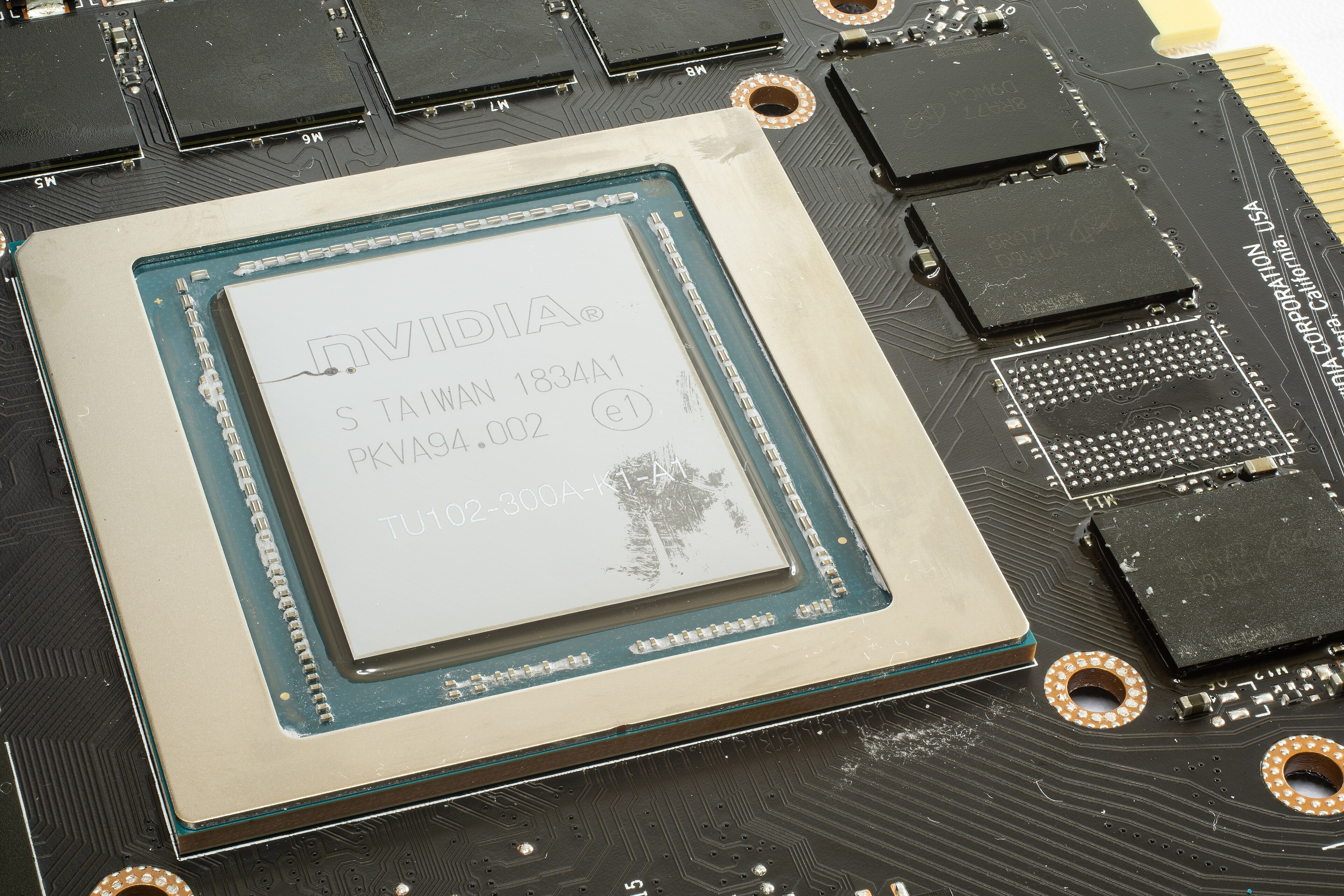
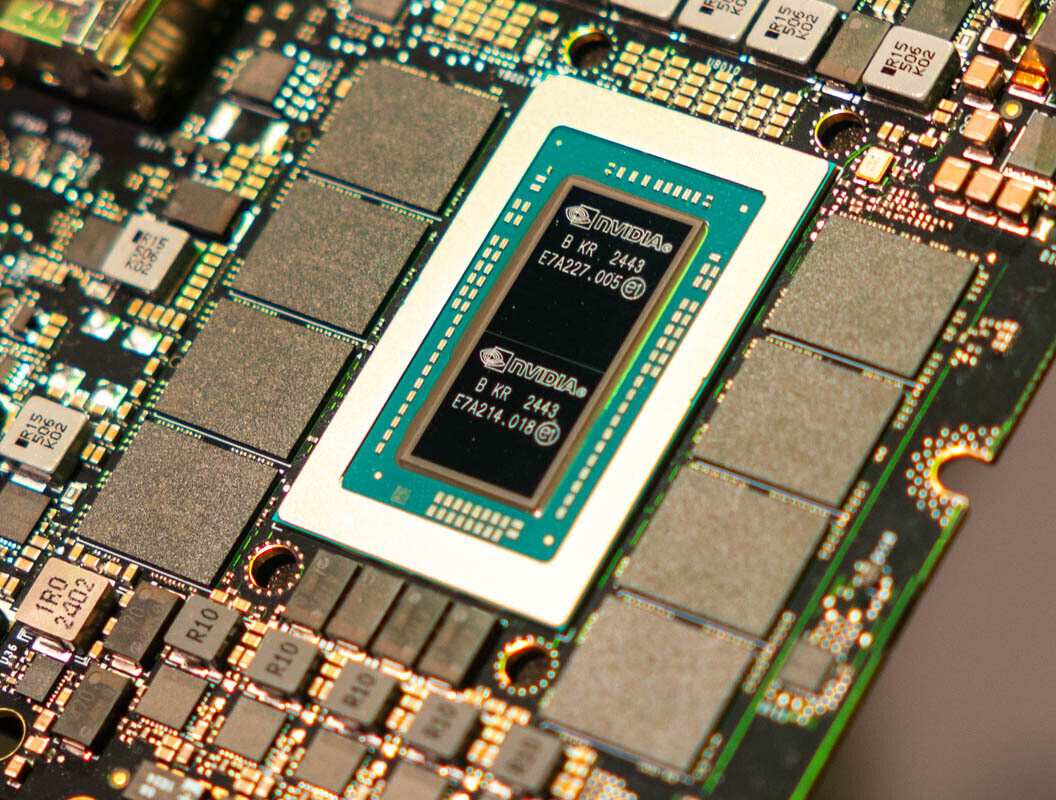
This move comes as NVIDIA prepares to launch its Blackwell-based N1 and N1X system-on-chips, featuring 20 Armv9.2 CPU cores and a GPU optimized for low-power operation. The chips will compete with Qualcomm’s Snapdragon X2 Elite and X2 Plus platforms, both already shipping in consumer laptops. Yet behind the hardware race lies a less visible but equally important challenge: ensuring that kernel-level security software—long designed for x86—can function without breaking compatibility on Arm-based Windows 11.
Historically, porting anticheat systems has been difficult even between operating systems. Valve’s effort to run native Windows games on Linux through Proton faced similar obstacles due to kernel-level restrictions. Now the same problem is emerging within Windows itself, as WoA introduces a non-x86 deployment that must still enforce security at the lowest level of the stack.
The job posting suggests internal work is already underway, though no timeline has been confirmed. If successful, this port could pave the way for broader adoption of WoA-native games and software, but it also raises questions about performance tradeoffs and whether kernel-level anticheat can remain effective on heterogeneous CPU architectures.
For IT teams evaluating Arm-based Windows devices, the key consideration is not just hardware specs—it’s ensuring that security infrastructure remains robust across platforms. While NVIDIA and Qualcomm push forward with their SoCs, the real test will be whether kernel-level solutions can adapt without sacrificing performance or creating new fragmentation.