Windows Media Player has returned in a new form, but its reception is already divided. The updated app, now integrated with Microsoft's broader ecosystem, brings improvements that long-time users have waited years to see. Yet, the core experience still carries enough familiar weight to make it feel like more than just a rebrand.
At its heart, the revamp addresses two major pain points from the original: playback consistency and media management. The new version promises smoother handling of modern codecs—something the legacy app struggled with—and a redesigned interface that leans into Microsoft's Fluent Design language. However, whether these changes will lure users away from third-party alternatives like VLC or even Windows 10/11's built-in Groove Music remains uncertain.
The update also introduces deeper integration with Microsoft's cloud services, including OneDrive and Xbox Game Pass. This shift suggests a strategic move to tie media playback closer to the company's subscription ecosystem. For users who rely on these services, the change could be seamless; for others, it may feel like an unnecessary tether.
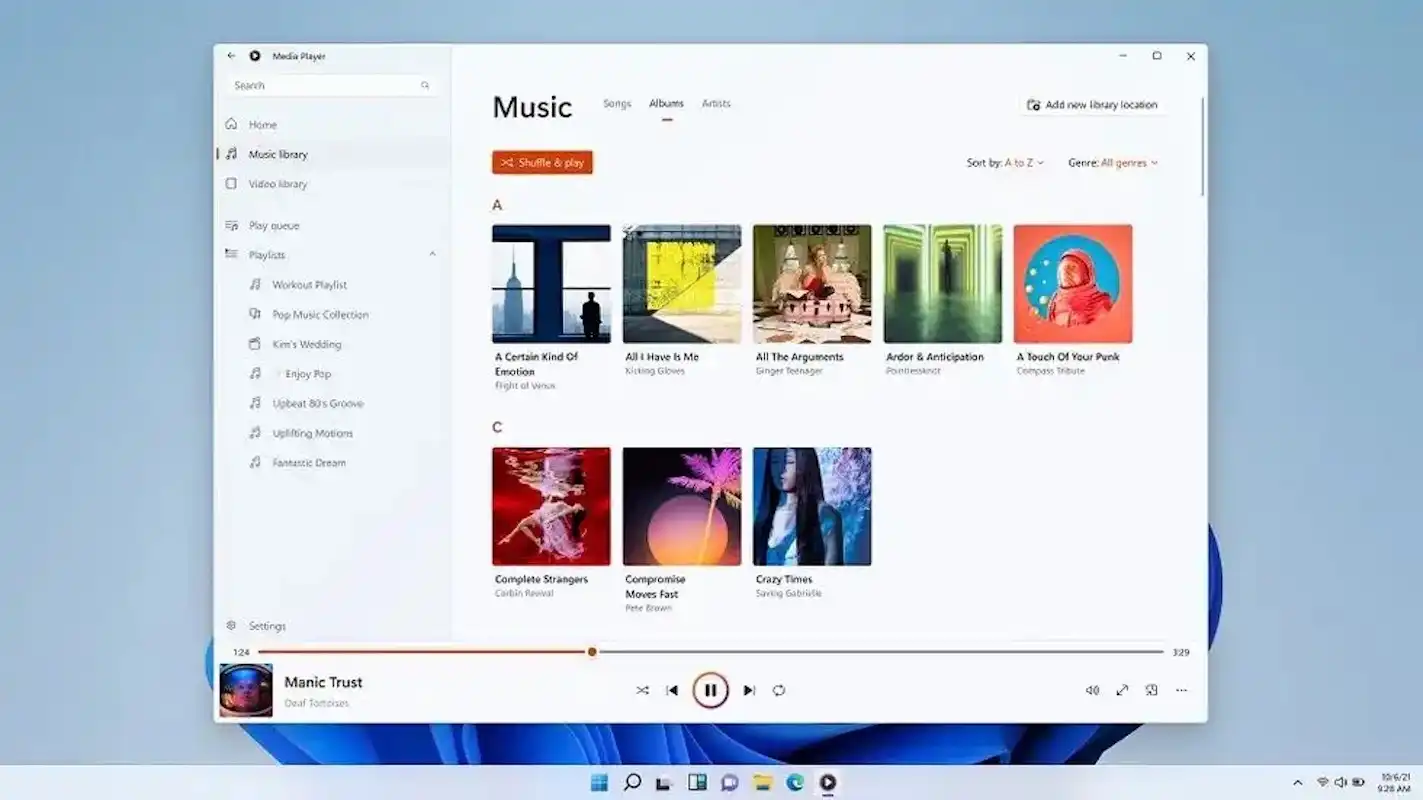
One detail that stands out is the app's new support for 4K HDR content—a feature absent in previous versions. This aligns with modern hardware capabilities and could appeal to users upgrading their setups. Yet, the lack of native support for certain DRM-free formats (a long-standing criticism) lingers, leaving some wondering if Microsoft has truly addressed its legacy issues or merely polished them.
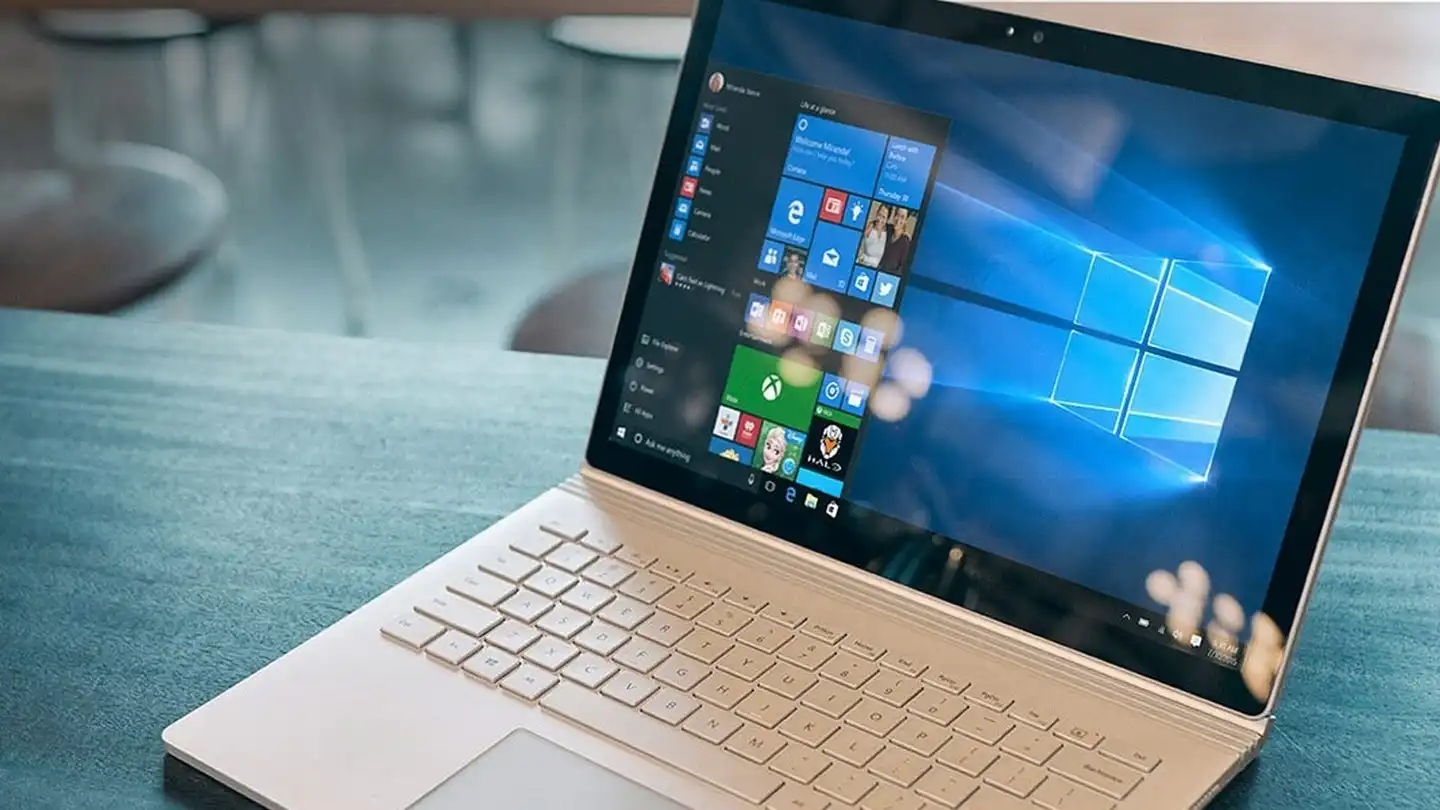
For PC builders and power users, the question isn't just about whether the new Media Player is better—it's about timing. With Windows 10's end-of-life looming and Windows 11's adoption still uneven, the update feels like a double-edged sword. It offers a reason to upgrade for those clinging to older systems but may also highlight gaps that third-party tools have already filled.
What's confirmed: The new Media Player is available as an optional download in Windows 10 and 11, with support for 4K HDR playback and improved codec handling. What's still unconfirmed: Whether it will replace VLC or Groove Music as the default choice for users who prioritize flexibility over integration.