Windows would not have existed without Intel, and Office might never have taken its current form without Apple. These are not just historical footnotes; they are the bedrock upon which modern computing was built.
The admission, framed around Microsoft’s approach to collaboration versus competition, underscores a strategic philosophy that has shaped an entire industry. It also serves as a reminder of how deeply intertwined the tech ecosystem remains—even when giants like Microsoft and Intel dominate their respective domains.
How Intel became Windows’ silent architect
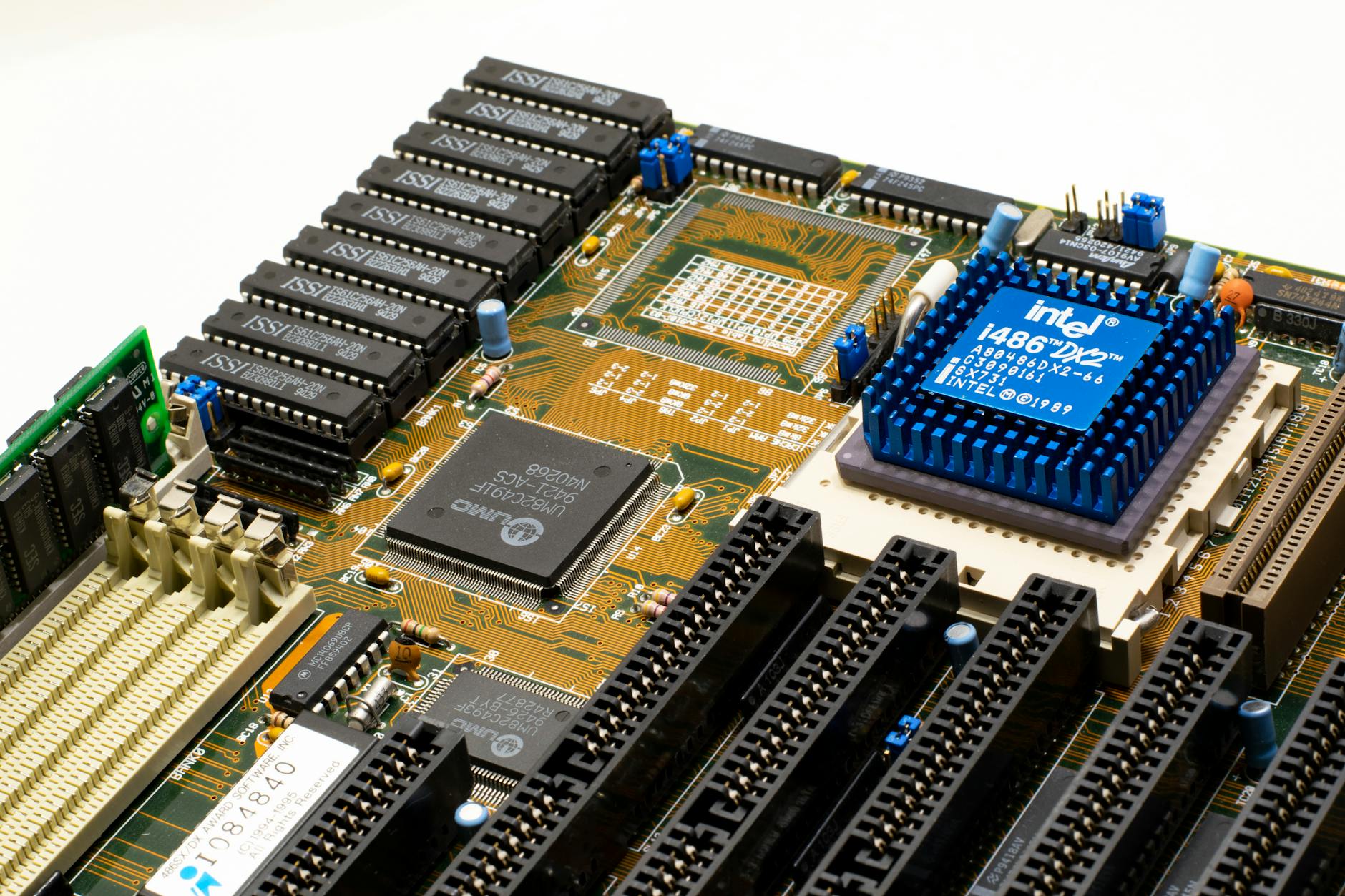
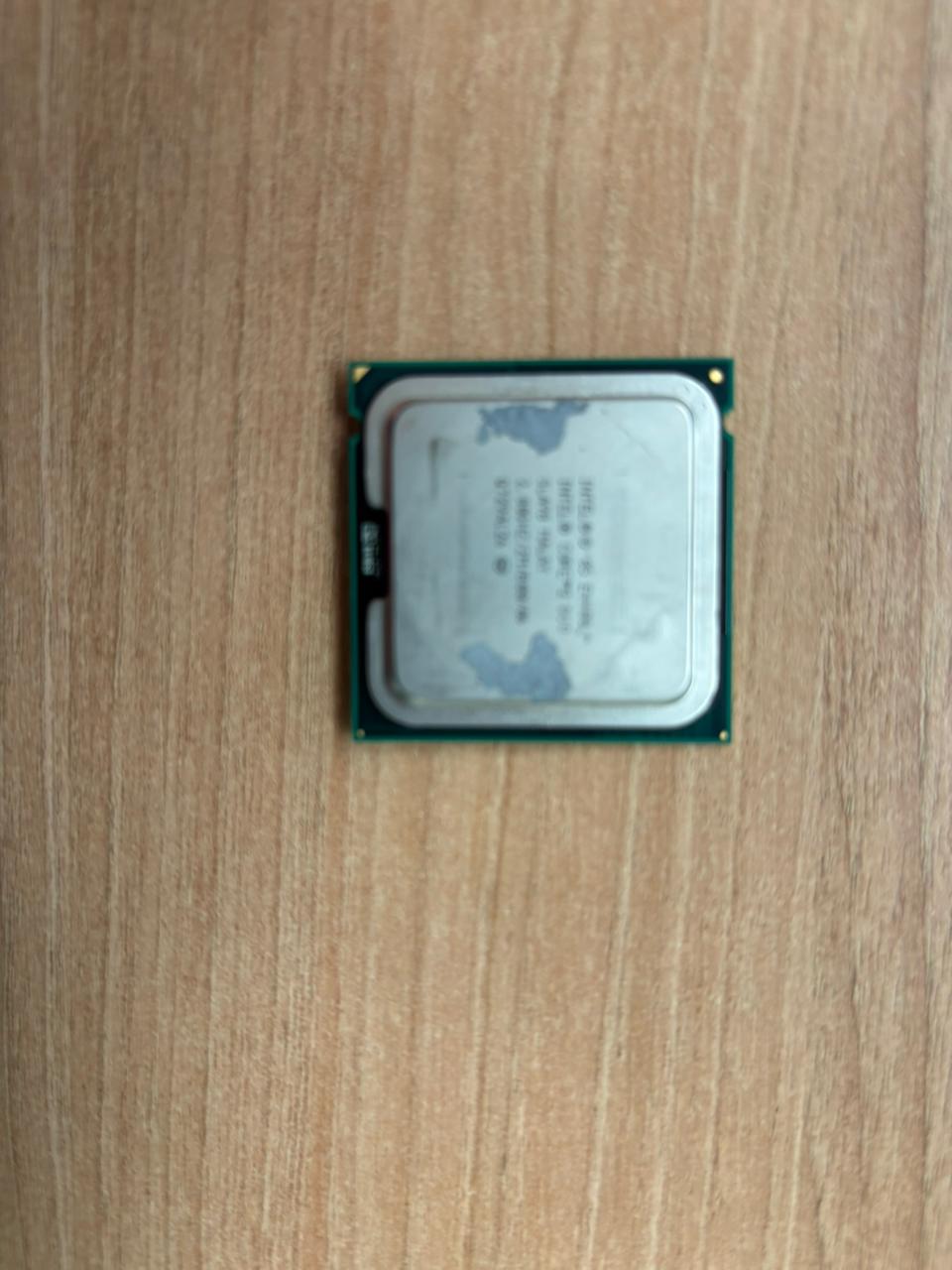
The term ‘Wintel’ was shorthand for more than just a partnership; it described an inseparable alliance that defined personal computing. When IBM selected Intel’s 8086 processor for its first PC in the early 1980s, Microsoft quickly adapted MS-DOS to run on it. What followed was a decade where nearly every home computer ran Windows on Intel hardware—a dynamic that persisted long after other architectures faded.
Apple’s role in shaping Office
Microsoft’s productivity suite has its origins on a different platform entirely. Excel and the first graphical version of Word were initially released for the Macintosh, not Windows. The Mac’s intuitive interface and market presence gave Microsoft an early advantage that later translated to dominance on PCs.

- Excel was one of the first applications designed specifically for the Mac.
- The original GUI-based Word debuted on the Mac before Windows 1.0.
- System 1, Apple’s operating system at the time, was more user-friendly than Microsoft’s early attempts with DOS.
This dual foundation—Intel for hardware compatibility and Apple for software innovation—created a feedback loop that propelled both Windows and Office forward.
The modern legacy
Today, Windows 11 is a far cry from its DOS roots. AI integration, privacy concerns, and modular redesigns have reshaped the platform, but the core principles of collaboration remain. Whether through partnerships with hardware makers or open-source initiatives like Linux on Azure, Microsoft’s strategy continues to balance competition and cooperation.
Yet, as Linux gains traction—particularly in 2026—a new chapter may unfold. The question is whether Microsoft will view this shift as an opportunity to add value (non-zero-sum) or a challenge to defend its turf (zero-sum). The answer could redefine the future of computing just as Intel and Apple did decades ago.
The lesson? Even the most dominant players in tech are not immune to external influences. Their success often hinges on recognizing when to collaborate—and when to compete.