Users accustomed to macOS’s Quick Look might find a familiar feature appearing in Windows, but the execution—and what it actually does—is different enough to matter.
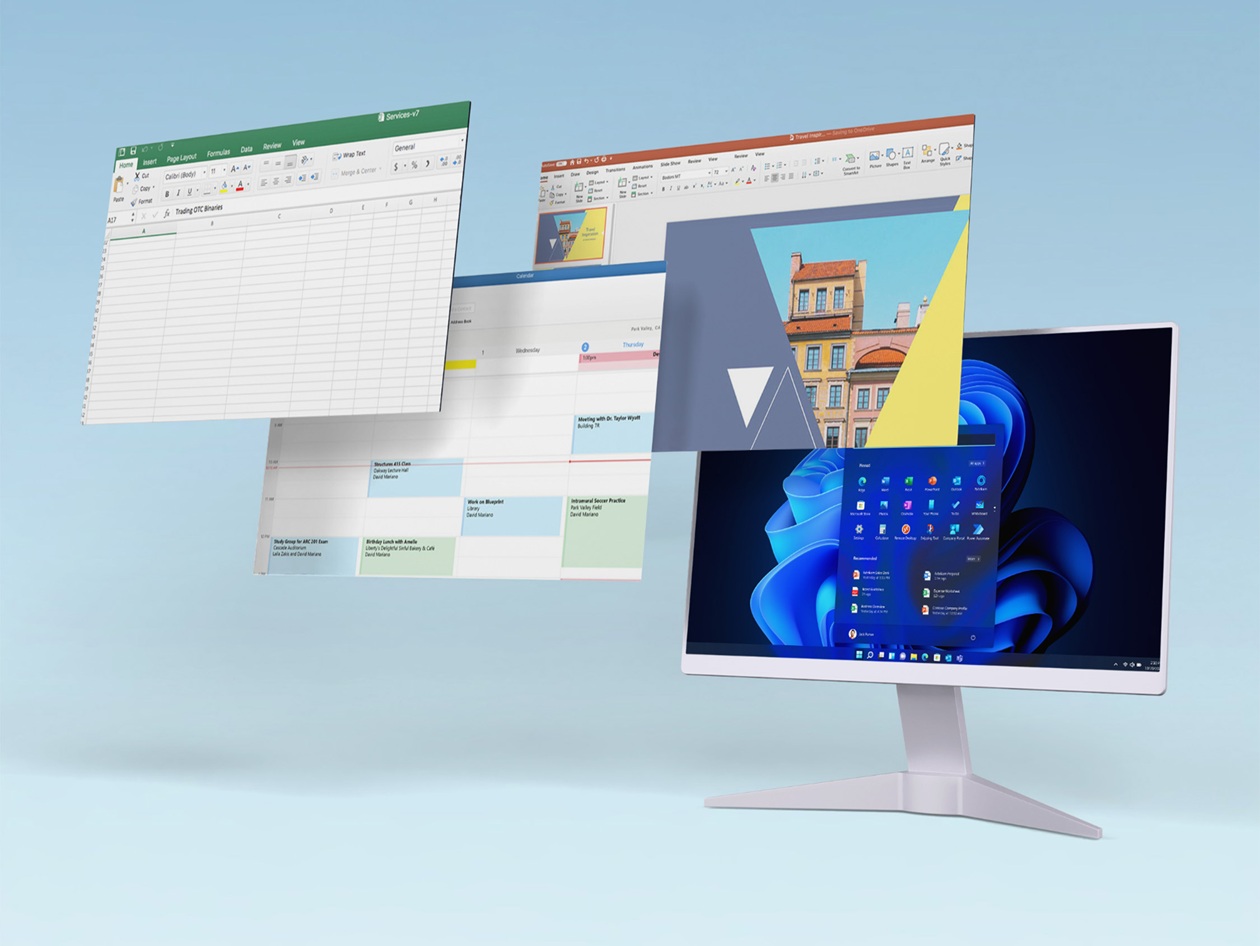
A utility called Windows Preview Pane has been released, promising to let users peek inside documents, images, and other files without launching them. The tool is designed to sit alongside the traditional file explorer, offering a glance at content before deciding whether to open it fully. On the surface, this mirrors macOS’s behavior, but under the hood, the approach is distinct.
What people might expect is a seamless, system-wide preview that works across all applications and file types with minimal setup. In reality, the Windows version is more limited in scope. It does not replace the need for third-party tools in many cases and remains tied to specific file formats. While it handles common office documents and images smoothly, support for other types—like videos or complex PDFs—can be inconsistent. The tool also lacks the deep integration seen in macOS, where previews are often context-aware and dynamically generated.
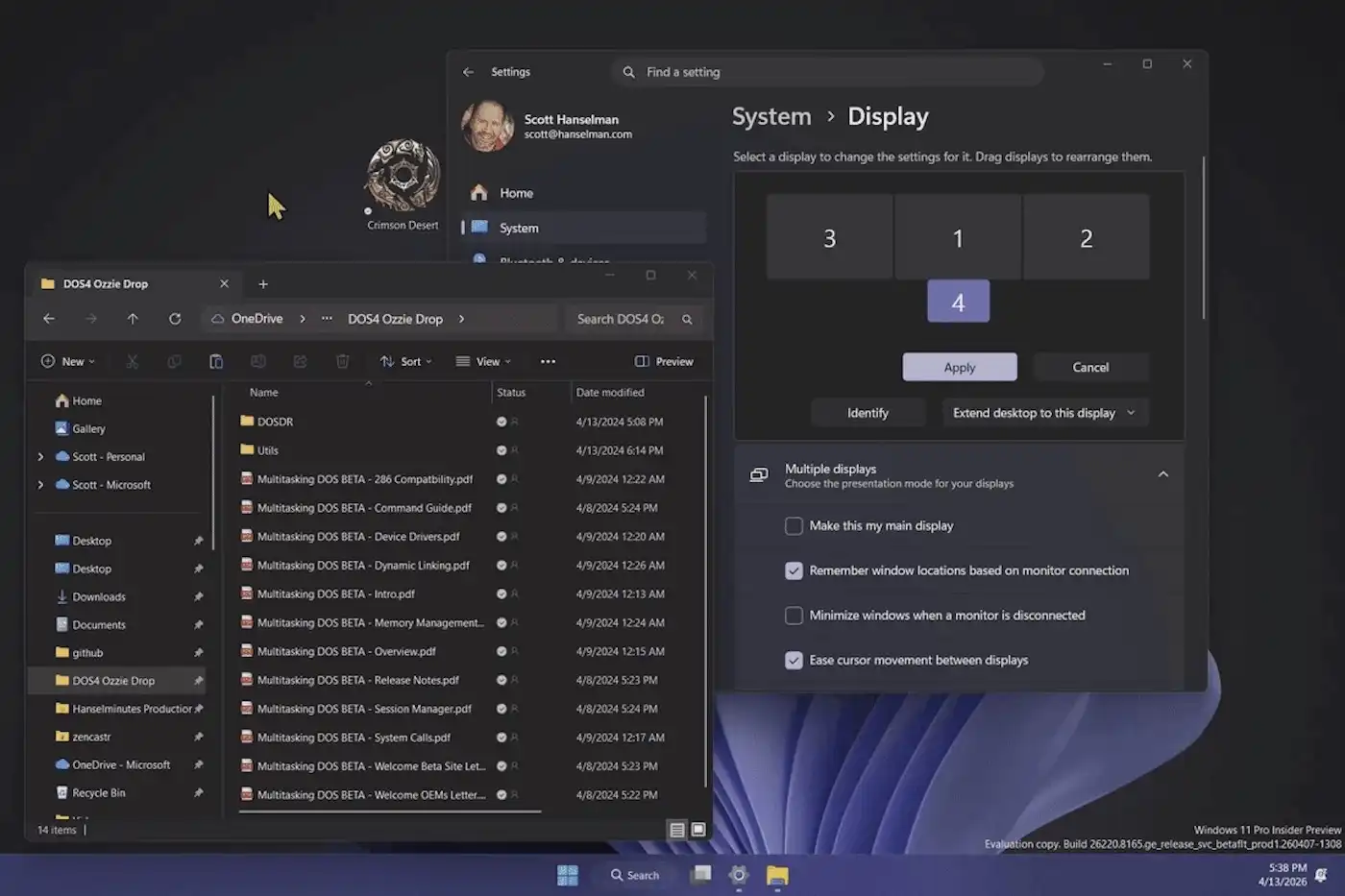
For creators and power users, this means a shift in workflow that may not always deliver the promised efficiency. While the preview pane can speed up navigation in folders, it does not eliminate the need for dedicated applications to edit or manipulate files. The feature is more of an additive convenience than a transformative one, sitting between the simplicity of macOS’s Quick Look and the robustness of Windows’s existing file-handling tools.
- Works with office documents, images, and basic PDFs
- Limited support for other file types like videos or complex formats
- Does not replace third-party editing tools
- No deep context-aware previews as seen in macOS
The real question is whether this will nudge users toward Windows without forcing them into platform lock-in. For those already invested in the ecosystem, it adds a layer of convenience that might reduce reliance on external tools. But for others, the gap between expectation and reality could make it just another feature to ignore.