Enterprise buyers face a familiar dilemma: pack more AI horsepower into a small footprint without surrendering performance or breaking budget. GMKtec’s latest EVO-T2S and EVO-X2 mini PCs attempt to solve that equation, but the math only works if you know exactly which workload you’re optimizing for.
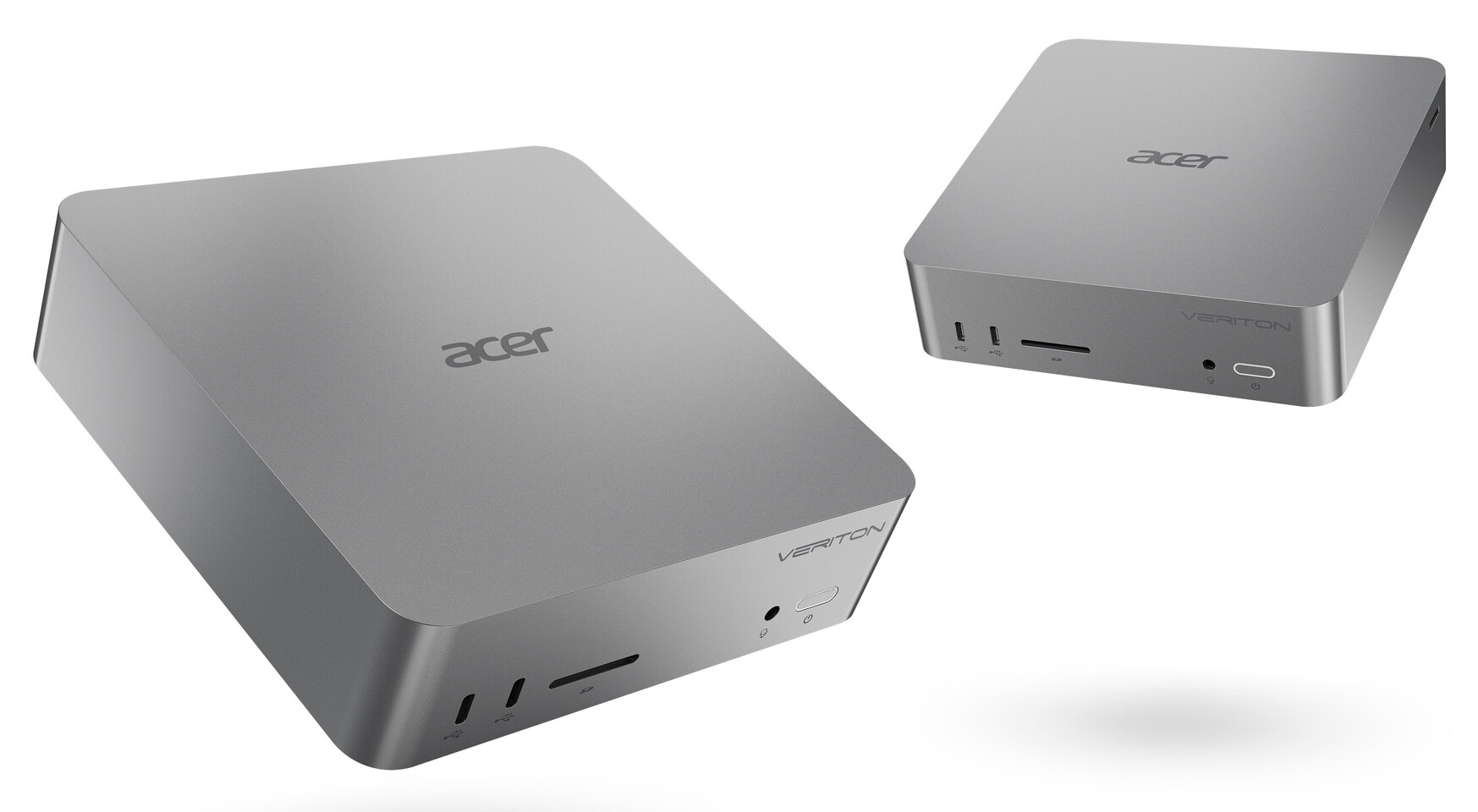
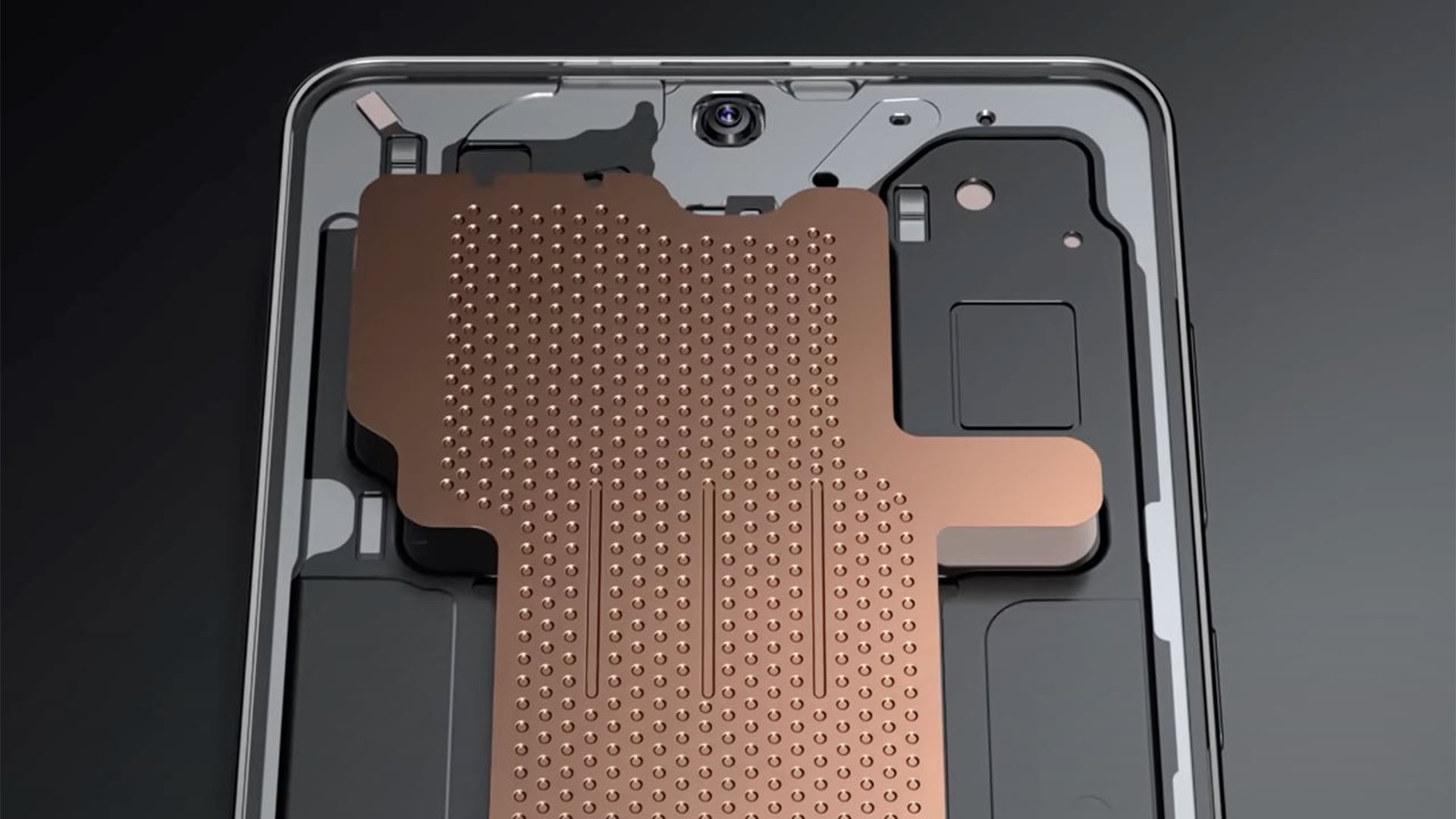
The EVO-T2S is built around Intel’s 16-core Core Ultra X7 358H, clocked at up to 180 TOPS of AI compute. It pairs LPDDR5X-8533 memory with Phison aiDAPTIV+ PCIe 5.0 SSDs and a vapor-chamber cooling system that keeps thermal headroom under 60 W. The platform is squarely aimed at local inference tasks—large language models, lightweight generative AI, and general high-end desktop use—rather than heavy GPU acceleration.
On the AMD side, the year-old EVO-X2 series remains in play with its Ryzen AI Max+ 395 processor (16 cores, 32 threads) and XDNA 2 NPU rated at up to 126 TOPS. Here, the focus shifts: 10 GbE networking, multi-display support for four 4K outputs, and a broader mix of AI plus GPU-accelerated workloads. Pricing has shifted noticeably since launch; the 64 GB + 1 TB EVO-X2 now starts at $1,999 (up from an earlier $1,999 price for the 128 GB model), while the top-tier 128 GB + 2 TB variant climbs to $3,299. The Intel counterpart, a 64 GB + 1 TB EVO-T2S with Core Ultra X7 358H, lists at $1,899—a discount from its original $2,399.
- EVO-T2S (Intel):
- Processor: Intel Core Ultra X7 358H (16 cores)
- AI Compute: Up to 180 TOPS
- Memory: 64 GB LPDDR5X-8533
- Storage: 1 TB Phison aiDAPTIV+ PCIe 5.0 SSD
- Cooling: Vapor-chamber, max 60 W TDP
The EVO-T2S is a tight fit for edge inference: low power draw, fast local memory, and enough NPU oomph to handle moderate LLMs without spilling work to the cloud. The tradeoff is single-display output (HDMI 2.1) and limited GPU acceleration—it’s not designed for heavy rendering or multi-4K setups.
The EVO-X2, by contrast, is built for mixed workloads: AI plus GPU tasks. Its four independent 4K outputs make it a strong candidate for digital signage, remote server dashboards, or multi-monitor AI training stations. The price jump on the larger models reflects both component inflation and the added value of those extra displays and networking bandwidth.
Neither platform currently lists the higher-end Core Ultra X9 388H variant, nor are other RAM configurations (beyond 64 GB) or exact availability dates confirmed. For enterprises that need local AI but can sacrifice display flexibility, the Intel model offers better raw TOPS per watt; for those prioritizing multi-screen setups and GPU offload, the AMD series remains the only compact option.