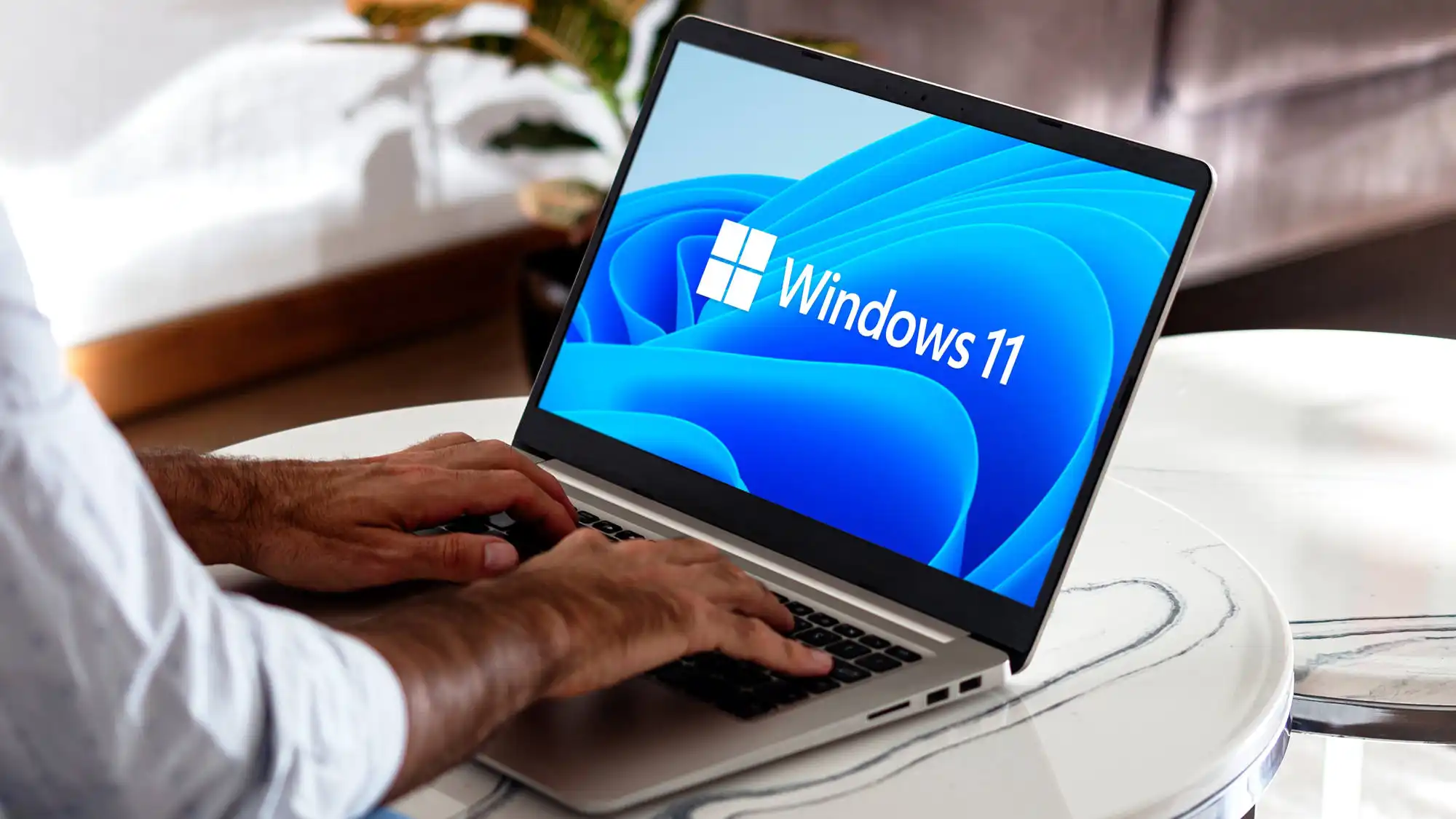
Microsoft has withdrawn the latest Windows 11 update, KB5079391, following widespread reports of installation failures that rendered some systems unbootable or corrupted. The update, part of a standard security patch cycle, was intended to address vulnerabilities but instead triggered a series of critical issues—including black screens, repeated crashes, and data corruption—on affected machines.
Initial reports suggested the problems emerged immediately after deployment, with users noting that the update could not be undone without additional steps. In some cases, systems entered a boot loop, preventing normal operation until manual intervention or system recovery tools were applied. Microsoft has since removed the update from Windows Update and is developing a revised version to restore stability.
This incident reflects a growing concern in enterprise computing: even minor updates can disrupt workflows if not thoroughly tested across diverse hardware configurations. While competitors like Linux distributions and macOS have encountered similar challenges, Windows 11’s widespread adoption—spanning business desktops, laptops, and workstations—exacerbates the impact when issues arise.
For organizations that depend on stable, uninterrupted operation, this episode serves as a reminder that patch management must carefully balance security requirements with system reliability. Although Microsoft has historically addressed such problems swiftly, the scale of this particular failure suggests that more rigorous testing may be necessary in future update cycles to minimize disruptions.
Moving forward, businesses and IT teams are likely to prioritize updates that include robust rollback mechanisms or phased deployment options. The increasing reliance on AI-driven workloads—where system stability is paramount—means even minor instability can have significant consequences for productivity and data integrity.