Windows 11 users are about to experience a significant shift in interface responsiveness, thanks to Microsoft’s ongoing optimization of its WinUI 3 framework. The company is moving away from a patchwork of legacy frameworks—including WebView2 and React—to a unified desktop-only solution, promising smoother interactions and faster app launches.
The core changes involve reducing the overhead in application behavior, particularly in File Explorer and Notepad. Benchmarking shows that the latest patches cut allocations by 41%, transient allocations by 63%, function calls by 45%, and WinUI execution time by 25%. This translates to a noticeably snappier experience when opening core apps, with File Explorer expected to feel nearly instant once updated.
That’s the upside—here’s the catch. Not all improvements are ready for prime time. Some optimizations remain too risky for immediate deployment in such a large system, meaning users may have to wait longer than they’d like. Additionally, while WinUI 3 is designed to reduce latency and improve consistency, the transition won’t happen overnight. Legacy frameworks will likely linger in certain areas, creating a hybrid experience until Microsoft fully phases them out.
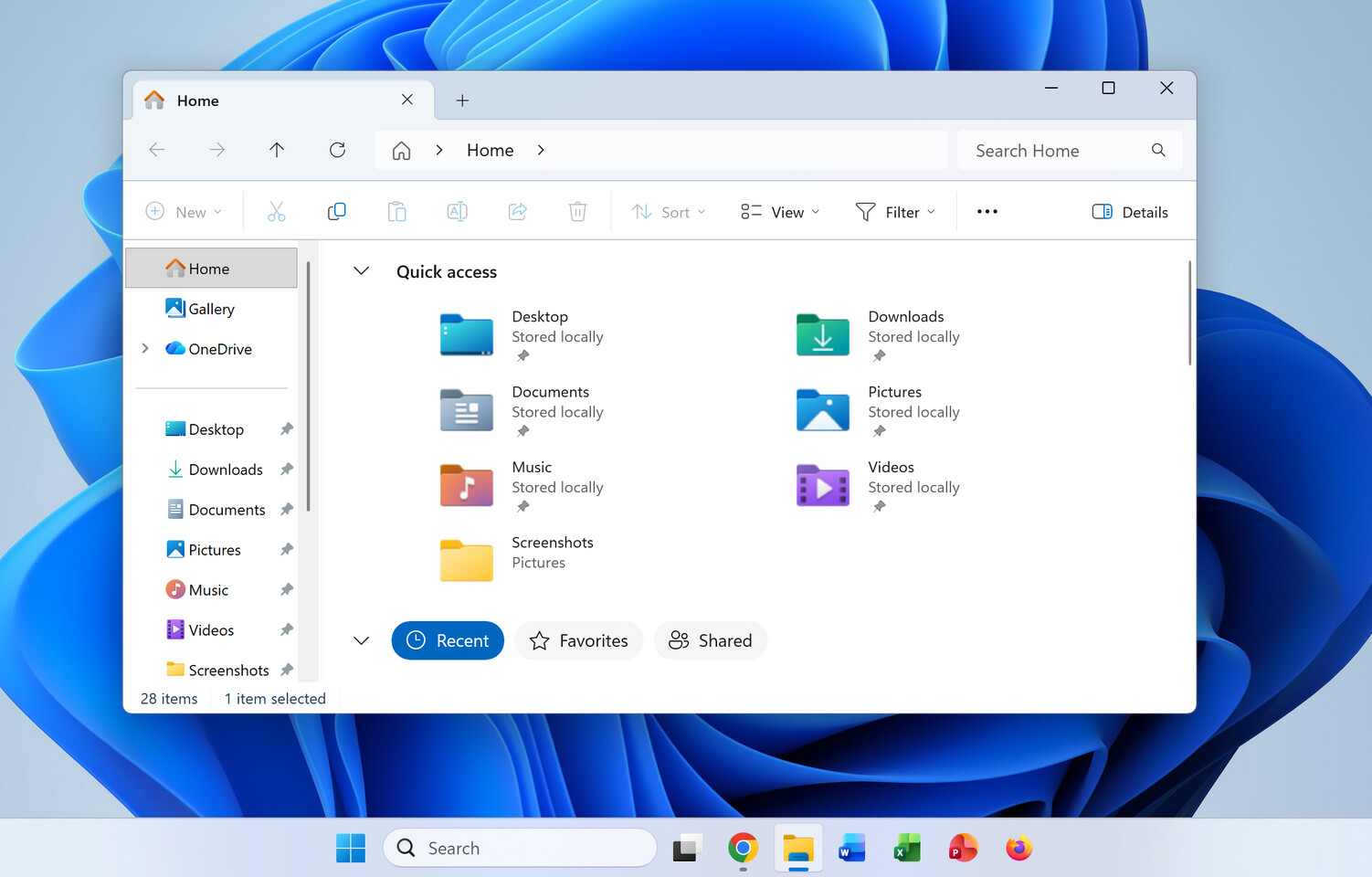
For everyday users, this means a more fluid interface when interacting with core applications, but the benefits may not be uniform across all software. Enthusiasts and power users, however, stand to gain the most from these changes, particularly those who rely heavily on File Explorer or other optimized apps. The Low Latency Profile, which temporarily boosts CPU frequency for smoother performance, will also play a key role in this overhaul.
While the full impact won’t be immediate, the direction is clear: Microsoft is committed to making Windows 11 feel faster and more consistent. Users who prioritize responsiveness and efficiency should see tangible improvements soon, though patience will still be required for a complete shift to WinUI 3.