Windows 11 is facing a significant RAM issue, primarily driven by certain applications that are pushing memory consumption beyond expected limits. Among these, apps leveraging the Chromium or Electron frameworks stand out as notable offenders.
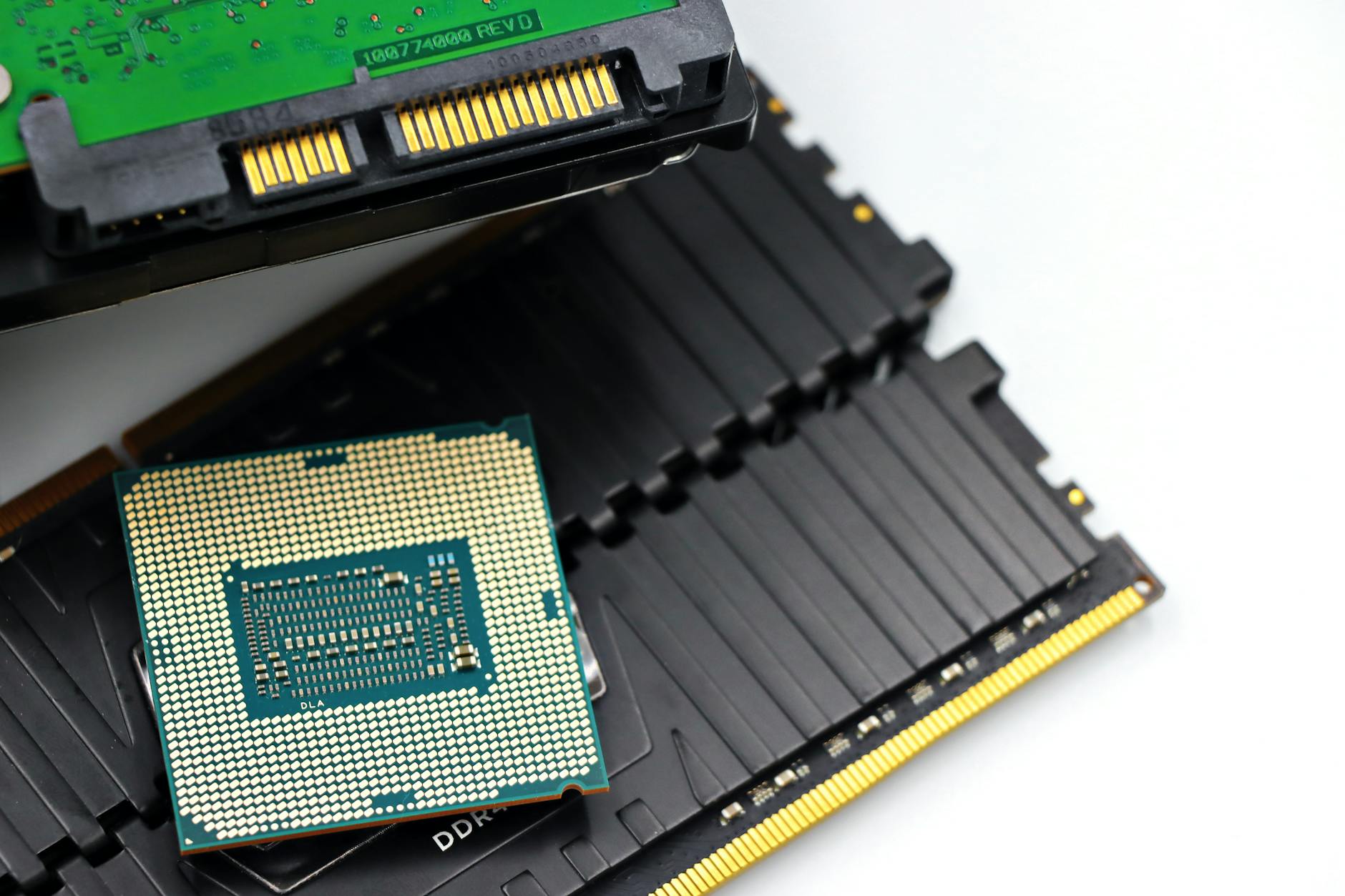
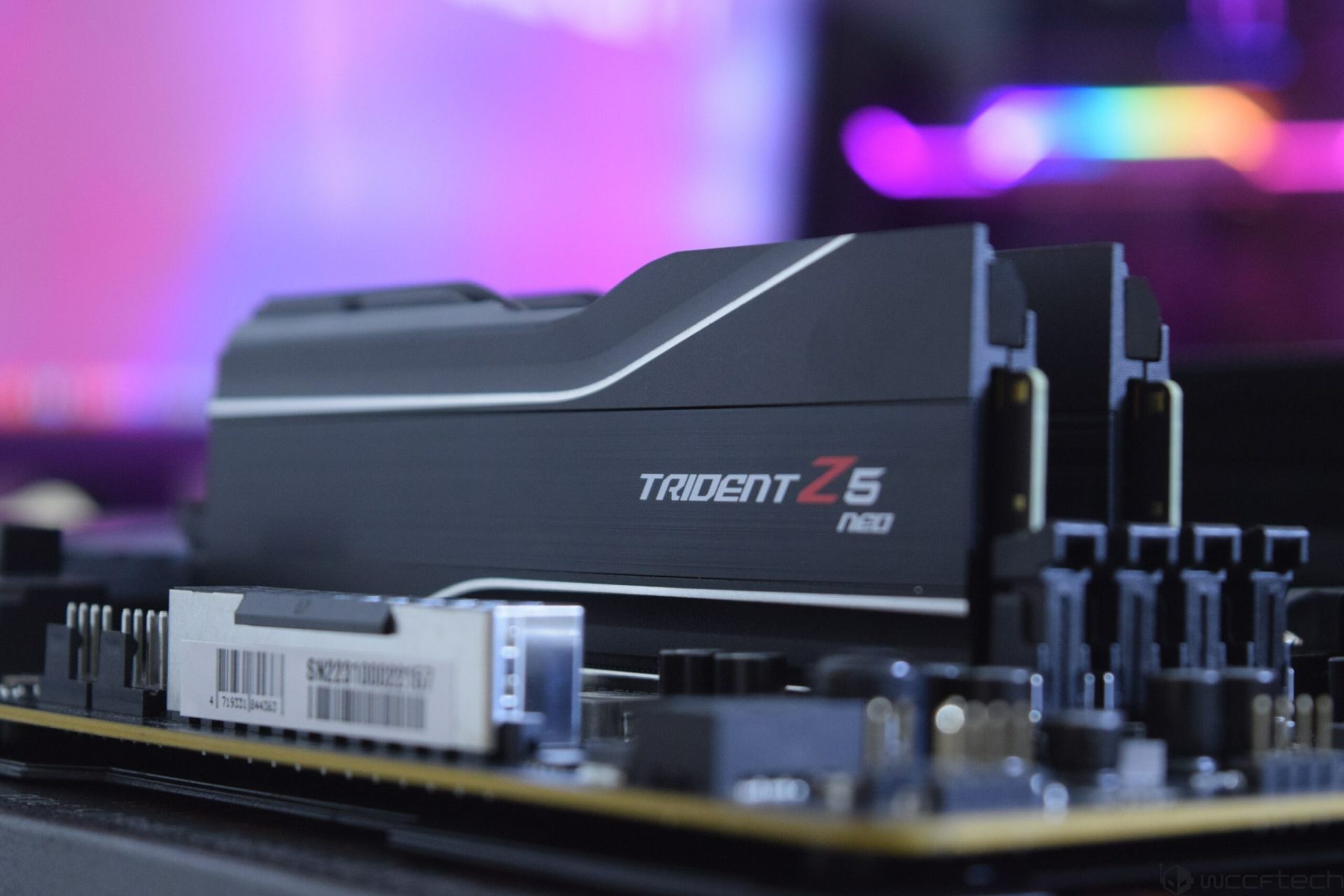
RAM, or random access memory, serves as temporary storage for data that active programs need quick access to. While modern systems come with ample capacity—often 16GB or more—a sudden surge in usage can lead to system slowdowns and increased costs if users opt for upgrades to meet demands.
The problem is not limited to a single application but affects multiple software titles, including popular ones like Discord. These apps, built on frameworks that rely heavily on web technologies, are known for their flexibility and rapid development cycles. However, this efficiency comes at the cost of increased memory footprint, which can strain even high-end systems.

Users may notice performance degradation as these apps consume more RAM than anticipated. This is particularly concerning for those running tasks that require significant processing power alongside these applications. The situation could worsen if developers do not address the underlying issues in their frameworks or if users feel compelled to invest in additional hardware upgrades to maintain smooth operation.
While the issue is not unique to Windows 11, its prevalence and potential impact on user experience warrant attention. Addressing this problem could involve optimizations at both the application and system levels, ensuring that future software development prioritizes memory efficiency without compromising functionality or performance.