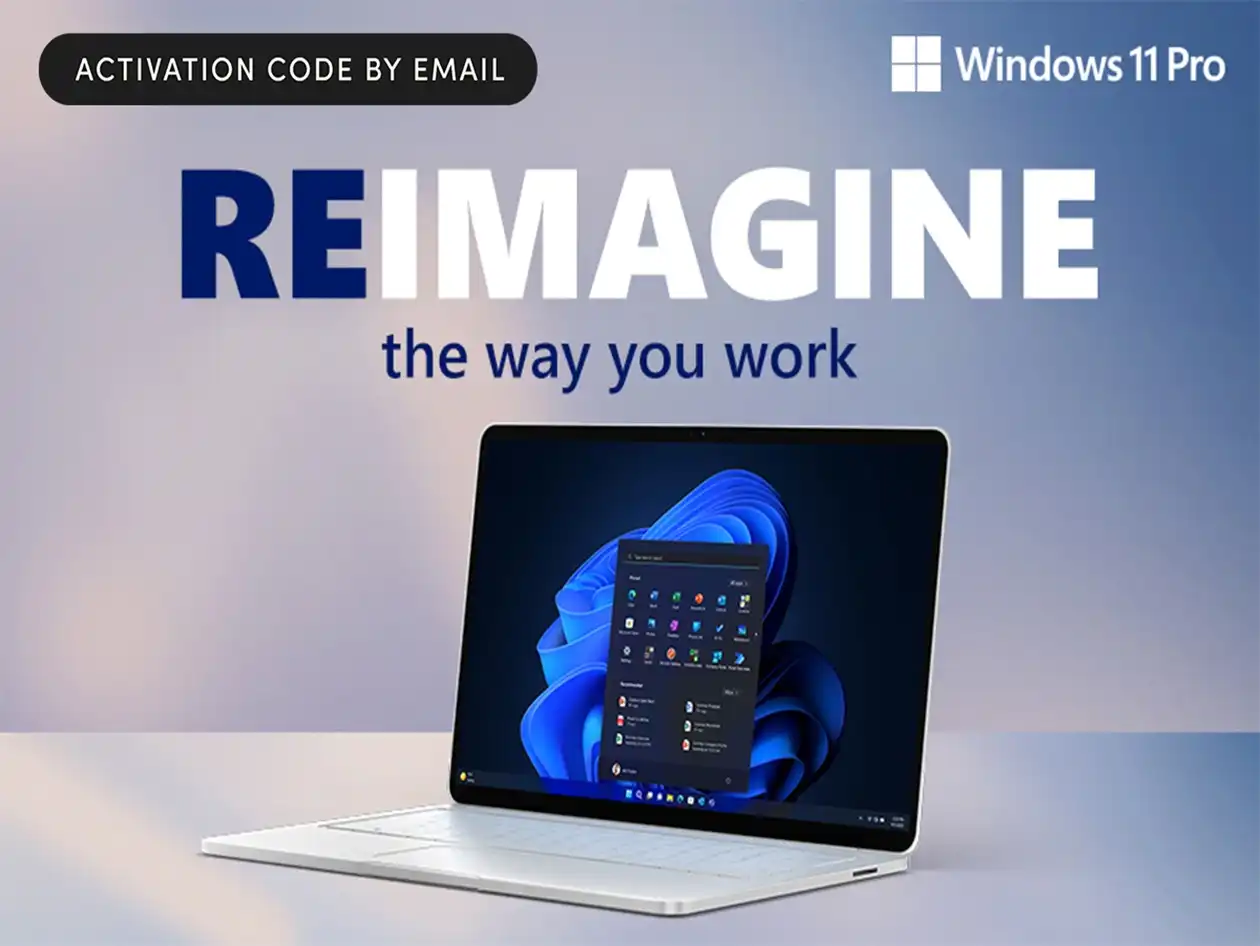
Microsoft has launched a $10 Windows 11 Pro upgrade aimed at legacy PCs, offering organizations a cost-effective way to extend the life of outdated hardware. However, the program’s effectiveness hinges on strict eligibility criteria and careful administrative oversight.
The initiative targets systems with at least 4GB of RAM, 64GB of storage, and a processor clocked at 1GHz or higher. Eligible machines gain access to Windows 11 Pro features such as Snap Layouts and AI-enhanced productivity tools, but admins must manually verify hardware compatibility before deployment.
User Experience
- Immediate performance improvements on supported systems without requiring a full OS reinstall.
- Access to advanced multitasking and AI-driven workflows, particularly beneficial for creators and data analysts.
- No physical hardware upgrades needed—software optimization can unlock modern productivity features.
Administrative Considerations
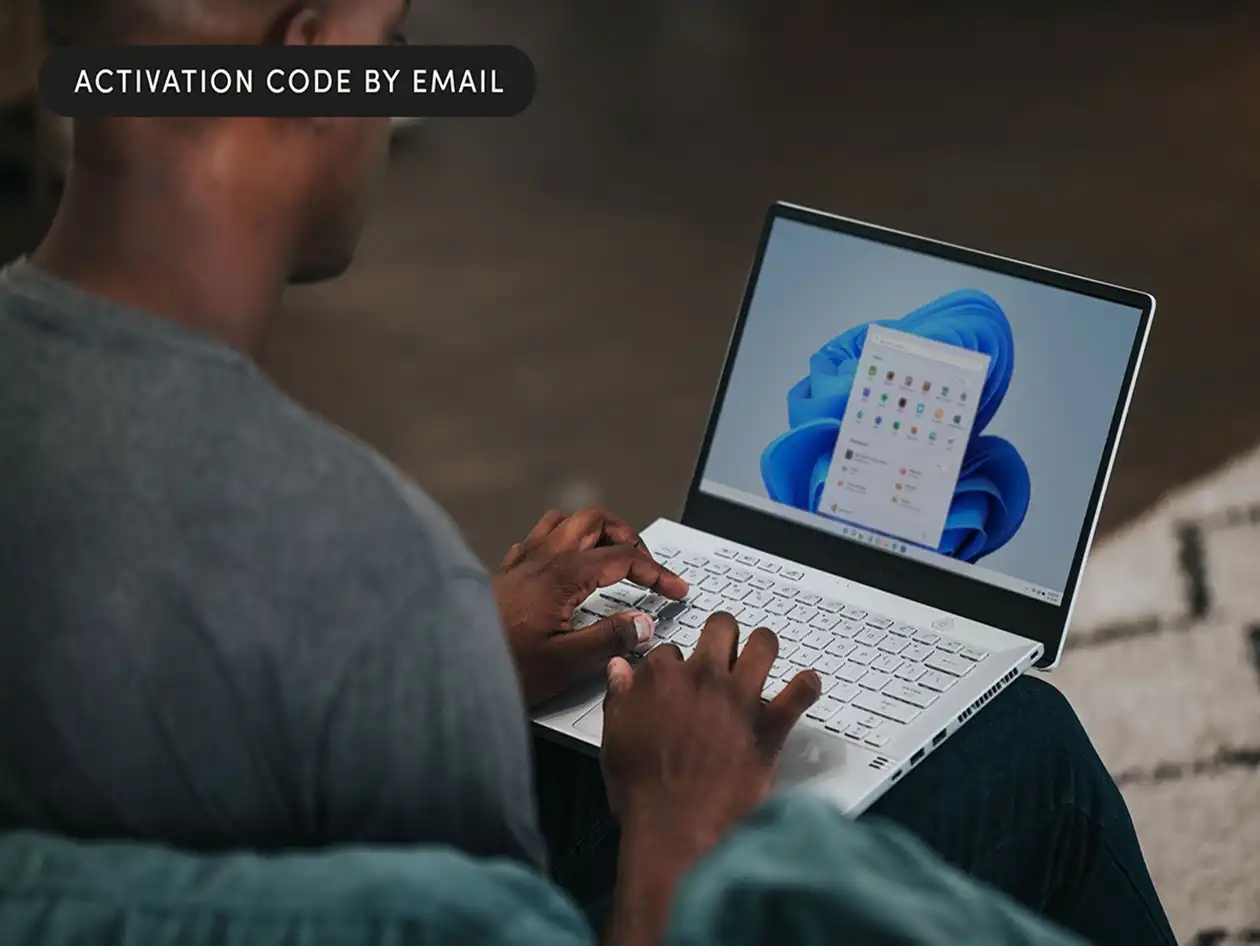
Admins must ensure each machine passes a hardware validation check before the $10 license activates. IT policies may restrict certain features if legacy drivers lack support, and the program does not include newer Windows 11 Pro editions or advanced security tools like Defender for Endpoint.
Long-Term Viability
The upgrade’s value is most apparent in workloads that leverage Windows 11 Pro’s multitasking capabilities. While basic office tasks may see minimal benefit, users in creative or analytical fields could experience significant productivity gains. However, legacy hardware limitations—such as thermal and power constraints—will still impact real-world performance compared to a fresh build.
Currently, the program is limited to PCs built before 2018. If adoption increases, Microsoft may expand eligibility, but this depends on manufacturers certifying older chips for Windows 11 Pro compatibility. For now, organizations should view this as a temporary solution rather than a long-term strategy.