The Ploopy Bean is not just another pointing stick; it’s a milestone in the evolution of precision input devices. For small businesses and power users, this new device from Ploopy offers a level of customization and responsiveness that could reshape upgrade decisions. Its magnetic sensor, capable of tracking movement 20,000 times per minute, and its four programmable buttons—each with a 20-million-click lifespan—set a new benchmark for durability and adaptability.
What makes the Ploopy Bean stand out is its blend of high-end performance and open-source flexibility. Unlike traditional pointing sticks, which often lack programmability, the Bean allows users to tailor its behavior through QMK firmware or VIA, catering to those who need bespoke input solutions. This level of customization was previously reserved for niche hardware like mechanical keyboards, but now it extends to pointing devices, potentially influencing how businesses evaluate their peripheral upgrades.
Key Specifications
- Sensor: Texas Instruments TMAG5273 magnetic sensor (20,000 readings per minute)
- Buttons: Four programmable Omron D2LS-21 switches (20 million clicks rated)
- Motion Range: Up to 11 mm in each axis
- Compatibility: ThinkPad TrackPoint users, VIA/QMK customization support
- Price: $52 (pre-order)
The Bean’s magnetic sensor is a critical component, offering a resolution that far exceeds traditional optical or mechanical pointing sticks. This translates to smoother cursor control and faster response times—factors that matter deeply in productivity-driven environments like small businesses or creative workflows. The four programmable buttons add another layer of utility, allowing users to map functions like scrolling, zooming, or even application shortcuts directly to the device.
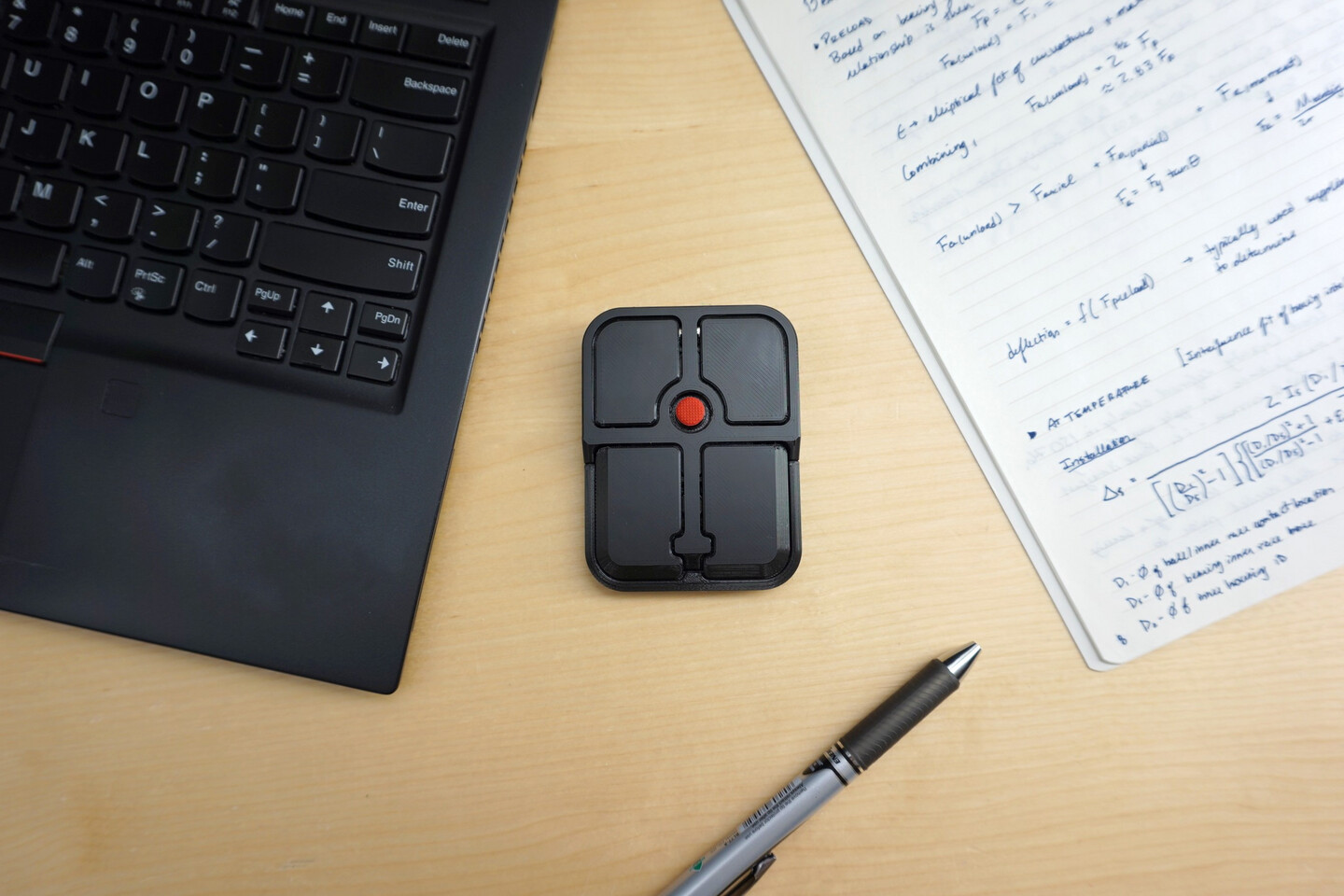
For businesses considering upgrades, the Ploopy Bean introduces a new variable: customization depth. The ability to tweak firmware or use VIA means that this isn’t just a hardware purchase; it’s an investment in adaptability. However, the lack of confirmed availability beyond pre-order adds a layer of uncertainty for those looking to integrate it immediately.
Market Implications
The Bean’s open-source approach—with all 3D models, CAD files, and firmware available—aligns with a growing trend in tech where users prioritize transparency and control. This could accelerate adoption among businesses that value both performance and the ability to modify hardware to fit specific needs. Yet, its niche positioning might limit broader market penetration unless competitors follow suit.
The real question for buyers isn’t just whether the Ploopy Bean is worth $52, but whether it signals a shift toward more modular, user-defined peripherals. If so, businesses may need to reconsider their upgrade cycles, balancing immediate needs with long-term flexibility. For now, the Bean remains a specialist tool, but its potential to redefine pointing devices could make it a critical component in future workflows.
As for where things stand: the Ploopy Bean is available in pre-order at $52, with full DIY support for those who want to build or modify their own. Its impact on the market remains to be seen, but its arrival suggests that precision input devices are entering a new phase—one where customization and responsiveness take center stage.