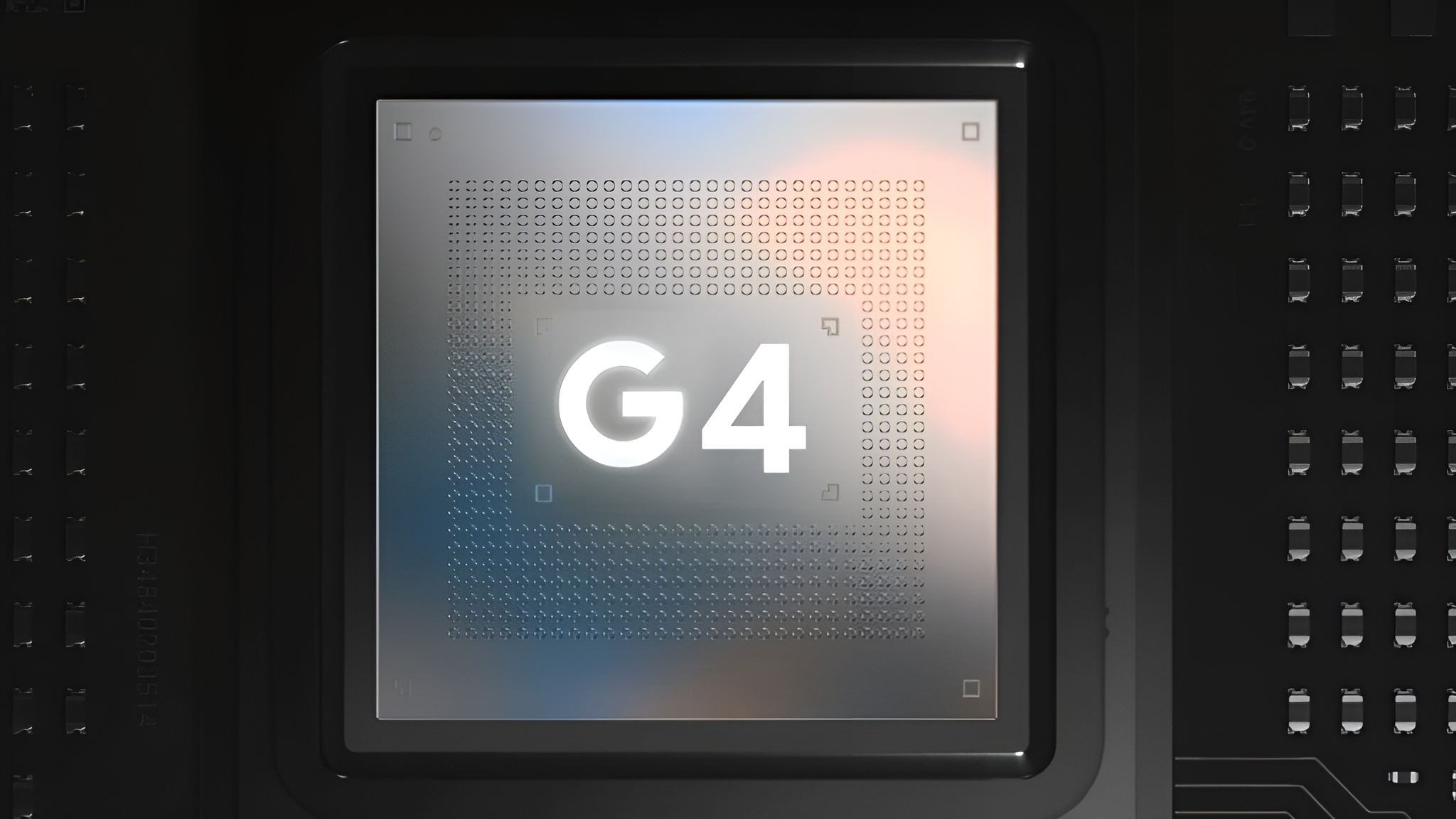
Google has made a bold move with its newest mid-range phone, the Pixel 10a. While most manufacturers reserve their latest chips for flagship models, Google has chosen to equip the Pixel 10a with the Tensor G4—a processor first introduced in the Pixel 9 series. On the surface, this seems like a step backward, but the decision is rooted in hard financial logic and a pragmatic approach to hardware development.
The Tensor G5, introduced alongside the Pixel 9 Pro, came with its own set of challenges, including early-stage throttling issues and driver instability. While updates have since improved reliability, the G5’s development costs and production complexities likely made it a less attractive option for a budget-focused device like the Pixel 10a.
Cost is the driving force behind this decision. Industry estimates suggest the Tensor G4 accounted for roughly 30% of the Pixel 9a’s total bill of materials, translating to an estimated cost of around $119 per unit. However, by the time the Pixel 10a enters production, much of the Tensor G4’s development and manufacturing expenses—particularly those tied to research, photomasking, and early wafer production—have already been absorbed by the Pixel 9 series. What remains are marginal costs for wafer fabrication and packaging, which now sit between just $4 and $10 per chip.
This isn’t the first time a major manufacturer has taken this approach. Apple has long used older-generation chips in its budget iPhones, such as the A15 in the iPhone SE (3rd generation). Google’s strategy mirrors this playbook, ensuring that the Pixel 10a remains competitively priced without sacrificing core functionality.
The savings don’t stop at the chip. Additional cost reductions come from the display, camera sensors, and materials. For instance, the Pixel 10a’s 120Hz OLED panel, while still premium, likely carries a lower price tag than a Pro-model equivalent. The 48MP main camera and 13MP ultrawide lens, while capable, are also optimized for cost efficiency without compromising image quality for everyday use.
So who benefits from this approach? Consumers gain access to a feature-rich smartphone—including Google’s best-in-class camera software, 120Hz display, and Tensor AI capabilities—at a fraction of the cost of a flagship. The tradeoff is performance; the Tensor G4 won’t match the raw power of the Tensor G5, but for most users, the difference in daily tasks is negligible. Google’s focus remains on delivering a polished, software-driven experience rather than pushing hardware limits.
The Pixel 10a isn’t just a relic of the past—it’s a smart financial maneuver that allows Google to offer a compelling mid-range device without the usual premium pricing. In an era where smartphone costs are rising, this strategy could set a new standard for how budget and mid-range phones are built.
The Pixel 10a is expected to start at $400, positioning it as a direct competitor to other Android mid-range phones while offering Google’s signature software enhancements.