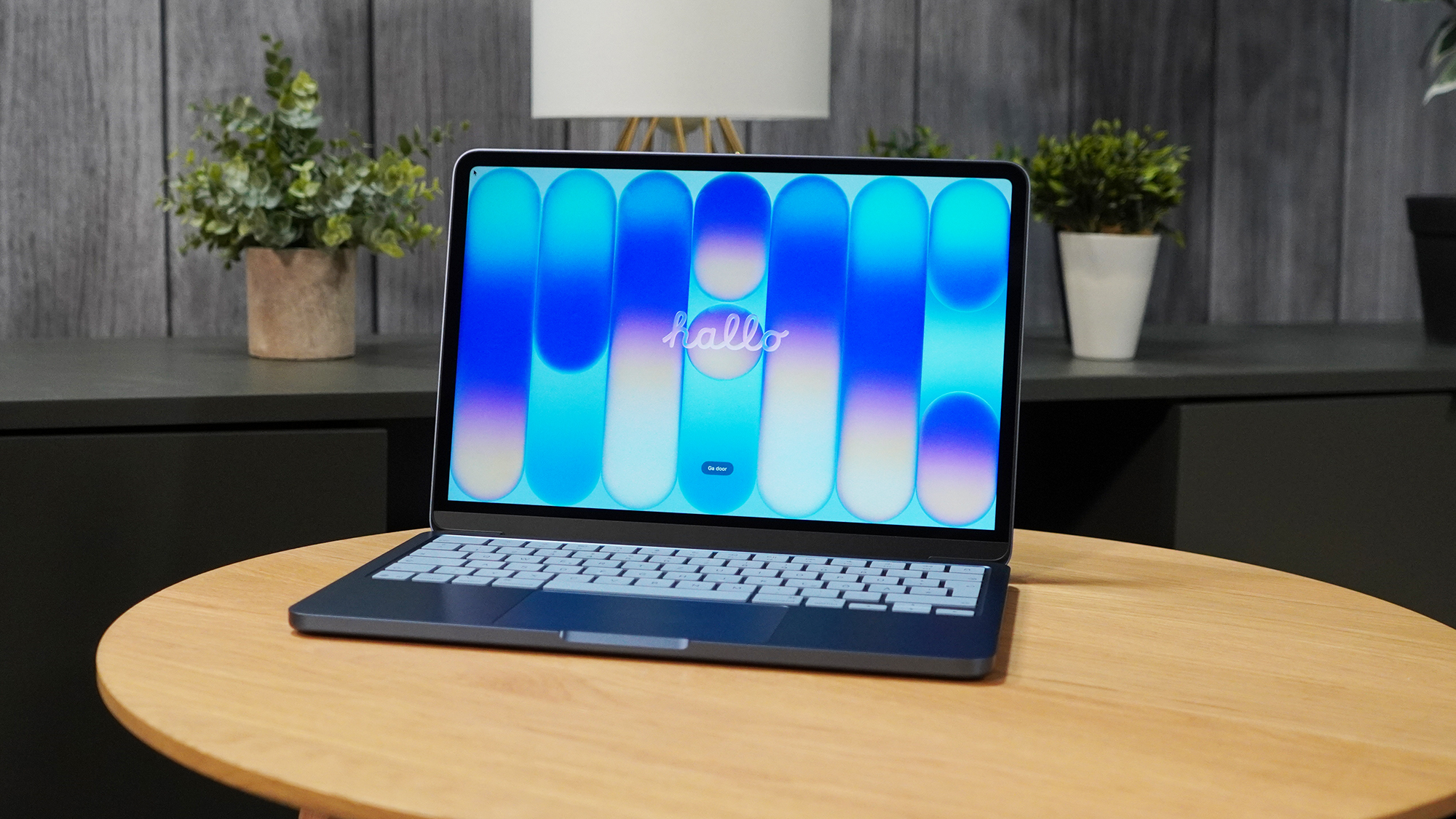
Intel’s latest reference design for Wildcat Lake laptops represents a deliberate departure from the trade-offs that have defined thin-and-light computing. By adopting an all-aluminum monocoque structure, the laptop eliminates the need for plastic or composite materials, which have historically been used to achieve lightweight profiles at the cost of rigidity and durability. The result is a device that combines Apple-like precision with the processing power of Intel’s 14th-generation Core processors, offering a tangible improvement in both structural integrity and thermal efficiency.
The shift to aluminum isn’t merely cosmetic; it addresses functional limitations of previous generations. Aluminum’s superior thermal conductivity allows for more efficient heat dissipation, reducing the reliance on bulky cooling solutions that have traditionally increased thickness or weight. This is particularly evident in the vapor chamber cooling system integrated into the reference design—a feature previously confined to high-end gaming laptops and desktops. For a 14-inch ultraportable, this means sustained performance under load without the fan noise or thermal throttling that has plagued thinner models.
Performance and Connectivity: Balancing Power and Portability
The reference design’s focus on performance extends beyond materials. Wildcat Lake processors deliver up to 50% more energy-efficient uncore (EU) performance compared to the previous generation, a significant leap that addresses one of the key criticisms of Intel’s ultraportable offerings. However, this improvement comes with its own set of considerations. While the laptop supports 12th- and 13th-generation Intel Core processors in up to 24 W TDP configurations, real-world performance will depend on how OEMs implement power management and cooling solutions.
- Aluminum monocoque chassis with CNC-machined edges for rigidity and durability.
- Vapor chamber cooling with a dual-fan layout, reducing noise by up to 3 dB under load.
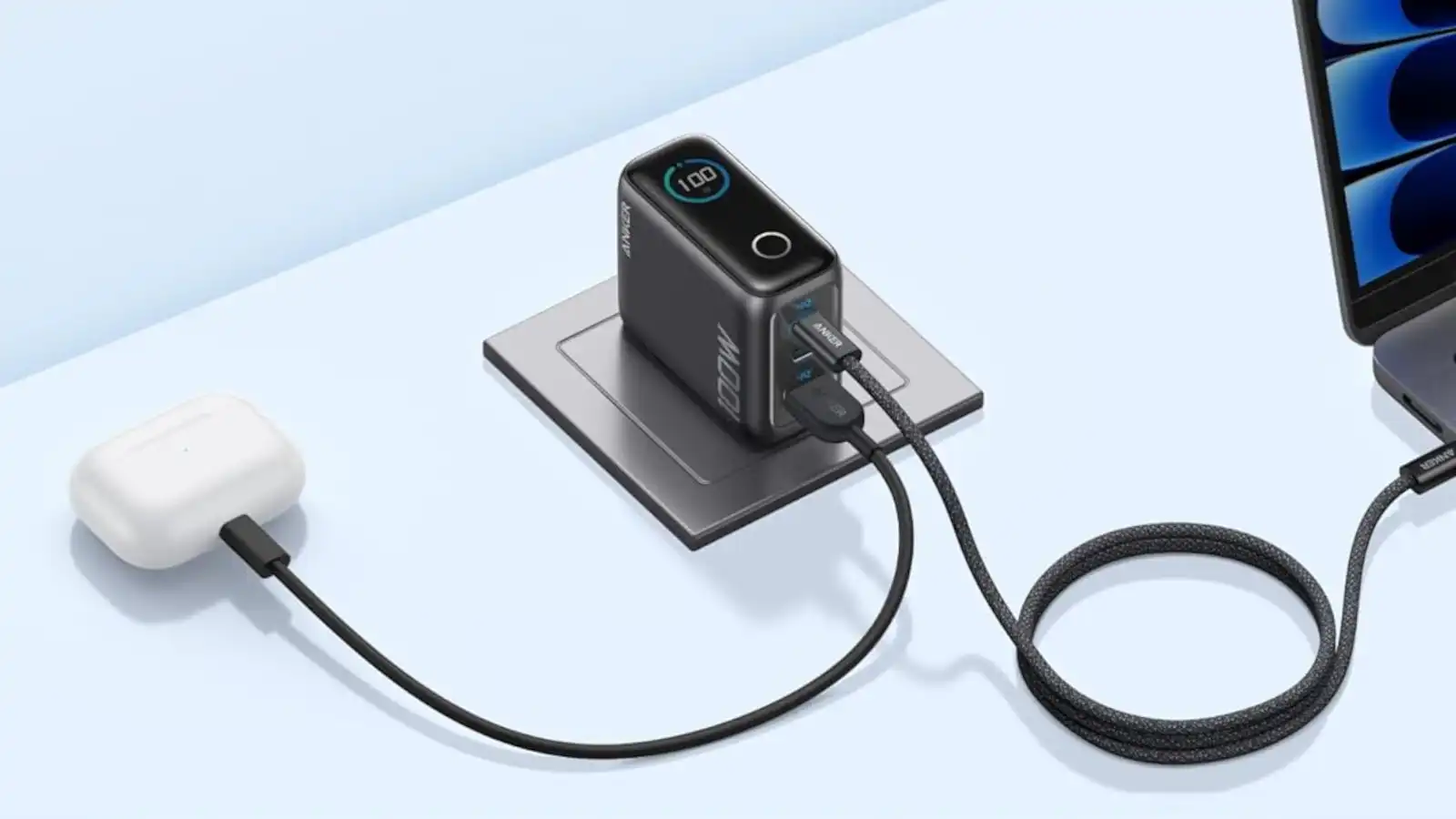
- Standard Thunderbolt 4 and USB4 support, streamlining connectivity while requiring dongles for HDMI or legacy USB ports.
The reference design also introduces subtle but meaningful upgrades in connectivity. By standardizing Thunderbolt 4 and USB4, Intel ensures compatibility with modern peripherals and docks without sacrificing portability. The absence of HDMI or legacy USB ports reflects a deliberate trend toward streamlining, though it may require users to adapt by using dongles for those use cases—a compromise that mirrors high-end ultraportables like Apple’s MacBook Air.

Battery Life and Market Adoption: Unresolved Challenges
Despite the improvements in design and thermal management, battery life remains a significant challenge. Early benchmarks suggest that the Wildcat Lake reference laptop aligns with current-generation ultrabooks, offering around 8–10 hours of light workload usage. However, real-world performance will vary depending on power management tweaks and user behavior, leaving this as an unresolved question for potential adopters.
Market adoption is another critical factor. The lack of an official launch date or pricing means this remains a reference design rather than a retail product, meaning OEMs will dictate how much of this architecture trickles down to consumer models. If OEMs embrace the reference design en masse, we could see a wave of laptops that offer the performance of Intel’s latest chips without the bulk or heat issues that have historically held them back. However, whether this becomes a mainstream shift remains to be seen.
Looking Ahead: The Future of Thin-and-Light Computing
The Wildcat Lake reference design is more than just an incremental update; it’s a blueprint for how thin-and-light laptops could evolve in the future. By addressing longstanding limitations in materials, thermal management, and connectivity, Intel has outlined what that transition could look like. The most immediate beneficiaries will likely be businesses and professionals who demand both power and portability—groups that have long tolerated trade-offs in ultraportables.
For now, the focus is on whether this design can displace the status quo set by Apple’s MacBook Air. If Intel succeeds, it could redefine expectations for thin-and-light computing, offering a balance of performance, durability, and portability that has been elusive for years. The next steps will be determined by how OEMs interpret and implement this reference, as well as how users adapt to the streamlined connectivity options.
The Wildcat Lake laptop is not just a product; it’s a statement about the future of ultraportable design. Whether it lives up to that promise remains to be seen, but Intel has at least outlined what that future could look like.