The global shortage of DDR5 and DDR4 memory has left consumers scrambling for alternatives, with some pinning hopes on Chinese firms like CXMT and YMTC to undercut prices. Yet the reality is far more complicated: technical limitations, geopolitical restrictions, and fundamental cost inefficiencies mean these suppliers won’t solve the crisis—no matter how desperate the demand.
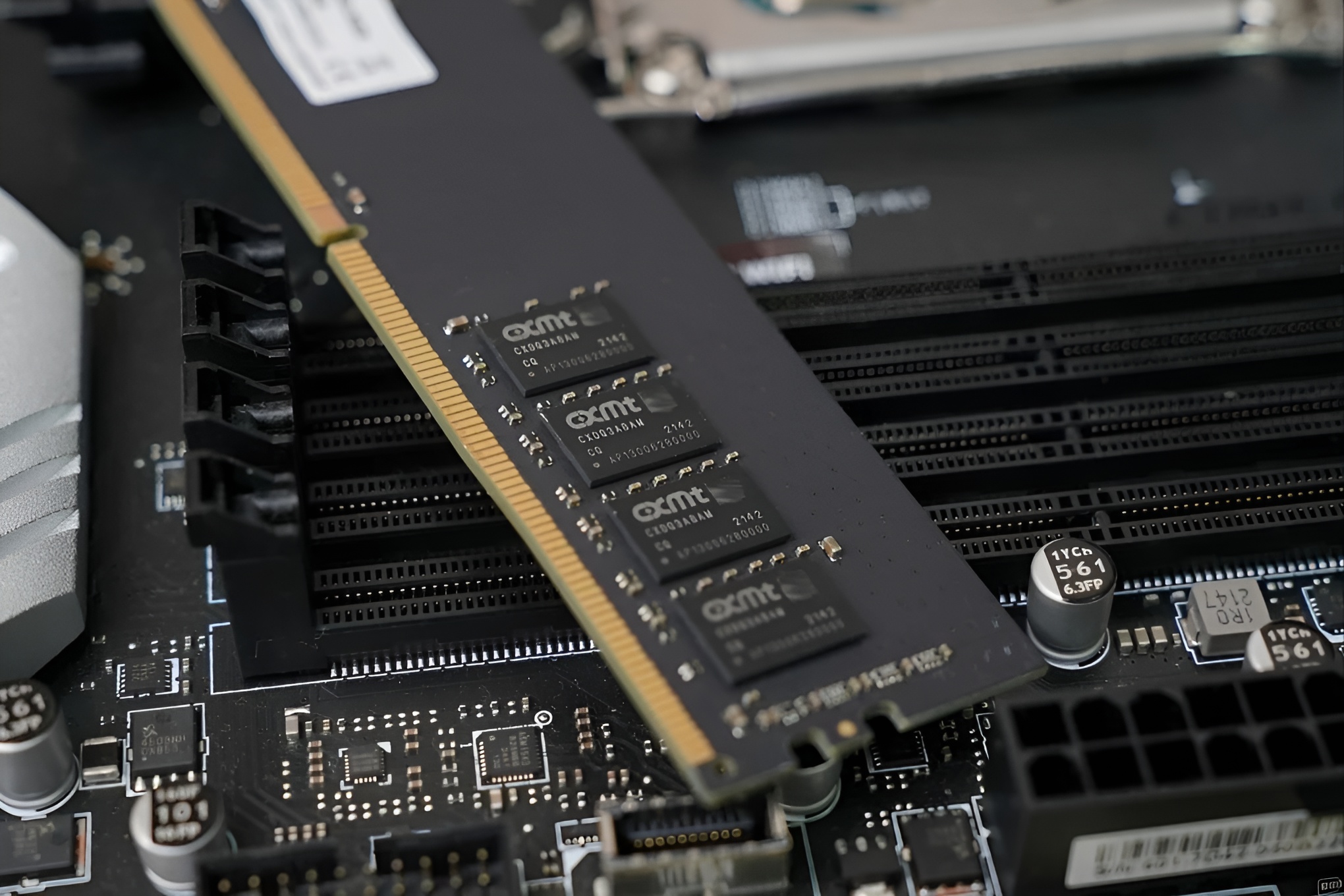
At the heart of the problem is a mismatch between ambition and capability. CXMT, for instance, has managed to produce DDR5 modules without access to EUV lithography—the industry standard for advanced memory chips—by relying on workarounds like SAQP (Self-Aligned Quad Patterning) and aggressive binning. These methods allow the company to achieve speeds up to 8,000 MT/s, but at a steep trade-off: larger die sizes (40-50% bigger than competitors like SK Hynix) and higher operating temperatures. Fewer chips per wafer translate to higher per-unit costs, and the lack of proven reliability in real-world applications—from gaming PCs to mobile GPUs—means even major OEMs like Dell or HP won’t adopt CXMT’s modules without extensive testing.
Then there’s the question of scale. CXMT’s current production capacity is barely enough to meet domestic Chinese demand. Expanding globally would require massive investments in manufacturing, quality control, and partnerships with hardware vendors—none of which are guaranteed. Meanwhile, YMTC, though better known for NAND flash, is entering the DRAM market with similar challenges. Despite reports of aggressive expansion, there’s no evidence of underpriced modules hitting retail shelves. Instead, pricing for both firms is converging with Korean competitors, undermining the assumption that Chinese suppliers will offer a lifeline for cash-strapped buyers.
Regulatory and Logistical Roadblocks
The U.S. market, in particular, presents an insurmountable obstacle. YMTC has been on the U.S. Entity List since 2022 over alleged ties to Huawei and military applications, effectively banning its products from American supply chains. CXMT, though not listed, faces restrictions under Section 1260H of the Defense Authorization Act, which prohibits the use of its chips in critical infrastructure. Even if Chinese firms could undercut prices, the risk of regulatory intervention—combined with decades of distrust in Chinese tech—makes large-scale adoption politically toxic.
For gamers and businesses alike, the outlook remains bleak. DDR4 prices are now rising faster than DDR5, as buyers desperate for any DRAM at all drive up costs. The shortage isn’t just a temporary glitch; it’s a structural issue tied to decades of over-reliance on a few suppliers, geopolitical fragmentation, and the sheer complexity of scaling next-gen memory production. Until that changes, the idea of Chinese manufacturers swooping in as saviors is little more than wishful thinking.
What’s Next?
- No immediate relief: Chinese suppliers lack the capacity, reliability, and regulatory clearance to fill the gap.
- Prices will stay elevated: With no new major players entering the market, shortages will persist, pushing costs higher.
- Long-term solutions require investment in EUV lithography and diversified supply chains—not quick fixes from emerging manufacturers.
- Consumers should brace for continued scarcity, especially for high-capacity modules.
The memory crunch isn’t going away. The question isn’t whether Chinese firms can help—it’s whether anyone can, given the constraints of today’s supply chain.