For years, Baldur’s Gate 3 thrived on a radical idea: the story wasn’t just yours to play—it was yours to rewrite. Every decision, every alliance, every brutal choice reshaped the world in ways even the developers couldn’t predict. Now, that same world is being repurposed for a TV show, and the tension between player-driven chaos and a fixed, broadcast narrative has left hardcore fans unsettled.
The announcement of an HBO adaptation—one that will inevitably lock the game’s characters into a single, canonical path—feels like a violation of the RPG’s core ethos. Unlike linear games or films, BG3 wasn’t designed for a single interpretation. It was built for a million interpretations, each as valid as the next. The show, by contrast, will force a single version of history onto a universe where history was never meant to be fixed.
Take, for example, the ending of a typical playthrough. In one run, a half-drow bard might lead a desperate charge against the Absolute, sacrificing themselves to save the party. In another, that same character could have been a villain all along, orchestrating the massacre of tiefling refugees. The game doesn’t care which version is true—because the truth was never the point. The show, however, will have to pick one.
- A TV adaptation risks imposing a single narrative on a game built for infinite player-driven stories.
- Larian Studios’ involvement may soften the blow, but the project still feels like a corporate co-opting of fan creativity.
- Past adaptations (like Fallout) succeeded by sidestepping game lore—this one won’t have that luxury.
- Fans are divided: some see potential for great storytelling, others fear a hollowed-out corporate product.
The concern isn’t just about accuracy—it’s about ownership. When Larian Studios released BG3, they didn’t just hand players a game; they handed them a world to mold. The show’s scripted nature means that world is now being repackaged, repurposed, and—worst of all—restricted. Even the game’s default protagonist name, Rolland, was inspired by Swen Vincke’s late dog, Gustav, a detail that makes the characters feel like extensions of the studio’s own legacy. Now, that legacy is being outsourced to a studio that doesn’t share the same creative philosophy.
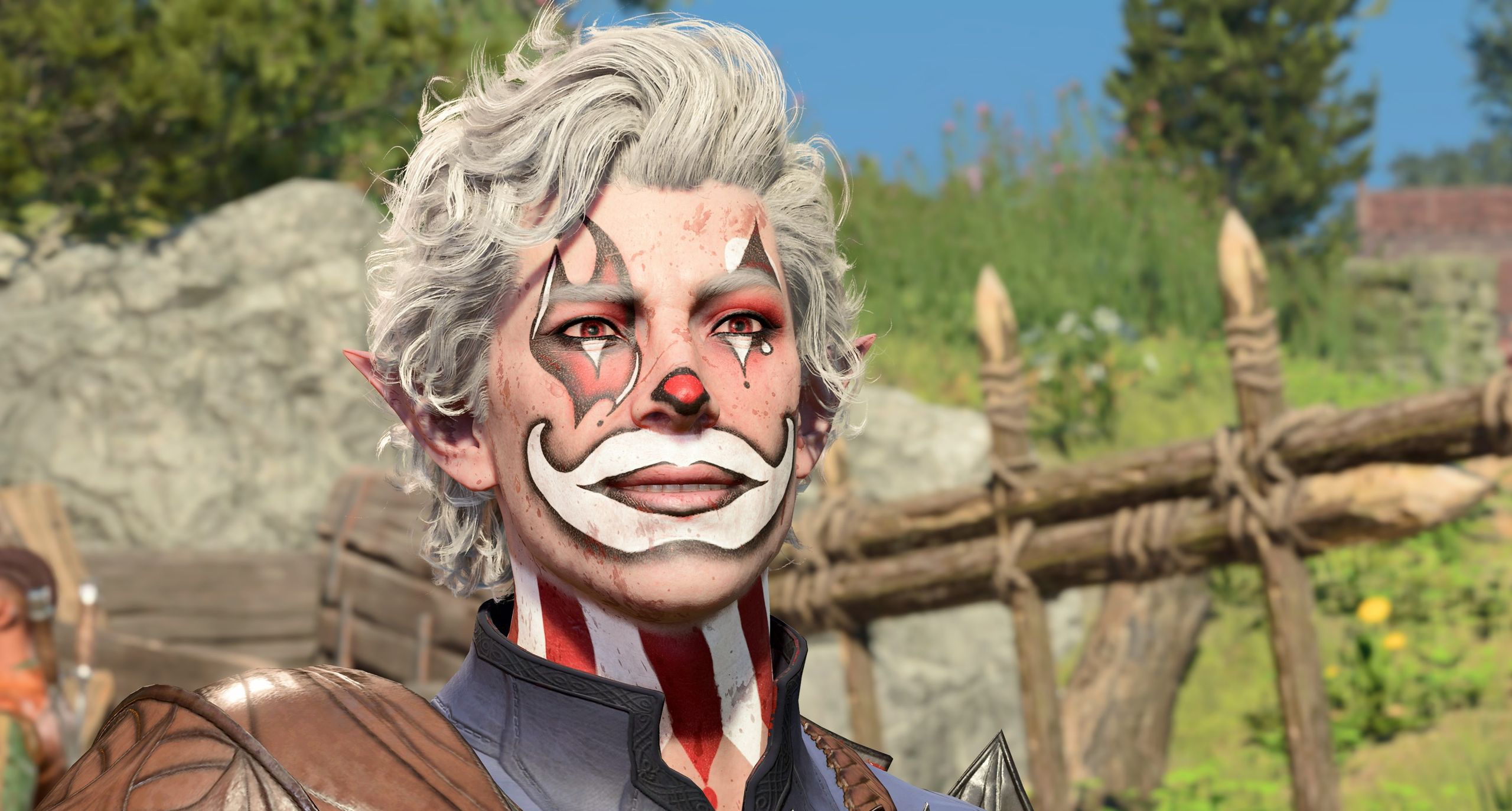
There’s a reason Amazon’s Fallout adaptation worked better than it had any right to: it avoided direct conflicts with game lore, focusing instead on a period and characters entirely outside the player’s experience. BG3, by contrast, is impossible to adapt that way. The show will have to engage with the game’s core characters—Astarion, Shadowheart, Lae’zel, and the rest—meaning their backstories, relationships, and even their fates will be dictated by writers who’ve never sat at a table with a DM, never rolled a d20, and have no stake in the game’s player-driven soul.
Larian’s lead writer, Adam Smith, reportedly felt uneasy about losing control over the characters he spent years crafting. Now, fans are feeling that same unease. The game’s publishing lead, Michael Douse, put it bluntly: I genuinely don’t think anyone can trump our writers. That sentiment resonates deeply. BG3 wasn’t just a game—it was a collaborative act of creation between Larian and its players. A TV show, no matter how well-intentioned, can’t replicate that.
That said, the project isn’t doomed. Craig Mazin—creator of Chernobyl and The Last of Us—is attached, and Larian will likely retain some creative oversight. Mazin’s ability to balance emotional weight with narrative coherence is undeniable, and if anyone can make the adaptation feel earned, it’s him. But even with his involvement, the fundamental problem remains: a TV show can’t be a sandbox. It can’t let players decide whether Astarion lives or dies, whether Lae’zel’s redemption is genuine or performative. It can’t let you choose to betray your companions or forge a dark pact with a demon lord.
The real tragedy isn’t that the show might fail—it’s that it might succeed in a way that feels wrong. A polished, well-acted adaptation could still feel like a betrayal because it would be too polished, too controlled, too far removed from the messy, unpredictable joy of playing the game itself. BG3 wasn’t just a story—it was a process, and that process is what made it special.
For now, the only certainty is that the show will happen. Whether it will feel like a continuation or a corporate repackaging remains to be seen. One thing is clear: fans who fell in love with Baldur’s Gate 3 for its freedom may struggle to reconcile that love with a medium that demands rigidity. The game gave players godlike power. A TV show can’t.