It’s a pattern that has now played out across multiple conflicts: a military simulation, meticulously crafted for training exercises, is repurposed as authentic combat footage. The result? A cycle of misinformation that blurs the boundaries between digital recreation and lived experience.
The latest instance involves Arma 3, a tactical simulation developed by Bohemia Interactive. Originally designed to replicate real-world military operations with precision, its gameplay has been shared online as if it were genuine footage from recent airstrikes in the Middle East. The confusion stems not just from the game’s hyper-realistic visuals but also from the speed at which such content spreads—often without verification.
Key specs of Arma 3 that contribute to its realism include
- Engine: Arma 3 engine (based on the VBS3 framework)
- Platforms: PC, PlayStation 4, Xbox One
- Release Date: September 12, 2013
- Genre: Military simulation / Tactical shooter
- Setting: Fictional Eastern European nation of Stratis (inspired by real-world geography and military assets)
- Realism Features:
- Detailed vehicle physics, including realistic damage models for tanks and aircraft
- Procedurally generated environments with accurate terrain and weather systems
- Advanced AI behavior for both friendly and enemy units
- Customizable loadouts and equipment, including authentic military gear
- Performance Requirements:
- Minimum: 4GB RAM, NVIDIA GTX 660 / AMD Radeon HD 7850
- Recommended: 8GB+ RAM, modern GPU (e.g., NVIDIA RTX 2060 or equivalent)
The game’s ability to mimic real-world scenarios—down to the behavior of military units and environmental conditions—has made it a staple in training simulations. Yet this same realism is now being weaponized, with clips from Arma 3 surfacing as purported evidence of ongoing conflicts. The stakes here are higher than mere misattribution; they involve the potential to shape public perception and even influence geopolitical narratives.
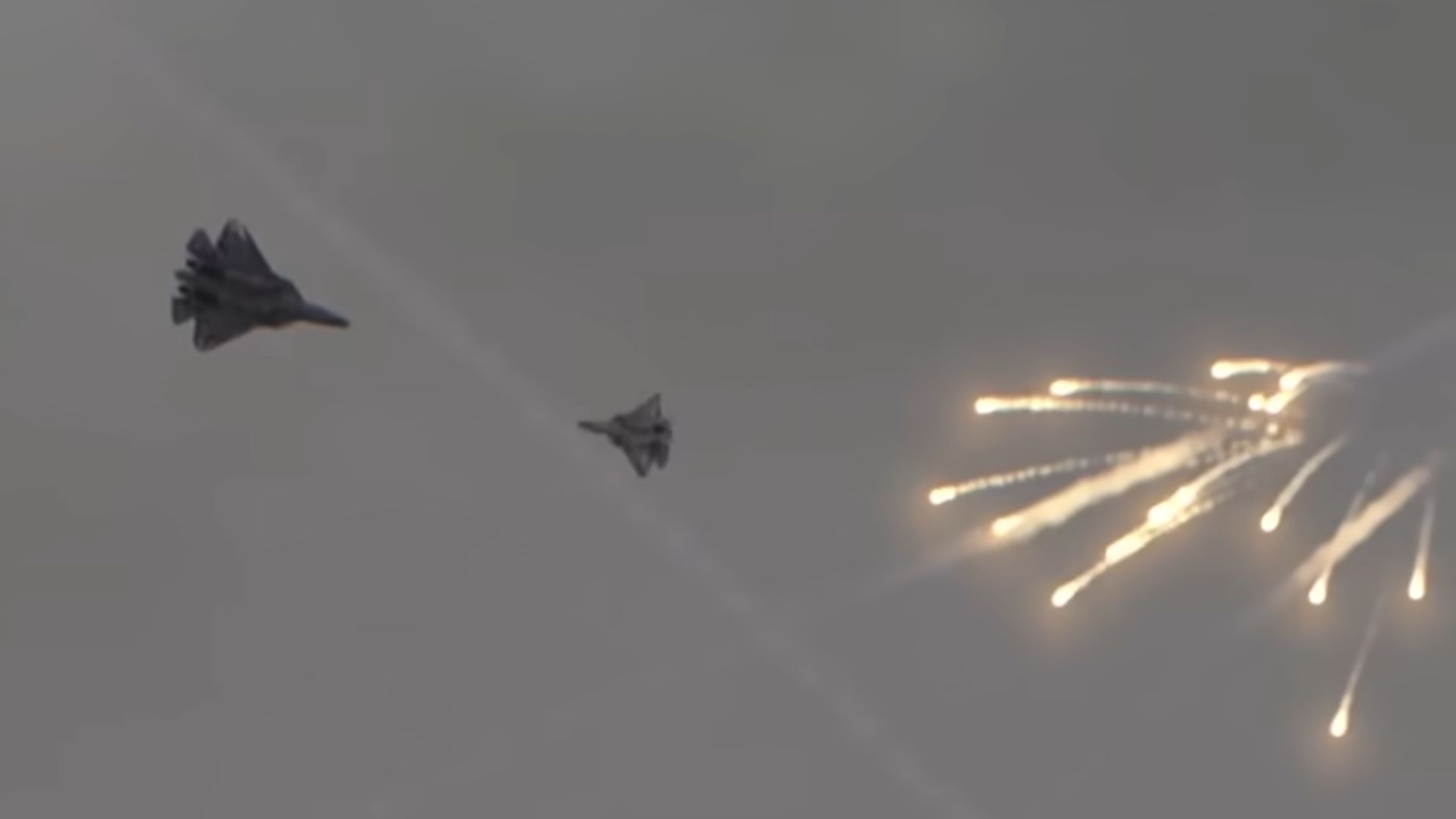
The catch? The game’s development team has long provided guidelines for distinguishing between simulated footage and real combat videos. These include
- Low-resolution or intentionally blurred footage, which is a hallmark of game recordings
- Unnatural camera shakes, often added post-hoc to mimic handheld filming
- Visible HUD elements, such as weapon counters or in-game messages, which betray their digital origins
- Unrealistic particle effects, like oddly separated smoke clouds or exaggerated explosions
- Inconsistencies in military assets, such as non-authentic insignia or anachronistic equipment
The problem isn’t limited to Arma 3. Similar misattributions have involved other military simulations like War Thunder, where gameplay has been presented as real footage during conflicts in Ukraine and Gaza. The rapid spread of such content—often amplified by accounts with significant followings—poses a risk not just to accuracy but to the trust in media itself.
For power users, the game’s depth lies in its attention to detail: from the physics of vehicle collisions to the nuanced behavior of AI-controlled units. Yet that same depth creates a new challenge for those who encounter such clips without context. The line between simulation and reality has never been thinner—and the consequences of crossing it are becoming increasingly apparent.
Where things stand now: Arma 3 remains a benchmark in military simulations, but its realism has also made it a target for misinformation. Without stricter verification processes, similar incidents will likely persist, blurring the distinction between training tools and real-world narratives even further.